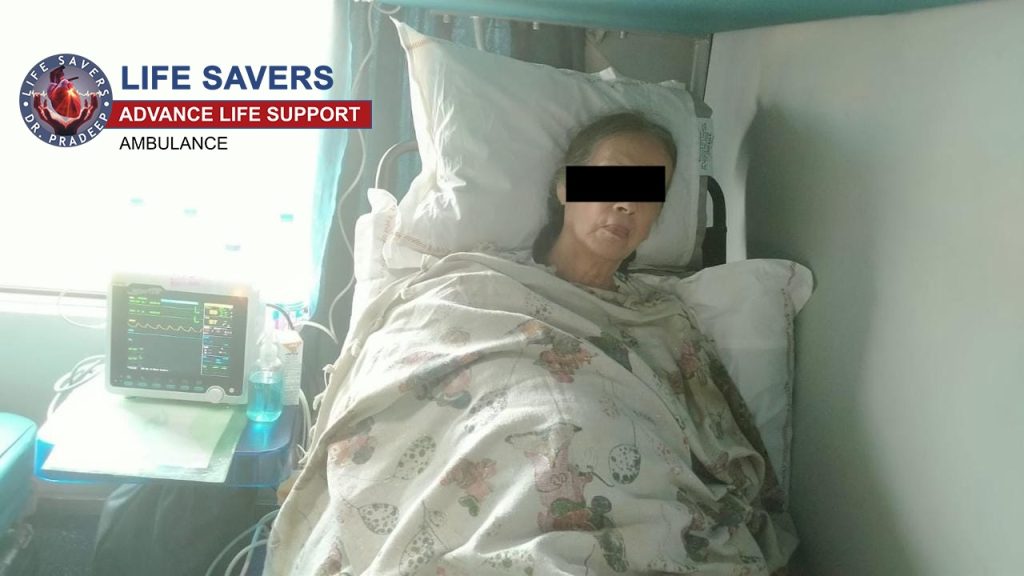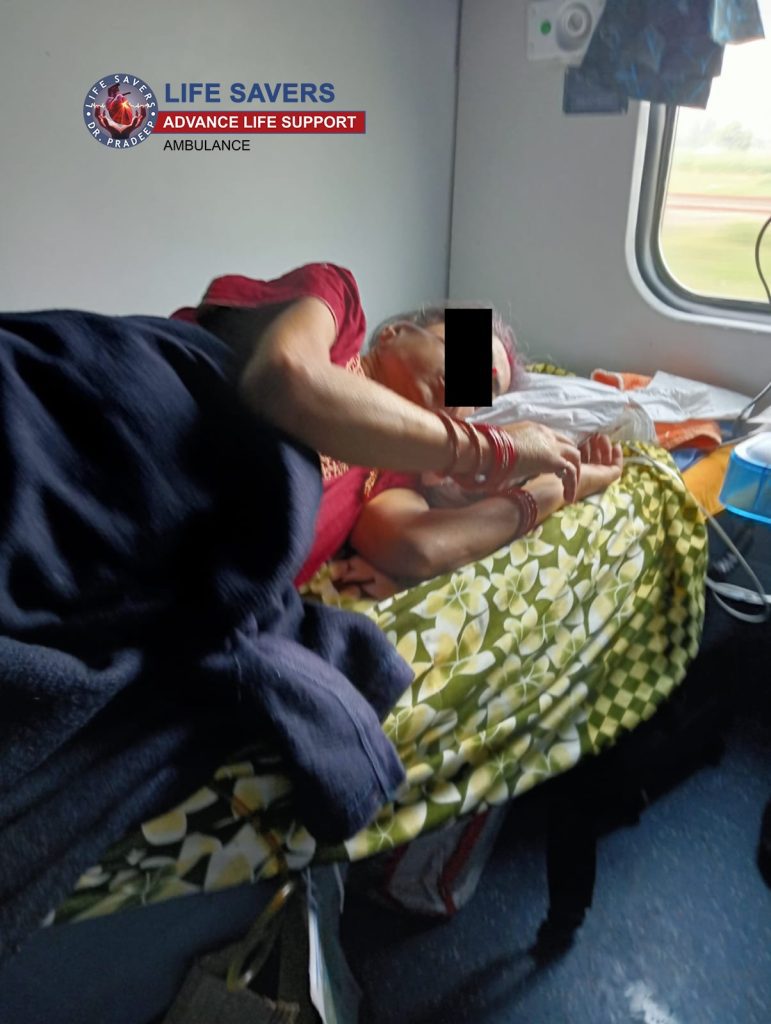
Rail Ambulance from Apollo Hospital Indraprastha, Delhi to Patna: Stroke Patient Transferred with Semi-ICU Setup and Oxygen Support
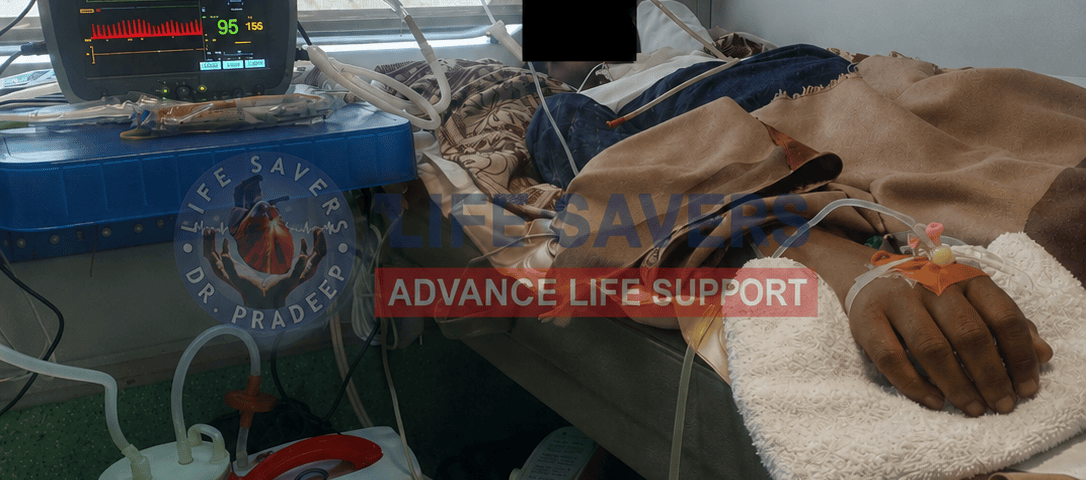
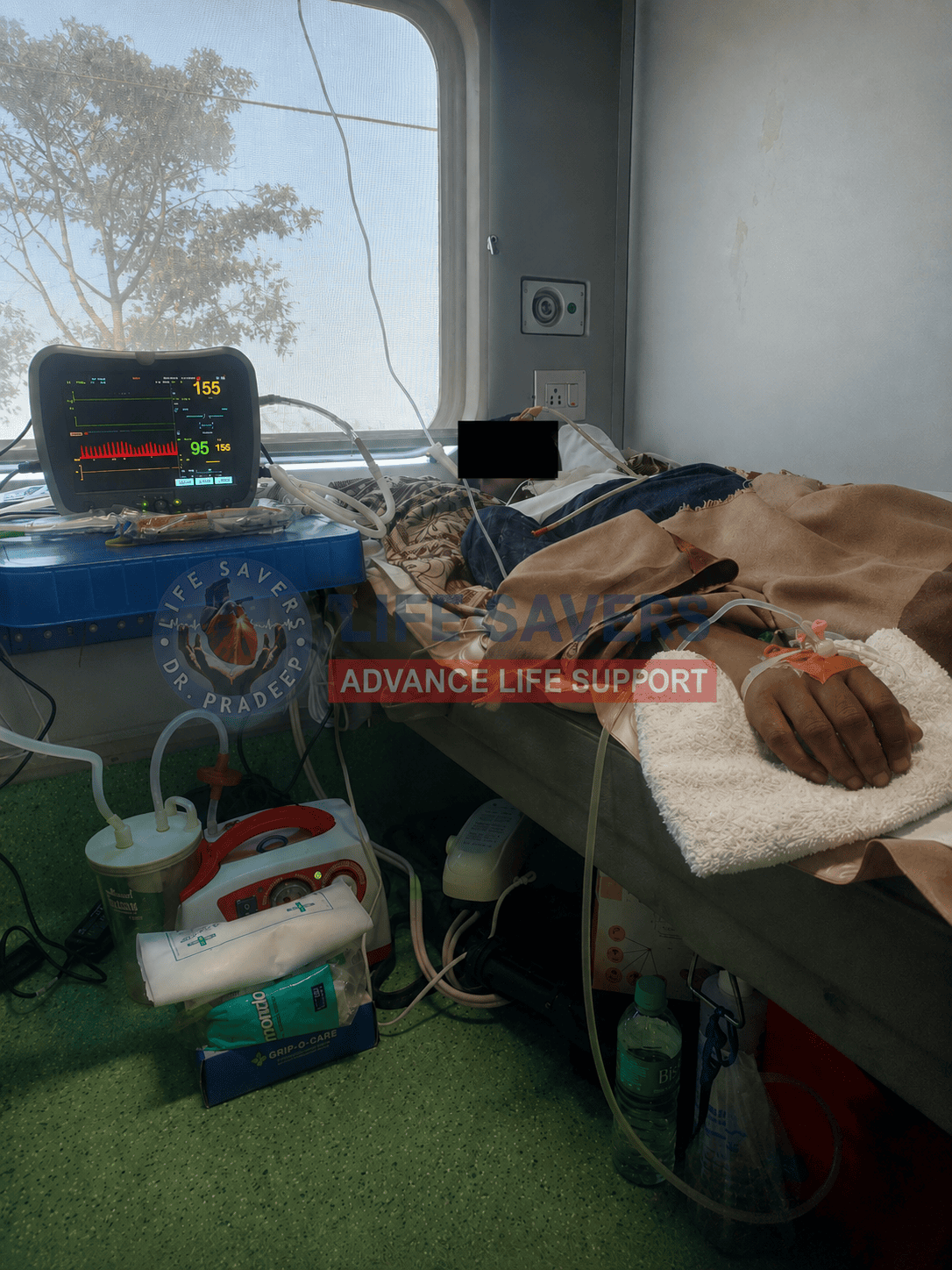
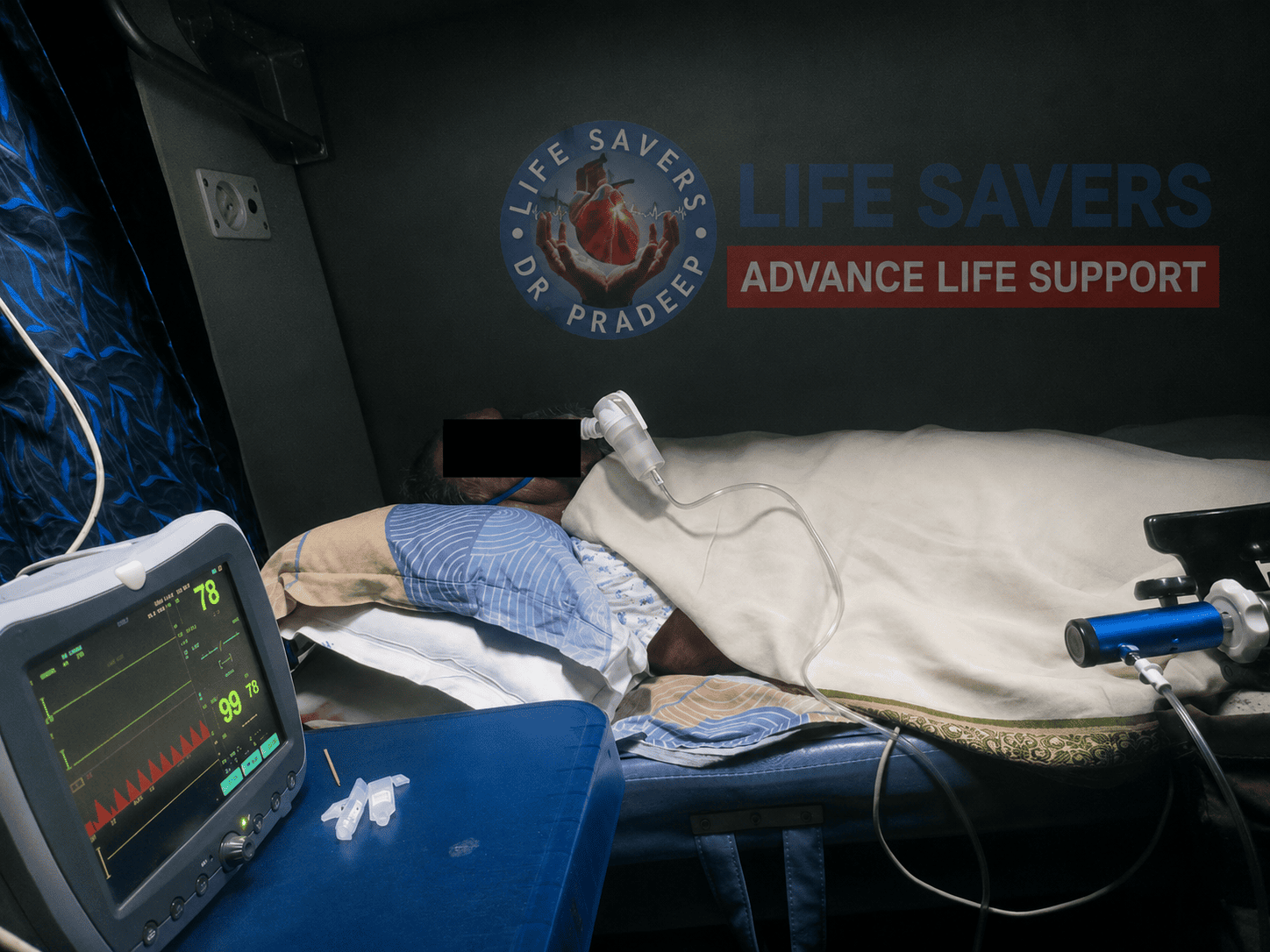
A 46-year-old male patient was admitted at Apollo Hospital Indraprastha in Delhi following an acute stroke. After initial stabilisation and treatment, the medical team cleared him for transfer closer to home in Patna, where his family could manage long-term rehabilitation without the financial strain of an extended stay in a Delhi private hospital. The challenge was that he was still on 2-litre oxygen support, needed continuous monitoring, and could not travel in any ordinary vehicle or passenger train arrangement.
His family called Life Savers Ambulance to arrange a rail ambulance from Delhi to Patna with a semi-ICU setup onboard.
Why the Family Chose Rail Ambulance Over Road or Air
This is a question every family in this situation asks, and the answer is different depending on the patient's condition.
For this 46-year-old stroke patient, air ambulance was the fastest option but also the most expensive. Delhi to Patna is roughly 1,000 kilometres, and chartering an air ambulance for that distance can cost several lakhs. The family had already absorbed weeks of private hospital bills at Apollo Indraprastha. Air was not financially viable.
Road ambulance was the other option, and on paper the Delhi to Patna route via NH 19 and NH 31 takes about 14 to 16 hours. In reality, with Indian highway conditions, toll stops, fuel breaks, and the unavoidable rough patches through Bihar, a road journey of that length puts a recovering stroke patient through sustained vibration and jarring movement. For someone on oxygen support with a recent neurological event, that level of physical stress is not a minor concern. It can trigger blood pressure spikes, increase intracranial pressure, and set back recovery.
Rail ambulance offered the middle ground. The Delhi to Patna rail corridor is well-connected, with multiple Rajdhani and superfast trains covering the route in 12 to 15 hours. The ride is smoother, the climate-controlled coupe provides a stable environment, and there is enough space inside a first-class AC coupe to set up a proper semi-ICU configuration. For a patient who was stable but still medically dependent, this was the safest and most practical choice.
What a Semi-ICU Rail Ambulance Setup Actually Looks Like
Most families have never seen a rail ambulance setup, so when they hear "semi-ICU on a train," it sounds improvised. It is not.
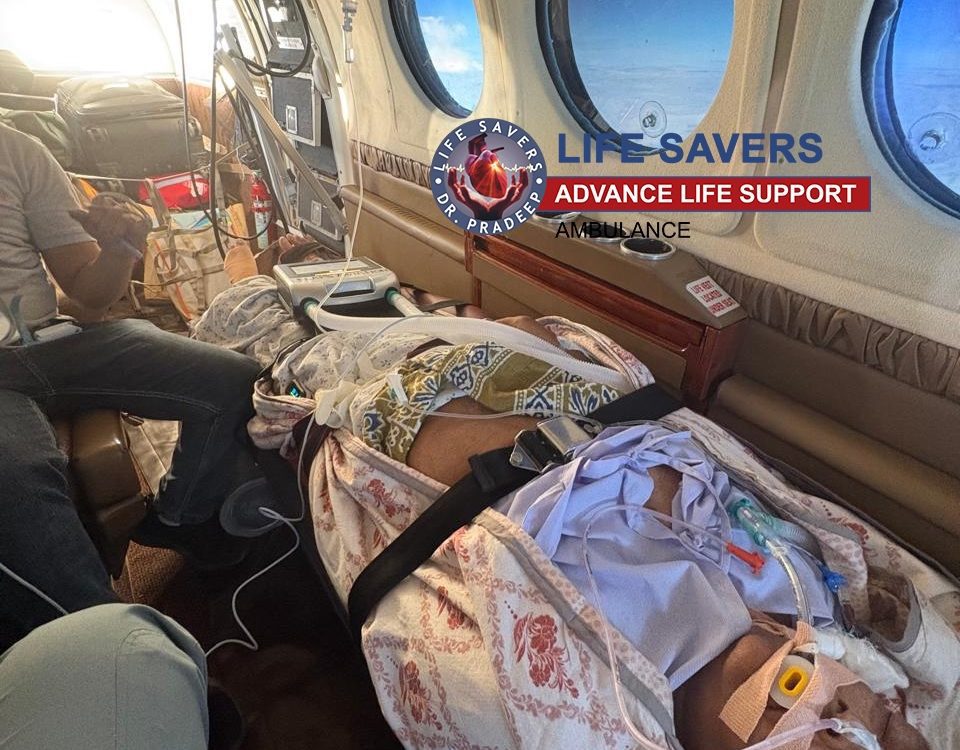
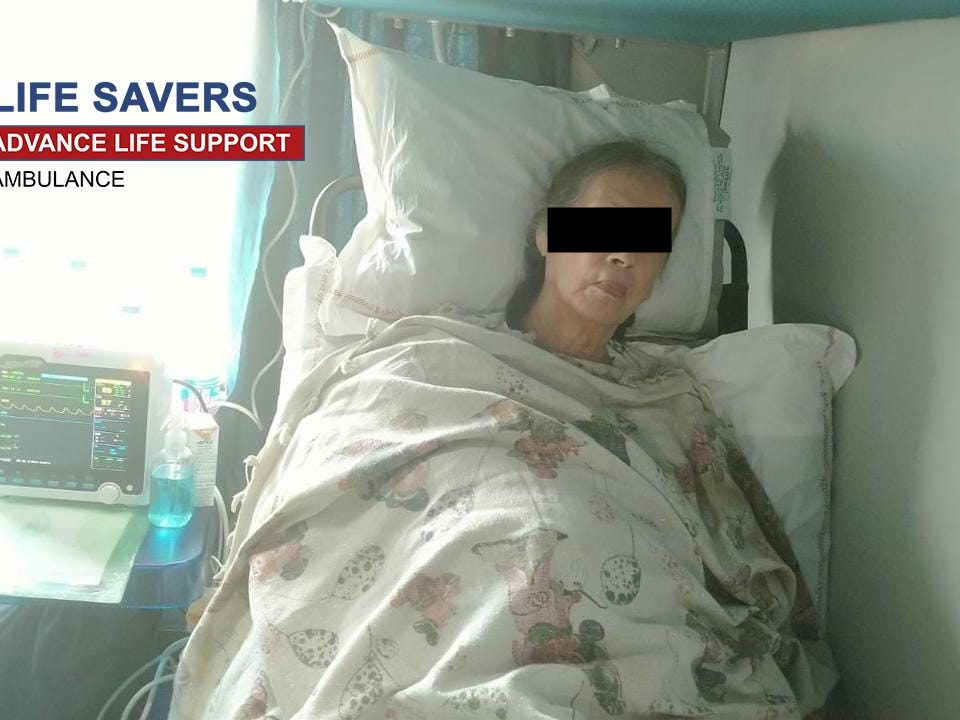
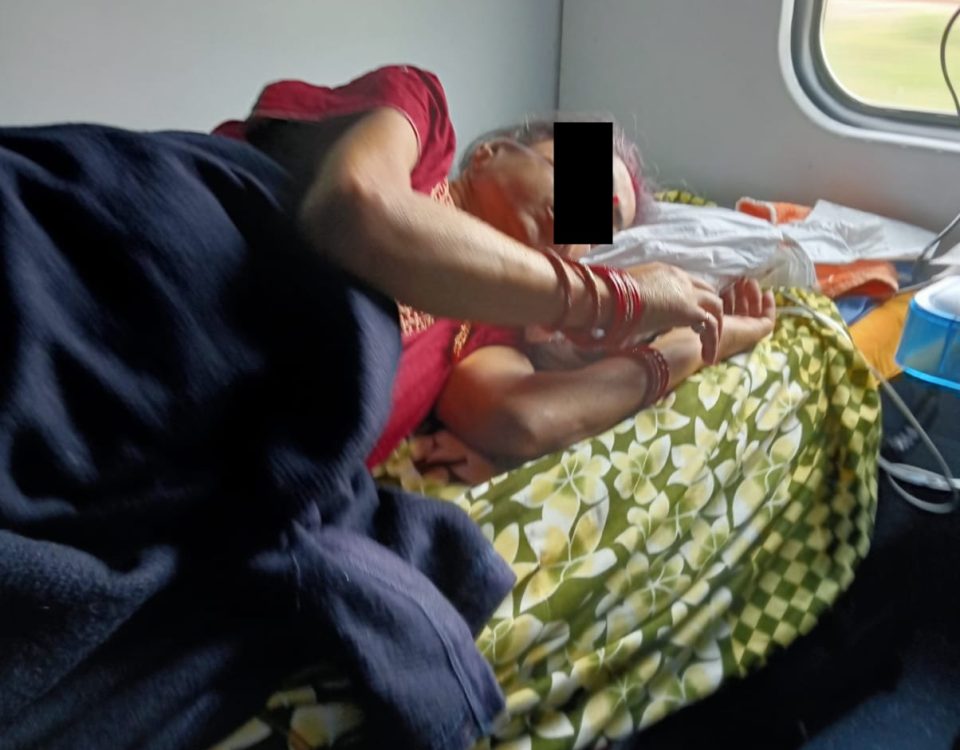
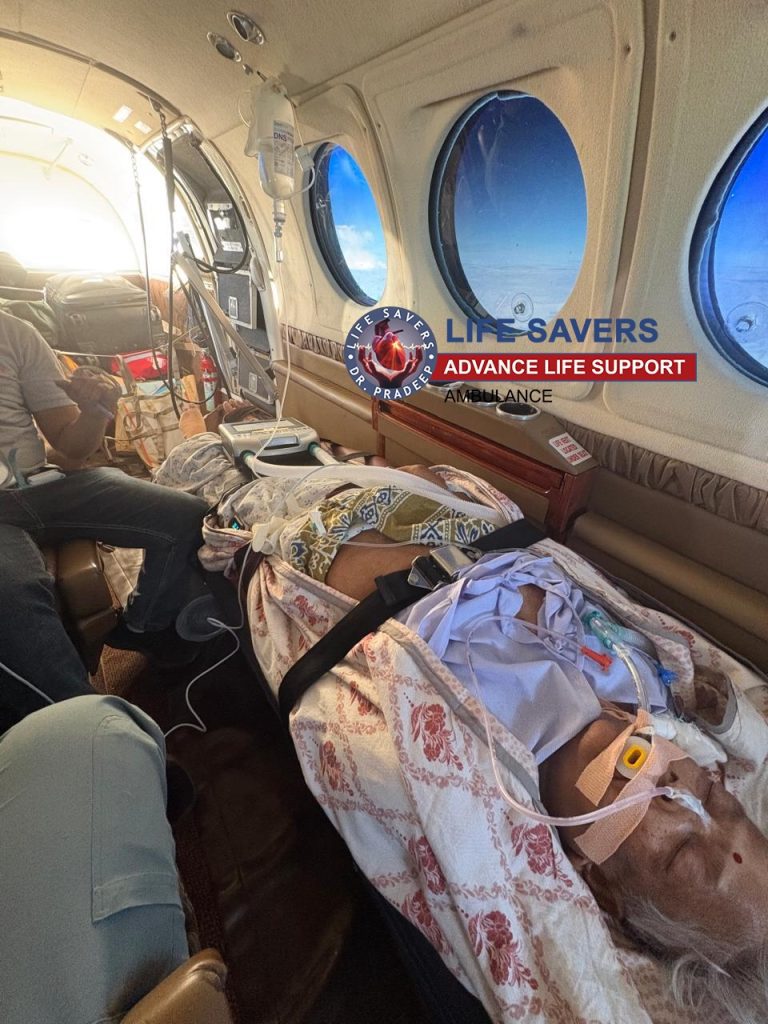
For this transfer, the semi-ICU configuration inside the reserved AC first-class coupe included a medical stretcher secured to the berth frame, a portable cardiac monitor tracking heart rate, blood pressure, and SpO2 continuously, a portable oxygen cylinder delivering the prescribed 2-litre flow rate throughout the journey, a suction apparatus in case of any airway complications, an emergency drug kit with medications relevant to stroke care including antihypertensives and anticonvulsants, and IV fluid management setup for hydration and medication delivery during transit.
The equipment is compact, battery-operated or portable, and specifically selected for train environments where power supply is not guaranteed at all times. Our team tests and calibrates every piece of equipment before the patient boards.
This is not an actual hospital ICU. No one is pretending it is. What a semi-ICU setup does is maintain the monitoring and intervention capability that a recovering stroke patient requires while in transit. If the patient's oxygen saturation drops, we know immediately. If blood pressure spikes, we have the medications to respond. The goal is to keep the patient in the same clinical window they were in at discharge from Apollo, not to treat new emergencies.
How We Managed the Transfer from Apollo Hospital Indraprastha
The transfer started at the hospital, not at the railway station.
Our coordination team spoke with the attending medical team at Apollo Indraprastha to understand the patient's current status, discharge medications, oxygen requirements, any positional restrictions, and red-flag symptoms to watch for during transit. This medical handover is not a formality. It is the document our onboard paramedic refers to throughout the journey. If Apollo's team flagged that the patient's blood pressure had been trending high in the 48 hours before discharge, our paramedic knows to check BP every 30 minutes instead of every hour.
A road ambulance with basic life support picked up the patient from Apollo Hospital Indraprastha, Sarita Vihar, and transported him to the departing railway station in Delhi. The stretcher the patient was placed on at the hospital is the same stretcher he stayed on until arrival in Patna. We do not transfer patients between stretchers at the station. That kind of unnecessary movement is exactly what you avoid with a stroke patient.
At the station, our ground team managed platform access, stretcher loading, and coupe setup. The semi-ICU equipment was already positioned inside the coupe before the patient arrived. By the time the stretcher was loaded, the cardiac monitor was on, the oxygen line was connected, and the paramedic had completed the first vitals check.
Throughout the 12 to 15 hour journey, the assigned paramedic maintained a written log of vitals taken at regular intervals, oxygen flow confirmation, fluid intake and output, and the patient's neurological status using a basic consciousness and responsiveness check. This log was handed over to the receiving medical team in Patna along with the patient.
On arrival at Patna, a second road ambulance was waiting at the station to transport the patient to his destination, whether that was a hospital for continued rehabilitation or his family home for home-based care. The family did not need to arrange anything on the Patna side. We handled it end to end.
Oxygen Support During a Rail Ambulance Journey
Families often worry about oxygen management on a train, and it is a fair concern.
For a patient on 2-litre continuous oxygen support, the total oxygen consumption over a 12 to 15 hour journey is significant. We calculate the oxygen requirement before departure based on the prescribed flow rate and the expected journey duration, and carry enough cylinder capacity to cover the full trip plus a buffer for delays. Indian Railways does not always run on schedule, and running short on oxygen because the train was four hours late is not a situation we allow.
The portable cylinders used in rail ambulance setups are medical-grade, fitted with flow regulators that allow precise delivery at the prescribed rate. Our paramedic monitors both the patient's SpO2 levels and the cylinder pressure throughout the journey. If oxygen consumption changes because the patient's breathing pattern shifts, the paramedic adjusts and documents it.
Delhi to Patna: Route and Logistics
The Delhi to Patna rail route is one of the busiest and best-connected corridors in India. Multiple trains run daily, including Rajdhani Express options that cover the distance in under 13 hours. Our logistics team selects the specific train based on three factors: AC first-class coupe availability on that service, departure timing that aligns with the patient's discharge schedule from the hospital, and expected journey duration including any known delays on that particular service.
On the Delhi side, we pick up from any hospital or residence across NCR. Apollo Hospital Indraprastha in Sarita Vihar is a pickup location we handle frequently, so our team is familiar with the hospital's discharge protocols, ambulance bay access, and the quickest road routes to New Delhi or Nizamuddin railway stations depending on which train is booked.
On the Patna side, we deliver to any hospital, nursing home, or residential address in Patna city, Patna Junction area, Danapur, or surrounding districts.
Frequently Asked Questions
Book a Rail Ambulance from Delhi to Patna
If your family member is being discharged from Apollo Hospital Indraprastha or any other hospital in Delhi and needs to reach Patna safely, call Life Savers Ambulance. We provide rail ambulance with semi-ICU and full ICU configurations, complete with trained paramedic escort, oxygen management, and door-to-door ground ambulance connectivity.
We will coordinate with your hospital's medical team, confirm rail suitability, and have a complete transfer plan ready within hours.
Life Savers Ambulance provides rail ambulance, road ambulance, and air ambulance services across India. Every transfer includes trained medical staff, proper equipment, and end-to-end coordination from hospital discharge to destination admission.