Top Neonatal Air Ambulance Service India: Saving a 1,100g Baby from Silchar to Chennai
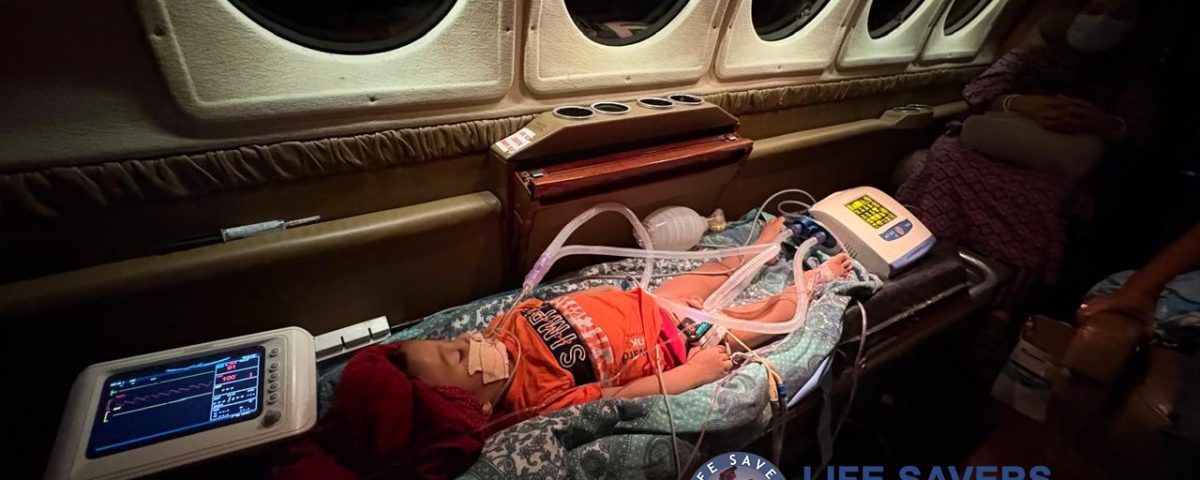
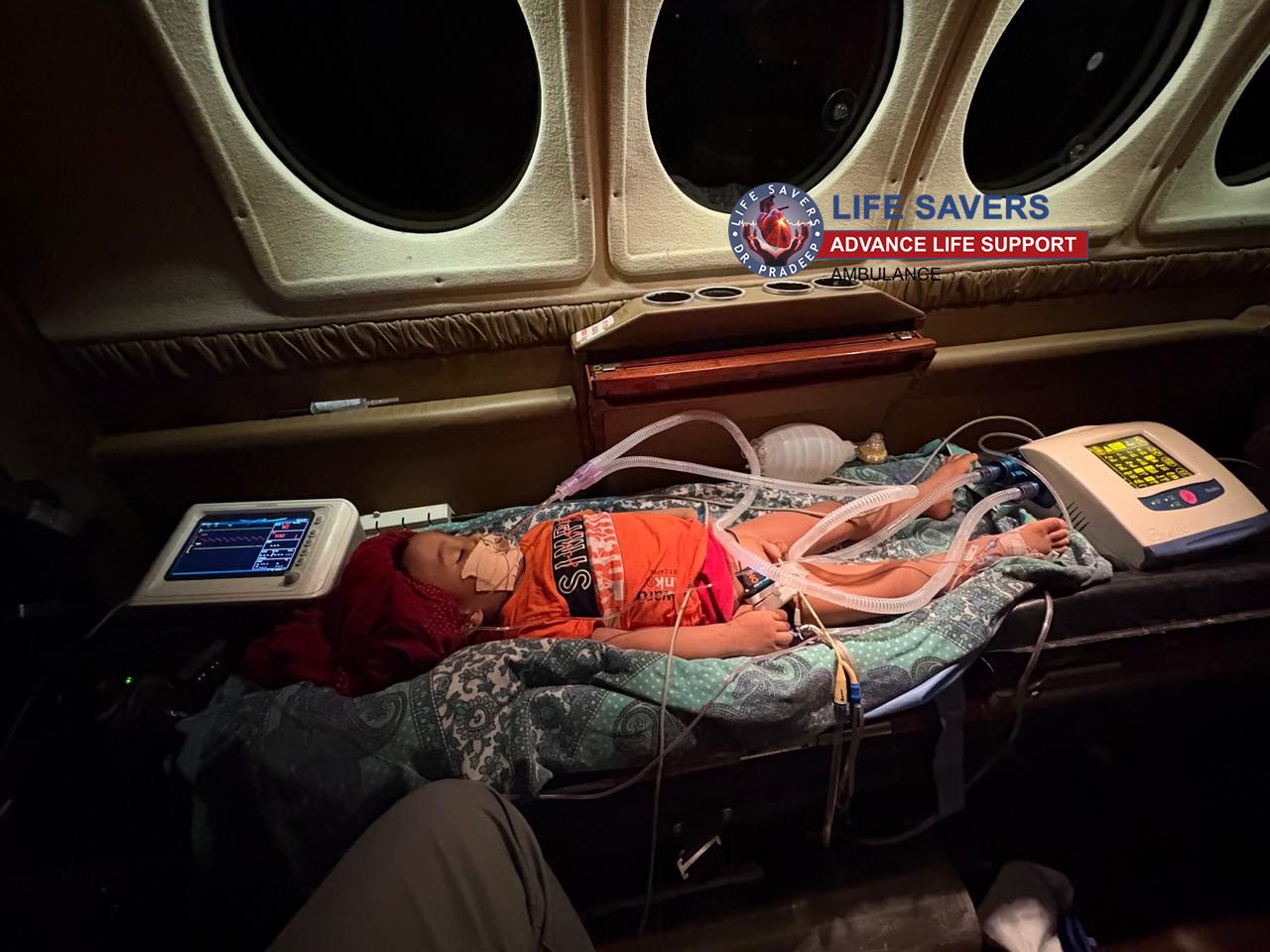
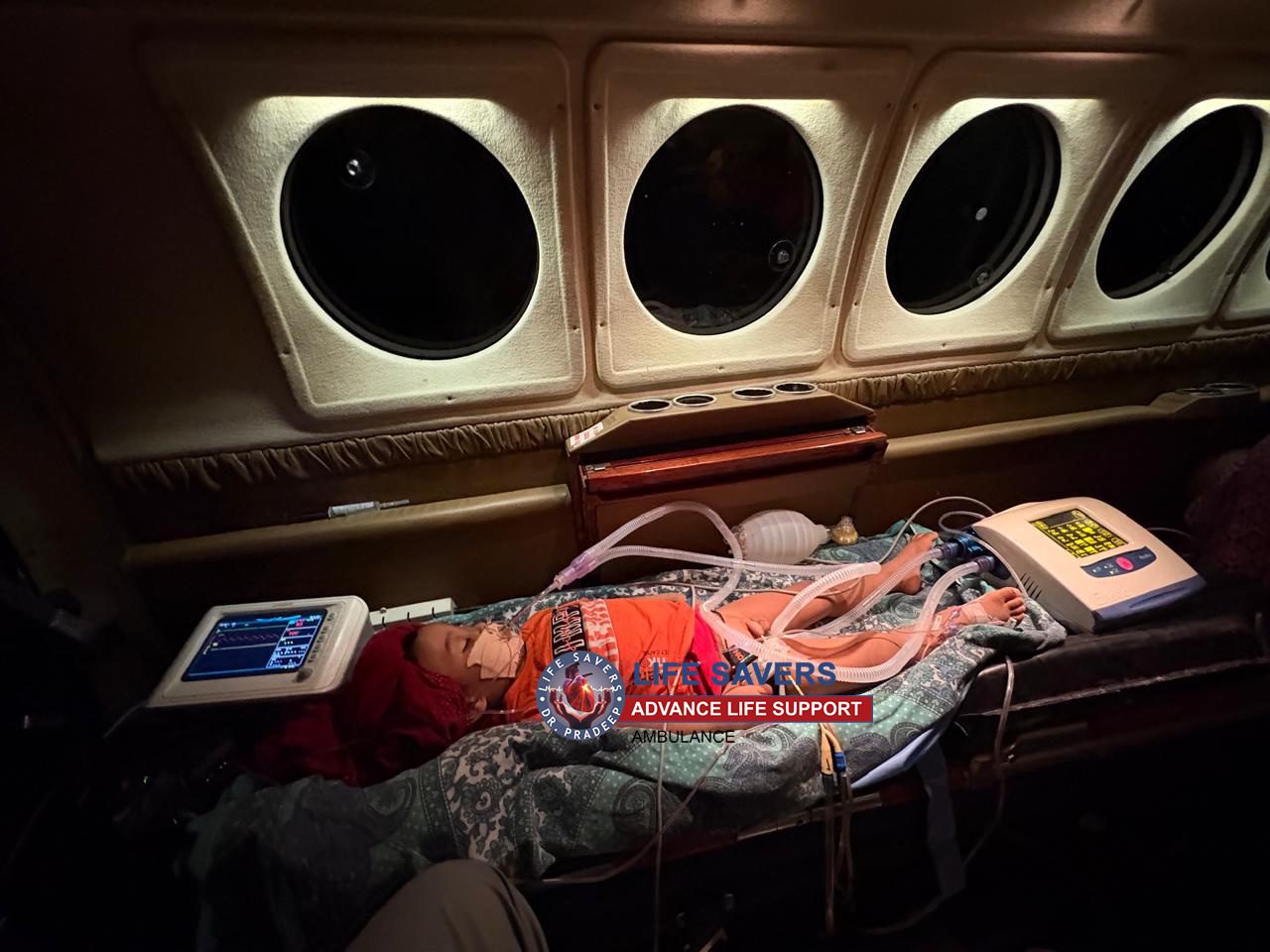
n a remarkable milestone for emergency medical evacuation services in India, a critical care air ambulance safely transported a 27-day-old, ultra-low-birth-weight (1,100g) micro-premature infant from Silchar to a specialized tertiary NICU in Chennai.
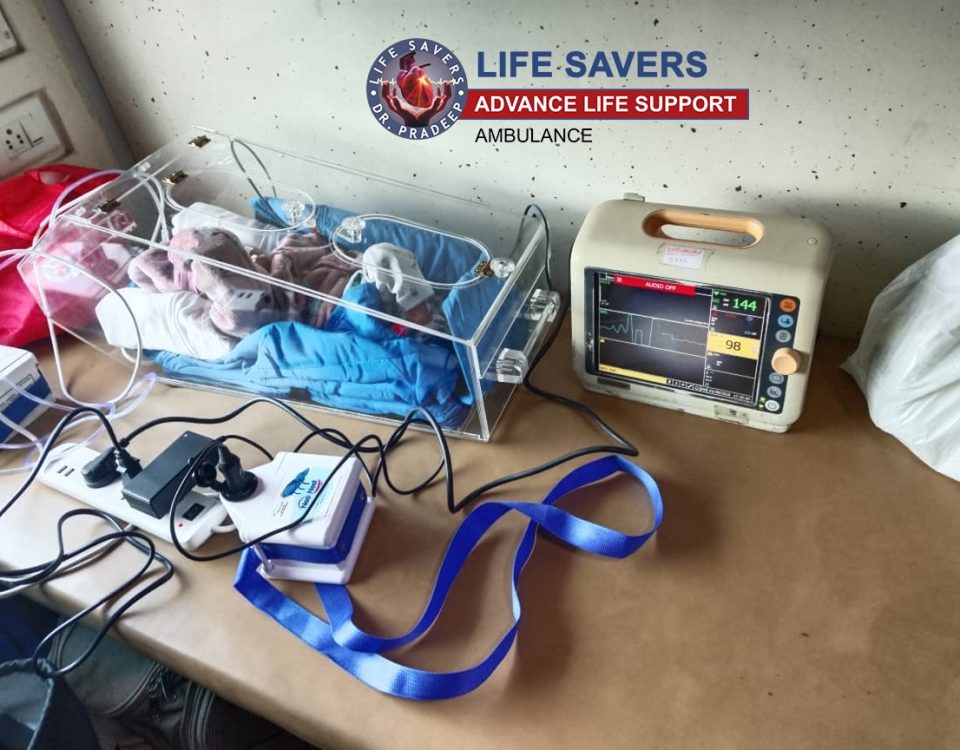
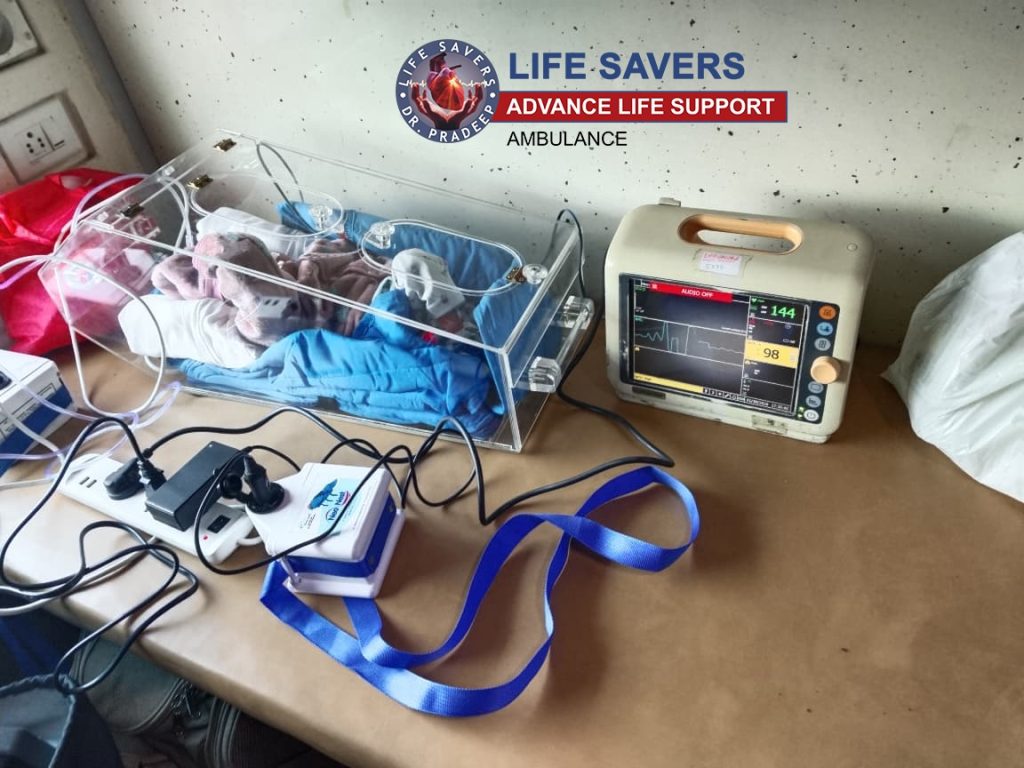
The baby was highly unstable, requiring a neonatal transport ventilator on maximum settings (100% O2) and an uninterrupted flow of triple inotropes (blood-pressure medications) via continuous infusion pumps. To ensure maximum safety, the bed-to-bed air ambulance team utilized an advanced, temperature-controlled transport incubator to serve as a mobile womb.
Navigating 4 High-Risk Tarmac Transfers:
Because strict airport regulations prevent local vehicles from driving onto commercial runways, the medical escort team had to manage four separate vehicle-to-vehicle shifts across the logistical chain:
Silchar Airport Gate: Shifted from the local road ambulance to an internal airport tarmac vehicle. The team swapped from vehicle power to internal incubator batteries without disrupting the high-flow oxygen.
The Tarmac Lift:
Loaded the heavy equipment into the ICU setup aircraft. The aviation crew managed the physical lift while the specialized Neonatologist shielded the baby from tarmac winds and guarded the delicate IV lines.
Chennai Touchdown:
Unloaded the infant from the aircraft onto the Chennai runway, monitoring vital signs continuously via battery-backed infusion pumps.
The Final Stretch:
Transferred from the tarmac vehicle to a local Advanced Life Support (ALS) road ambulance, performing a full clinical audit before completing the journey to the receiving NICU.
Why Choose the Best Air Ambulance Service in India?
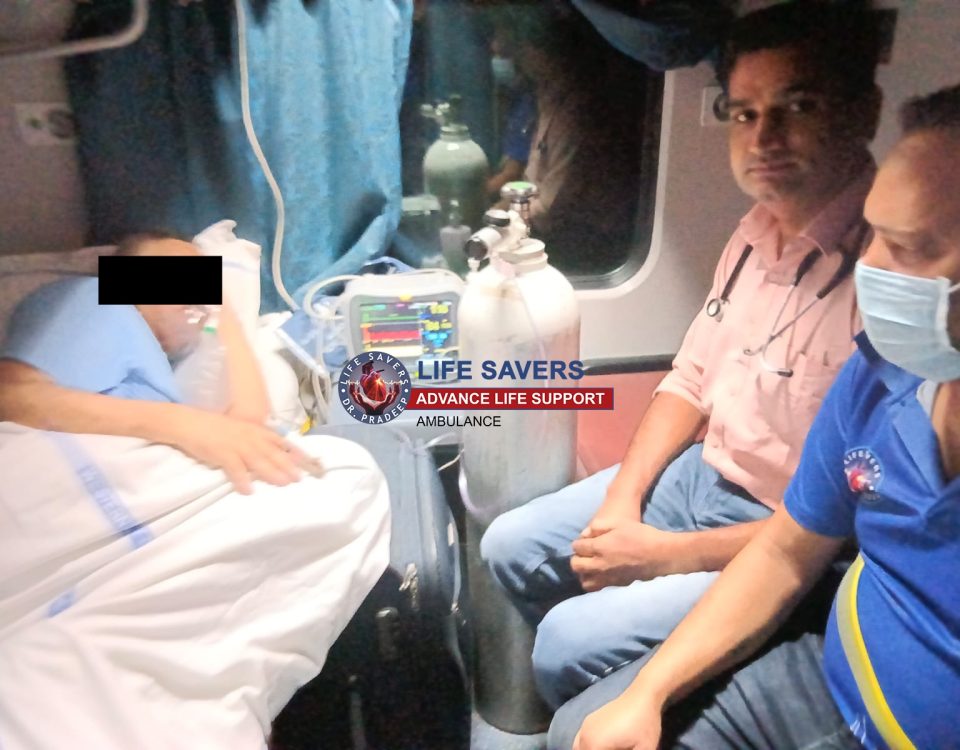
Specialized Neonatal Care: Accompanied end-to-end by a veteran Neonatologist and a trained pediatric paramedic.
Unbroken Continuity of Care: Zero interruptions in power, medical oxygen, or life-saving medication infusions during critical physical lifts.
Seamless Tarmac Logistics: Perfect coordination between aviation ground handlers and emergency air rescue teams minimized critical tarmac wait times.
This historic recovery proves that with advanced neonatal air ambulance equipment and strict bed-to-bed protocols, even the most vulnerable, ventilator-dependent infants can be safely transported across vast distances