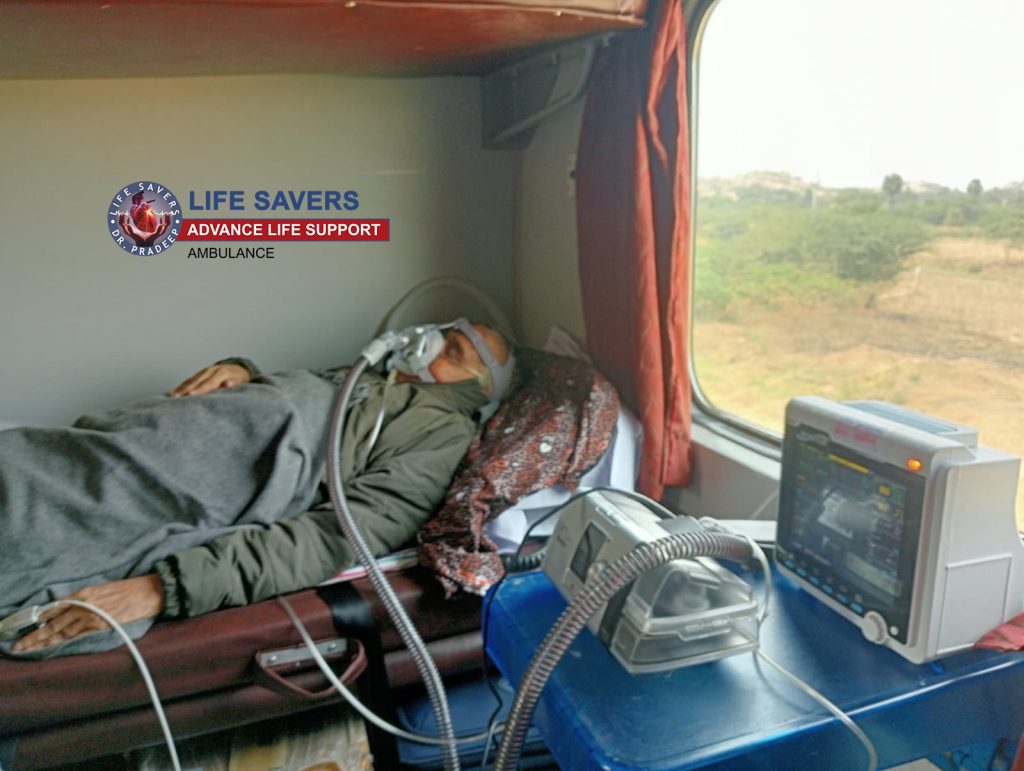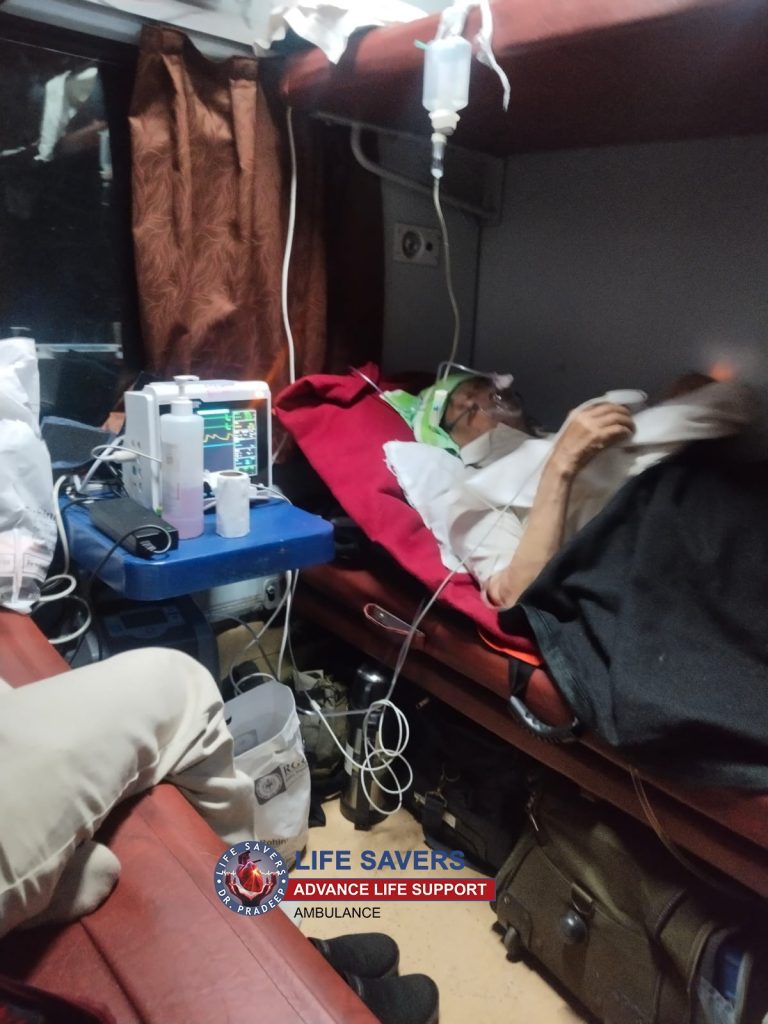
Patna to Delhi (SGRH): Emergency Charter Air Ambulance Transfer for a Critically Ill Patient with Suspected Pneumonia
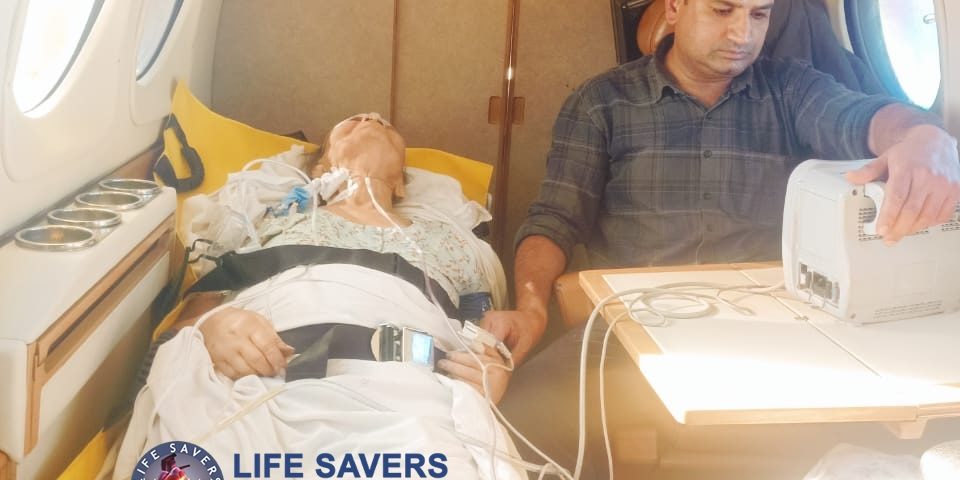
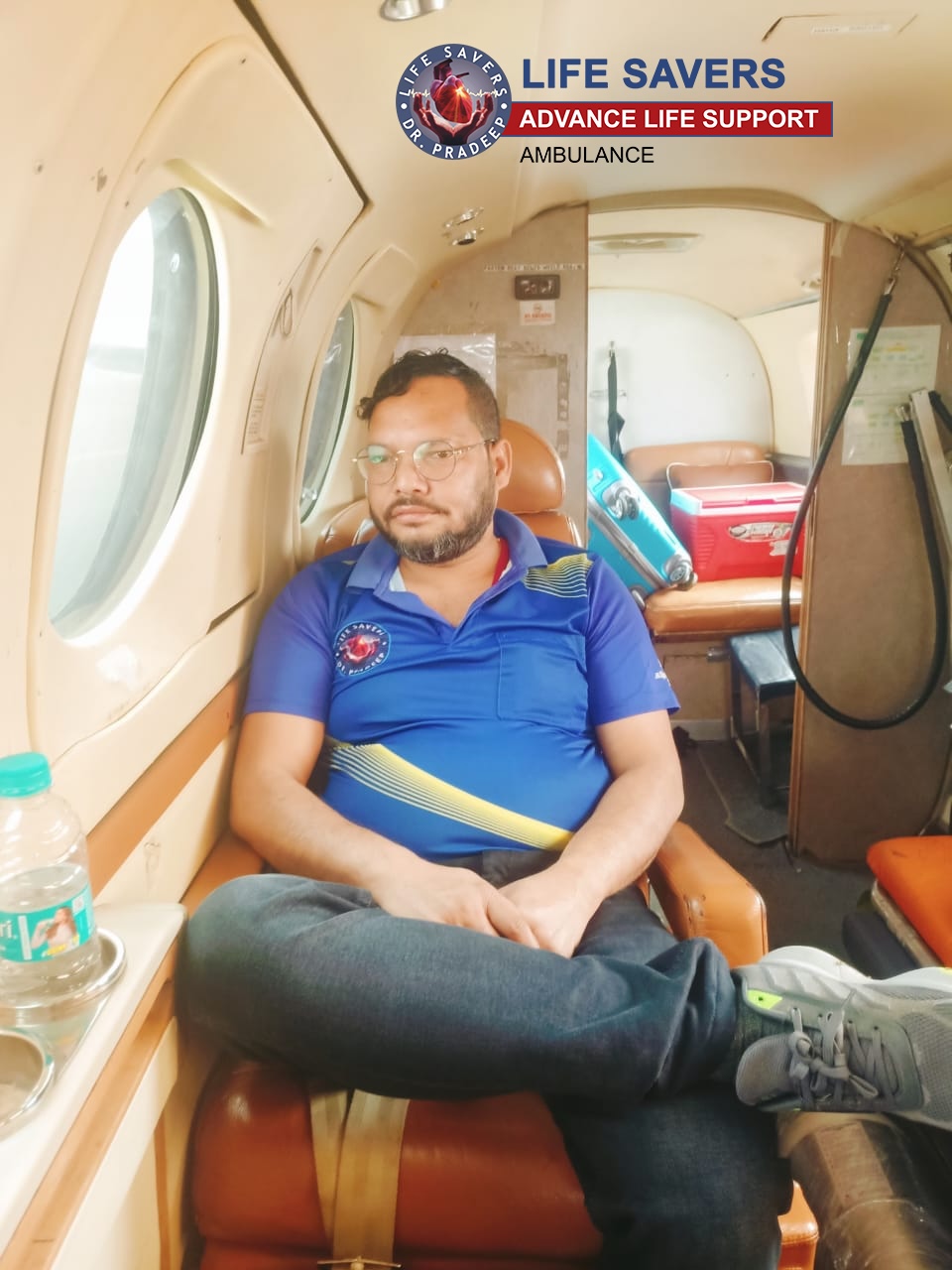
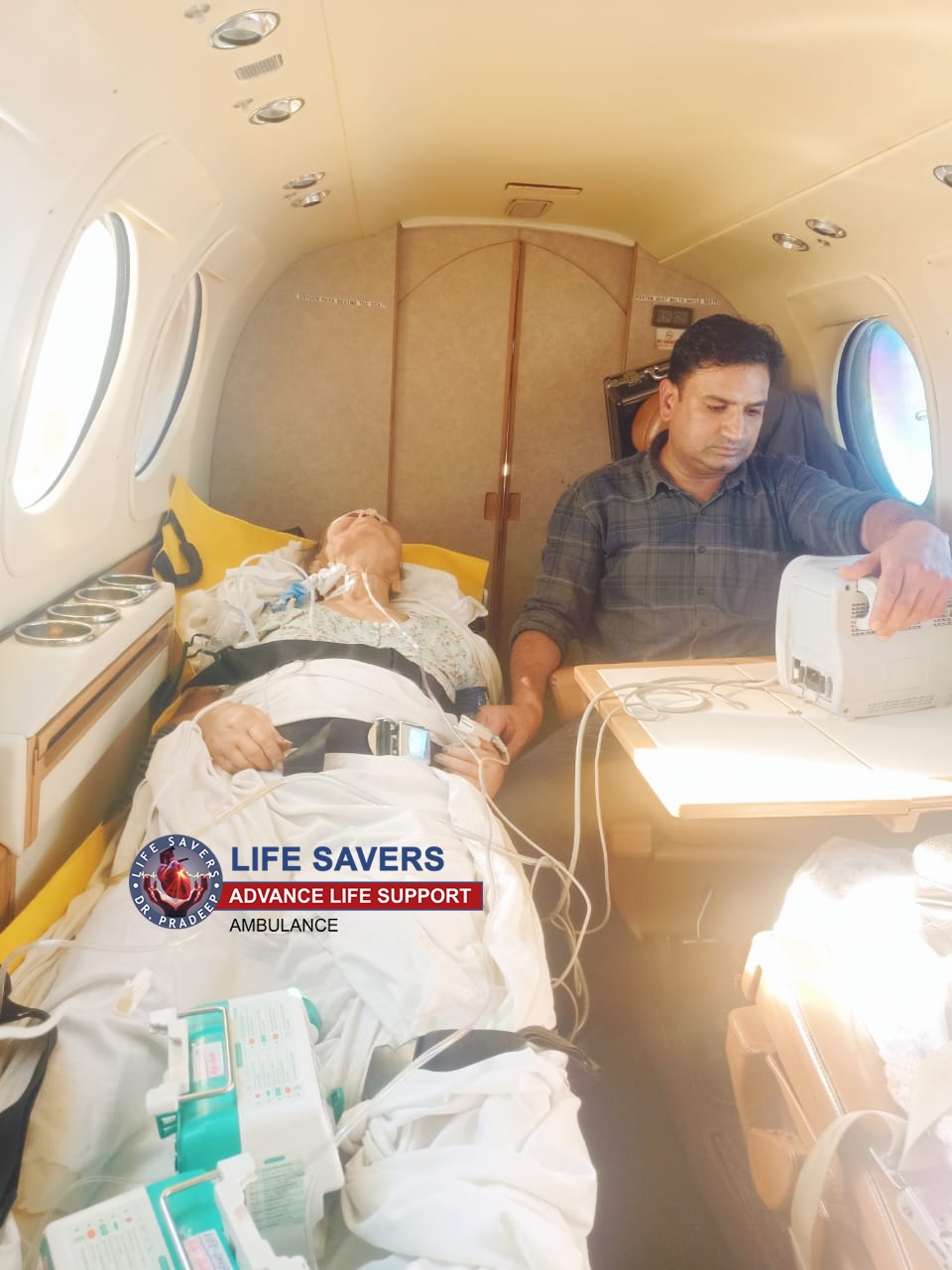
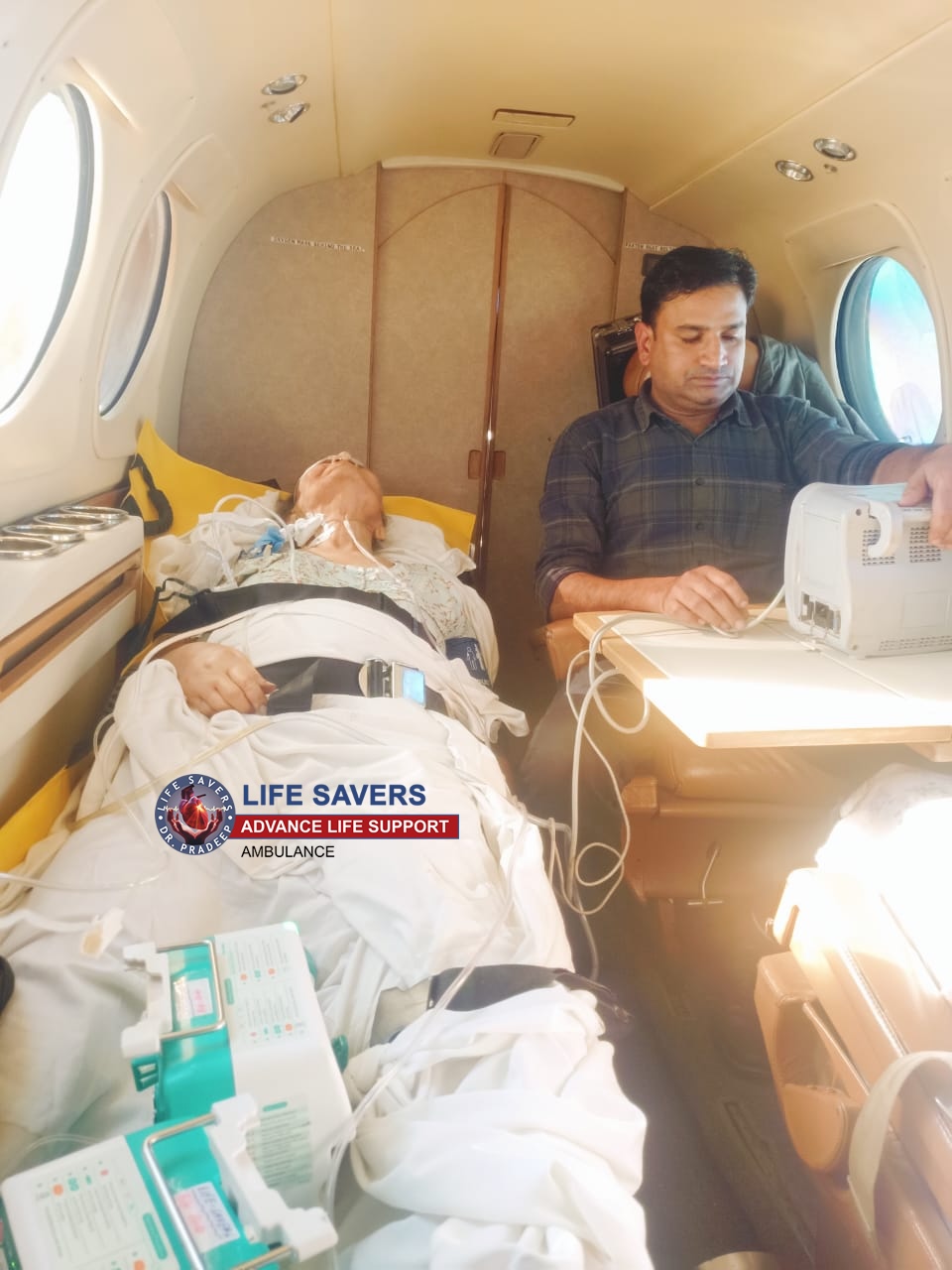
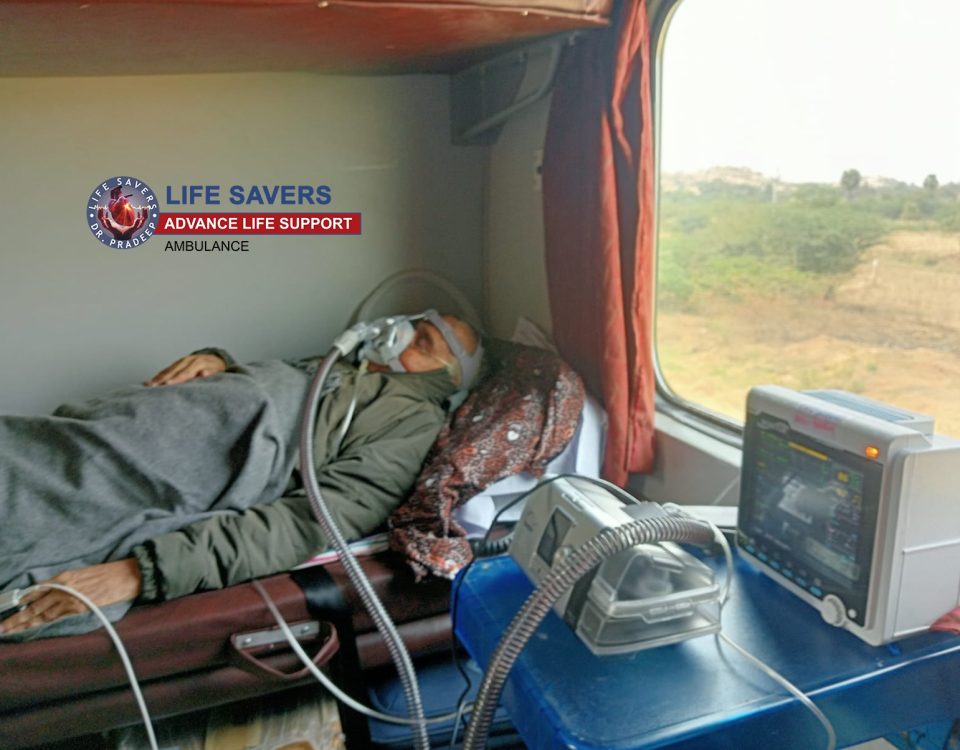
When a patient’s lungs begin to fail, time becomes the most critical factor. Life Savers was urgently mobilized for a charter air ambulance transfer from Patna to Sir Ganga Ram Hospital (SGRH), Delhi, involving a patient with suspected pneumonia, white-out lung on imaging, and severe respiratory compromise.
The patient required continuous oxygen support at 3 liters, Norad infusion for blood pressure maintenance, and immediate tertiary-level intervention that was unavailable locally. This was a race against hypoxia—and one that demanded ICU-level care in the air.
Patient Overview
- Condition: Suspected pneumonia with white-out lung
- Respiratory Status: Severe compromise
- Oxygen Support: Continuous 3 L/min oxygen
- Hemodynamics: On Norad support
- Urgency: Immediate intervention required
- Route: Patna → Delhi
- Receiving Hospital: Sir Ganga Ram Hospital (SGRH), Delhi
Mode of Transport: Charter Air Ambulance
Medical Team: Life Savers ICU Specialist Team
The patient was unstable, hypoxic, and at high risk of sudden deterioration.
Why This Transfer Was High-Risk
This case involved multiple red-flag clinical indicators:
- White-out lung, indicating severe lung involvement
- Suspected pneumonia, with rapidly worsening oxygenation●
- Dependence on vasopressors (Norad)
- Risk of acute respiratory failure
- Potential for sudden desaturation during flight
Hemodynamic instability
Air travel adds physiological stress due to altitude-related pressure changes, making ICU expertise essential.
Life Savers’ Air Ambulance Strategy
1. ICU-Configured Charter Aircraft
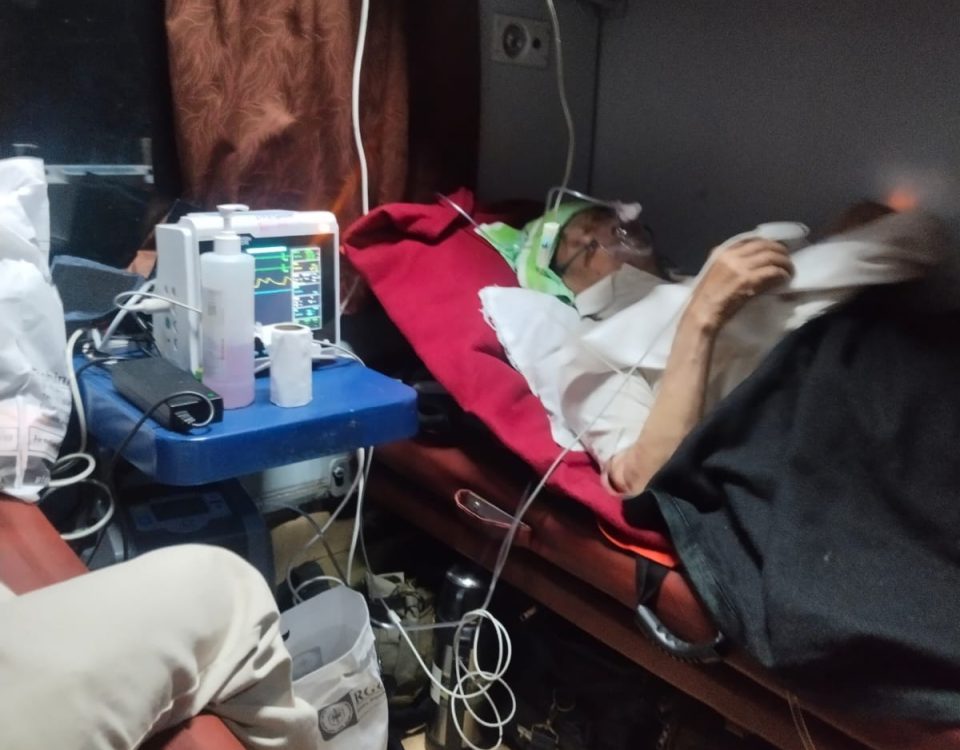
The aircraft was prepared as a flying ICU with:
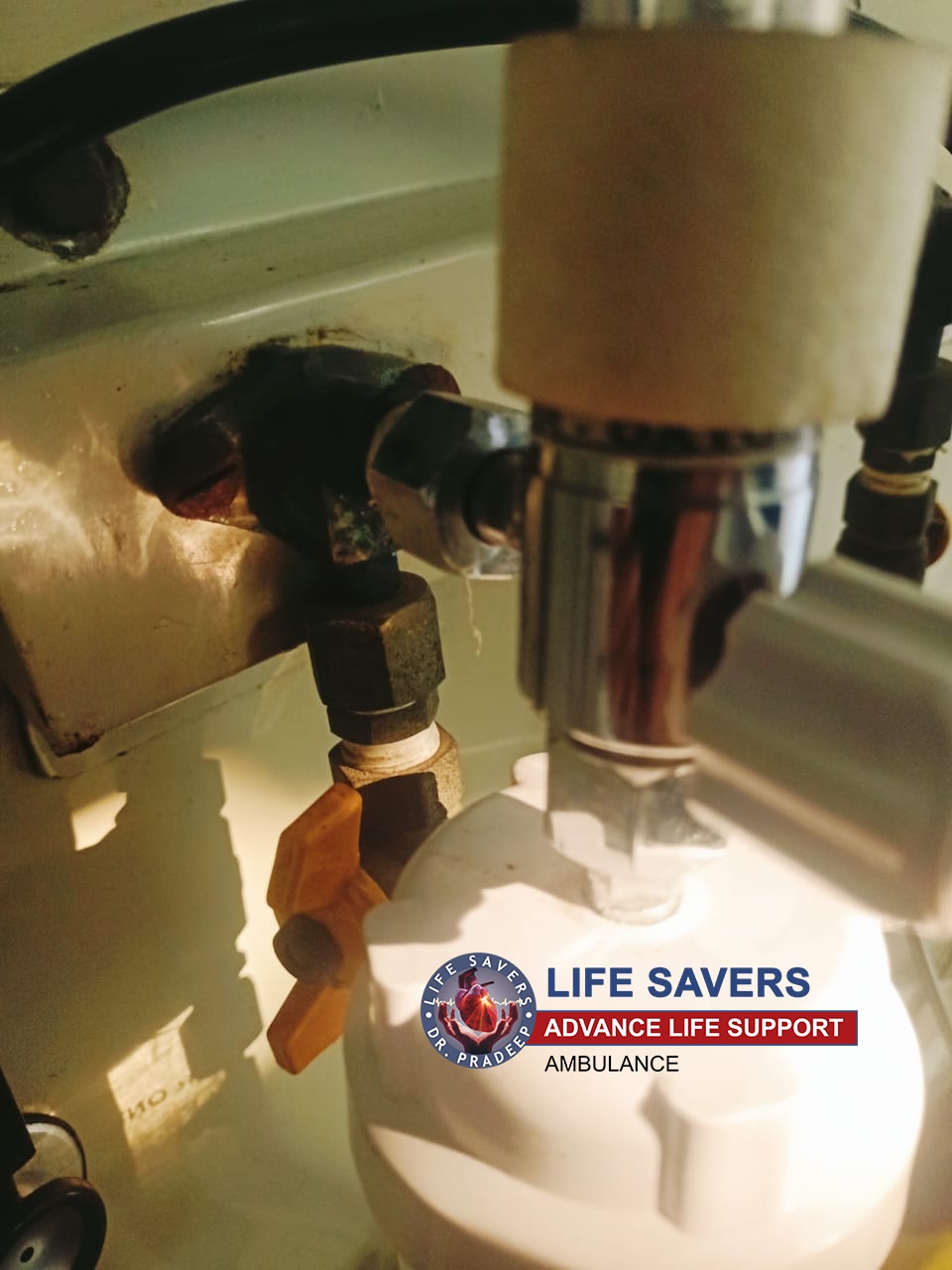
- High-flow oxygen delivery systems
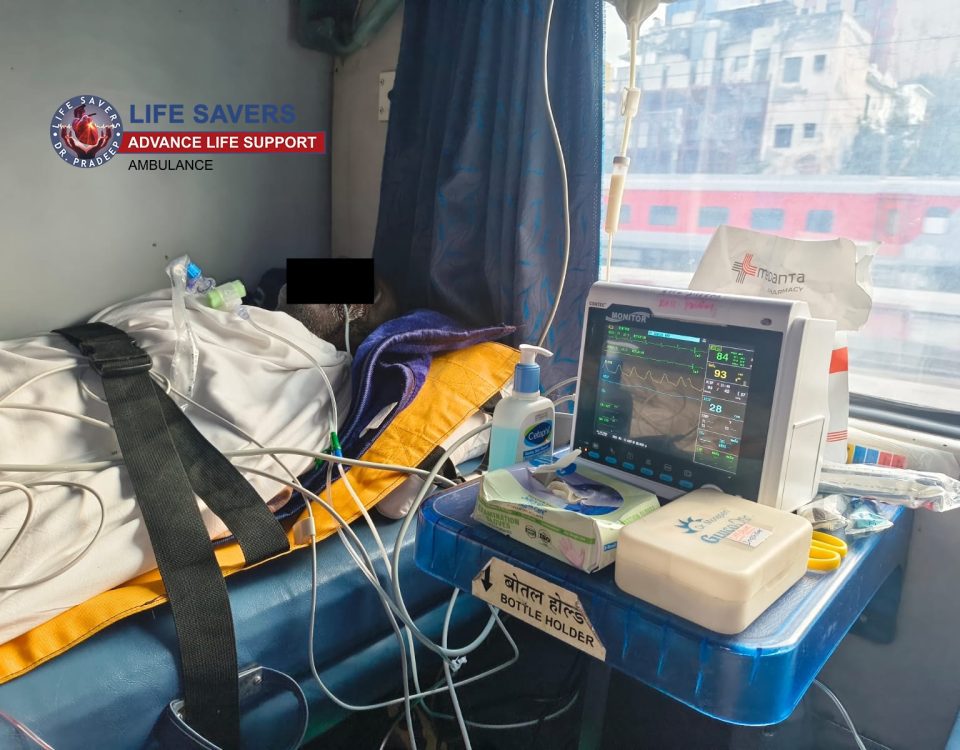
- Multi-parameter monitoring (ECG, BP, SpO₂)
- Syringe pumps for continuous Norad infusion
- Emergency airway management equipment
- Advanced resuscitation drugs
- Portable suction and backup oxygen
This ensured uninterrupted critical care throughout the journey.
2. ICU Specialist Team Onboard
Life Savers deployed a senior critical care team consisting of:
- ICU Physician
- Critical Care Nurse
- Flight-trained Paramedic
- The team continuously managed:
- Oxygenation and respiratory effort
- Norad dose titration
- Blood pressure and cardiac rhythm
- Signs of respiratory fatigue or collapse
- Readiness for emergency airway intervention
Every phase of the flight—takeoff, cruise, and landing—was closely monitored.
3. Rapid Bed-to-Bed Coordination
The transfer was executed with precision:
- Stabilization at Patna hospital
- Smooth airport transfer with minimal movement
- Continuous monitoring during flight
- Advance coordination with SGRH Delhi ICU
- Immediate handover upon landing for advanced pulmonary and critical care management
- No delays. No compromise.
Outcome: Safe Arrival at SGRH, Delhi
Despite the severity of lung involvement and vasopressor dependence, the patient:
- Maintained stable vitals during the flight
- Required no emergency escalation mid-air
- Was handed over directly to Sir Ganga Ram Hospital ICU
- Received immediate specialist intervention upon arrival
A timely transfer made advanced care possible when it mattered the most.
Why Hospitals Trust Life Savers for Critical Air Transfers
- ICU-configured charter air ambulances
- Senior critical care specialists onboard
- Expertise in pneumonia, ARDS, and respiratory failure cases
- Rapid mobilization across India
- In-house medical and aviation coordination
- Trusted by leading hospitals including SGRH
Life Savers ensures that critically ill patients reach the right hospital—safely, quickly, and under expert medical supervision.