Neonest Hospital, Delhi – Vrindavan | NICU Ambulance Transfer for Ventilated Preterm Twins
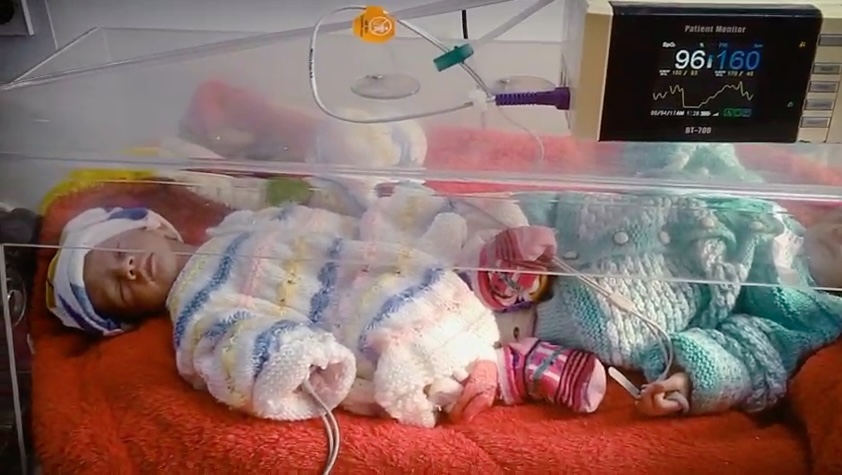
Safe neonatal transport demands precision, redundancy, and highly trained teams, especially when extremely premature infants require ventilatory support. Life Savers Ambulance Services recently executed a complex twin neonatal transfer from Neonest Hospital, Delhi to Vrindavan, adhering strictly to NICU transport protocols.
Case Overview
Twin male neonates, born at 28 weeks of gestation, were admitted at Neonest Hospital shortly after birth. Both infants were extremely premature with very low birth weight and required advanced respiratory and hemodynamic support. Due to the need for continued intensive neonatal care closer to family support in Vrindavan, intercity transfer was planned.
Patient Condition
At the time of transfer:
- Twin 1 weighed approximately 930 grams
- Twin 2 weighed approximately 810 grams
- Both neonates were ventilator dependent
- Diagnoses included Respiratory Distress Syndrome (RDS), clinical sepsis, neonatal shock, and acute kidney involvement
- One twin required ongoing inotropic support, while the other had recurrent apnea episodes requiring escalated respiratory support
Given the fragility of both babies, simultaneous transport in a single vehicle was clinically unsafe.
Transport Decision
To minimize risk and ensure uninterrupted care, two separate NICU ambulances were deployed. This approach allowed individualized monitoring, ventilation management, and rapid intervention for each neonate, in line with best neonatal transport practices.
Medical Setup
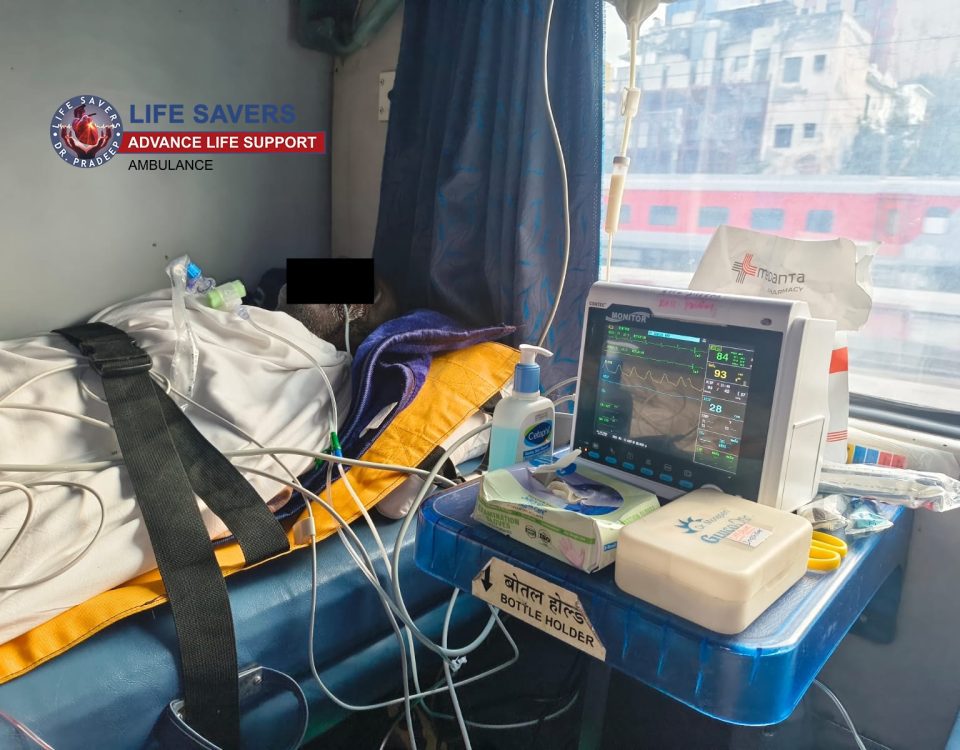
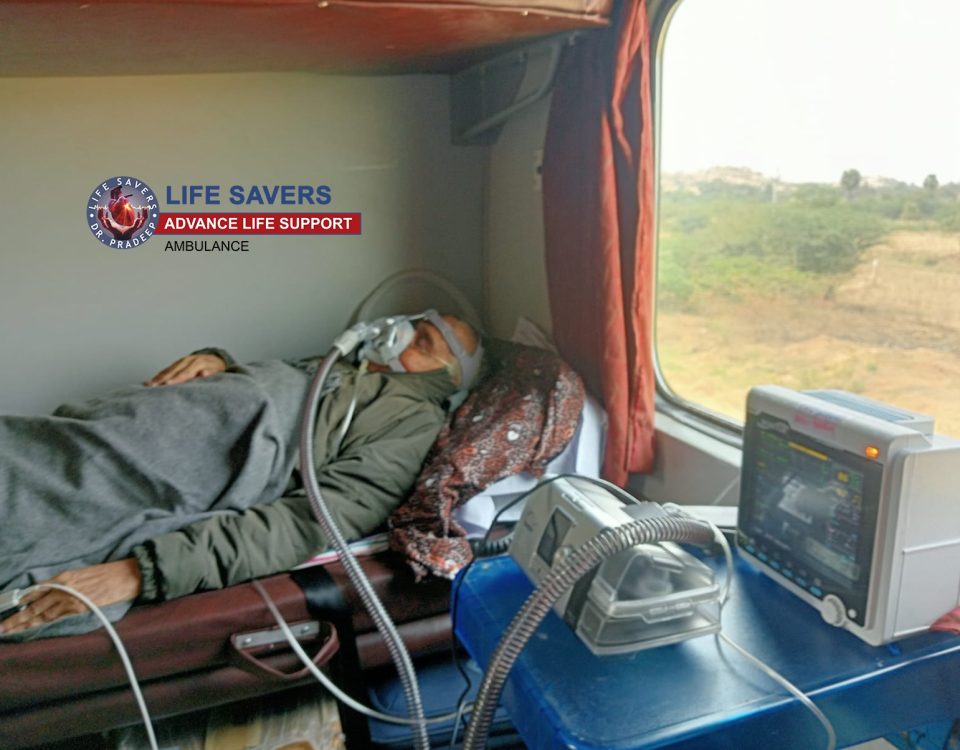
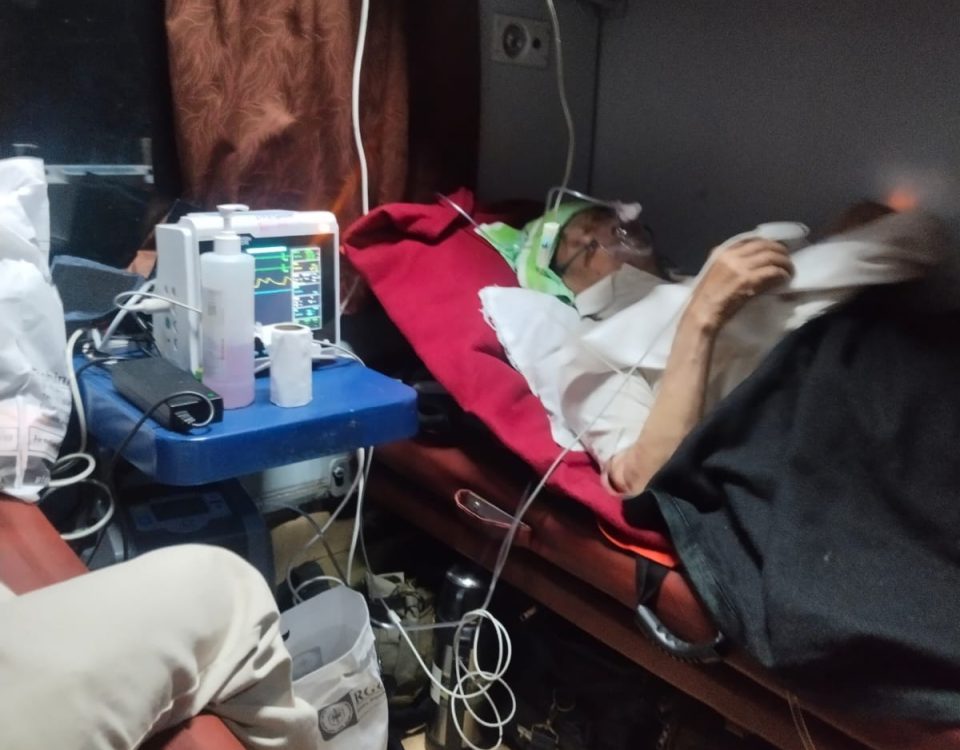
Each NICU ambulance arranged by Life Savers Ambulance Services was equipped with:
- Neonatal transport ventilator with pressure controlled modes
- Transport incubator for strict thermal regulation
- Multi-parameter neonatal monitoring systems
- Infusion pumps for inotropes, antibiotics, and sedation
- Emergency airway and resuscitation equipment
Execution of Transfer
- Two independent critical care teams were assigned, one per neonate
- Each team consisted of a NICU trained doctor and paramedic
- Continuous monitoring of oxygen saturation, heart rate, blood pressure, and temperature was maintained
- Ventilator settings and infusions were adjusted in real time during transit
- Bed to bed transfer protocols were followed to avoid any interruption in life support
The use of separate ambulances ensured clinical focus and reduced cross risk during the journey.
Arrival and Handover
Both neonates reached Vrindavan safely and were handed over in stable condition to the receiving neonatal care team. A detailed clinical handover was provided, including ventilator settings, medication charts, and recent clinical events.
Clinical Perspective
This transfer highlights the importance of redundant planning, parallel teams, and NICU grade infrastructure when managing extremely premature twins. By deploying two fully equipped ambulances and specialized teams, Life Savers ensured that each infant received uninterrupted, individualized critical care throughout transport. Such case specific neonatal transfers reinforce the role of structured NICU transport systems in improving outcomes for high risk newborns and their families.