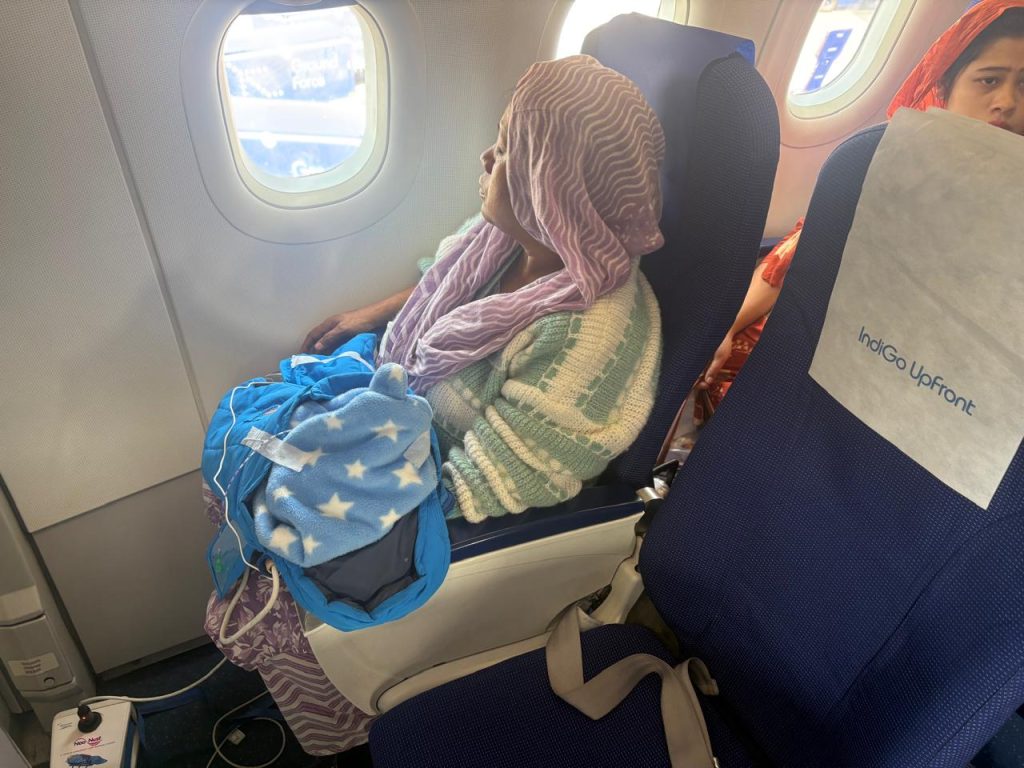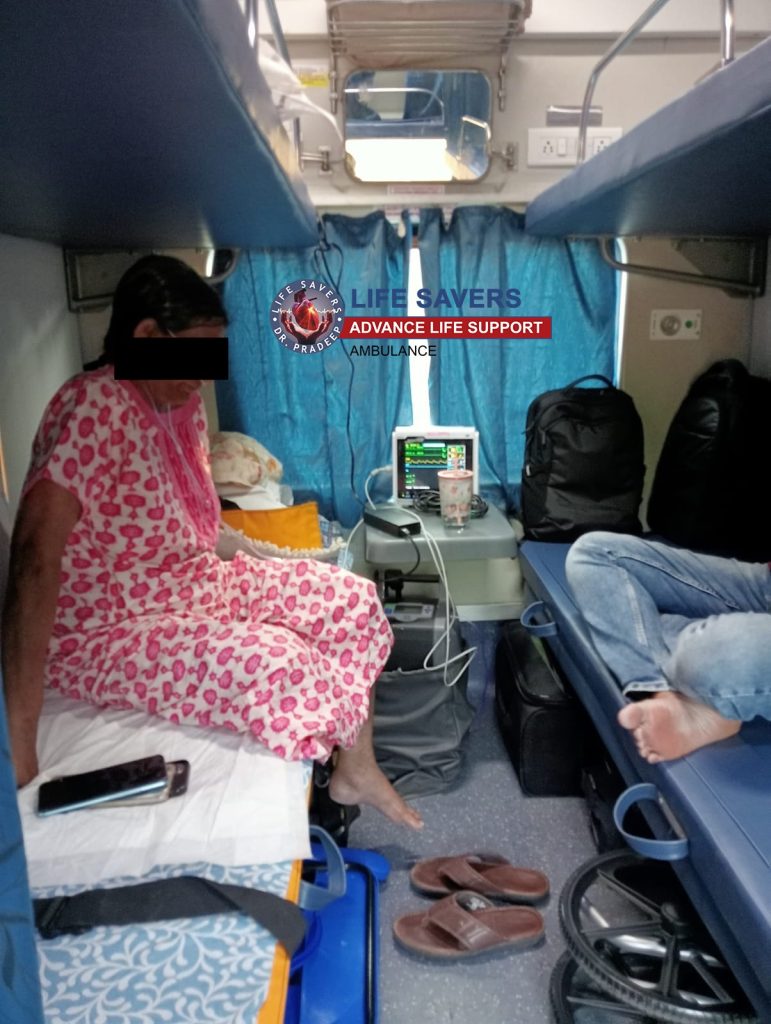
Jabalpur – Surat | ICU Train Ambulance Transfer
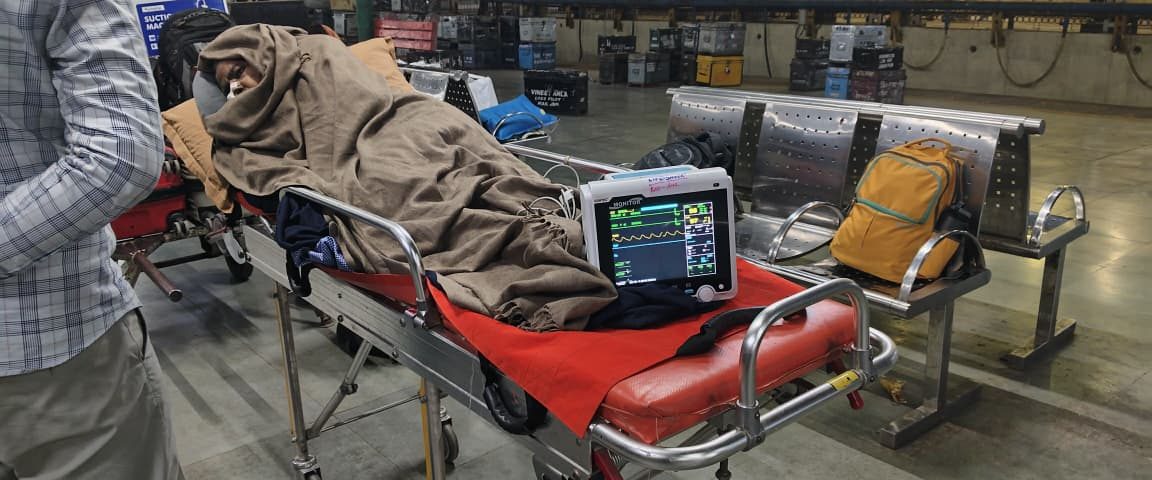
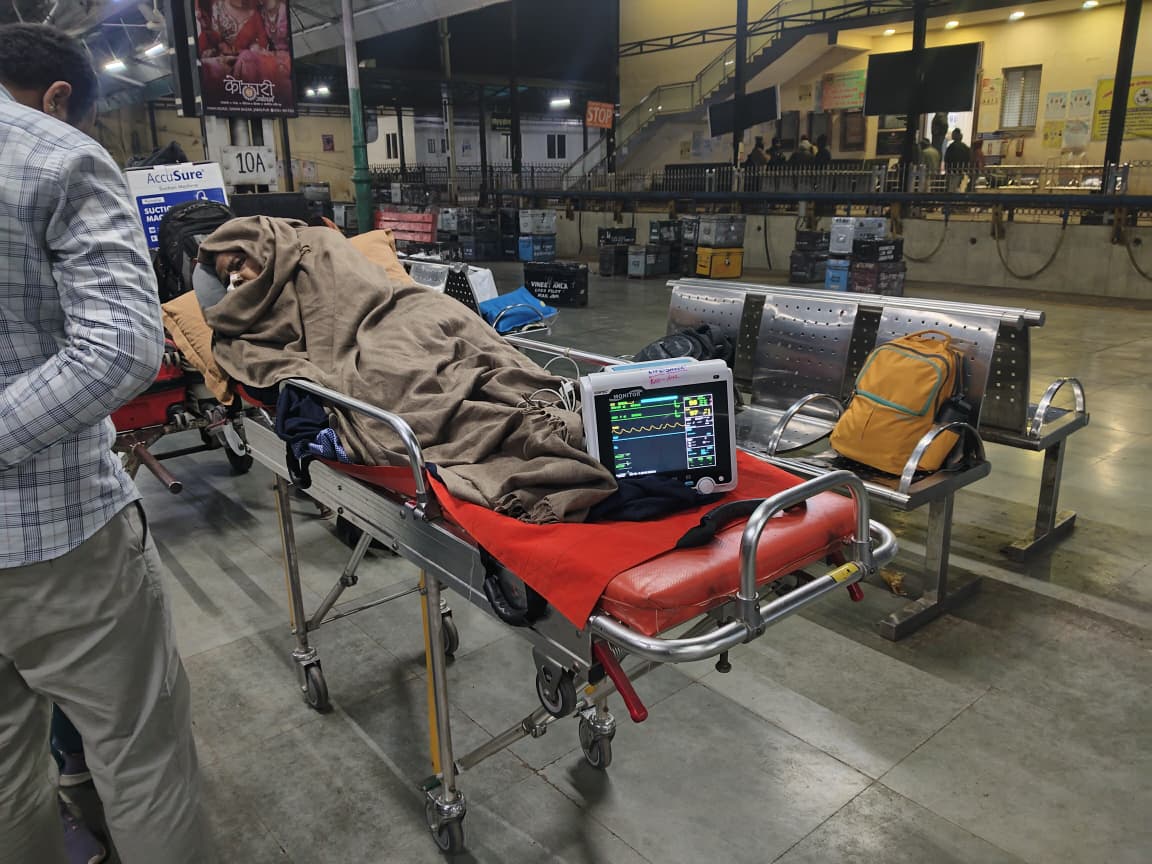
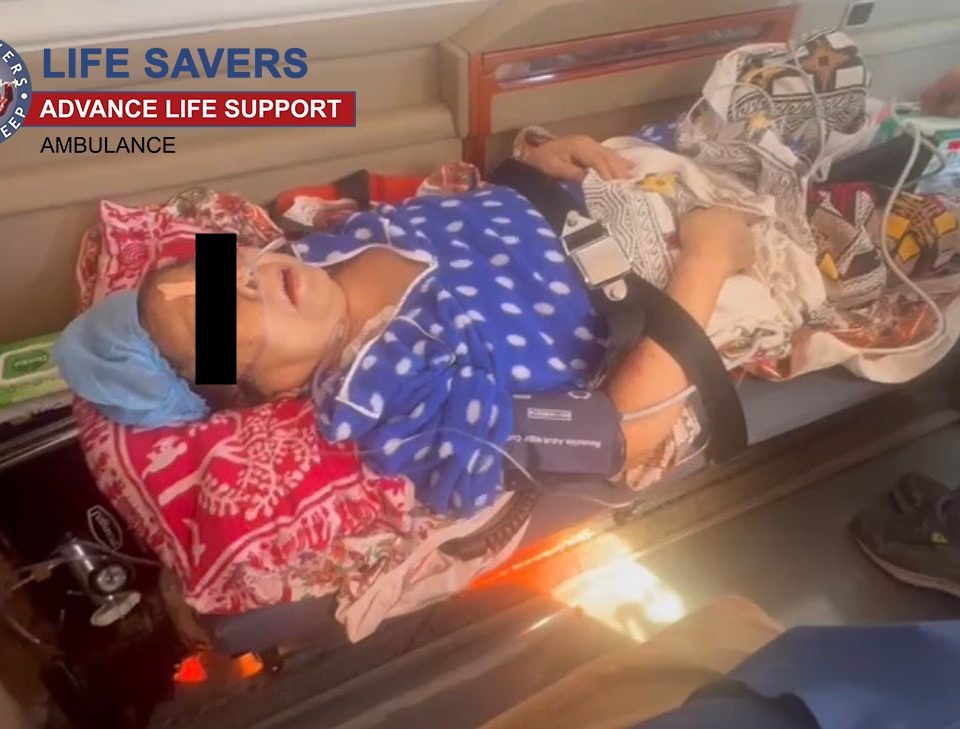
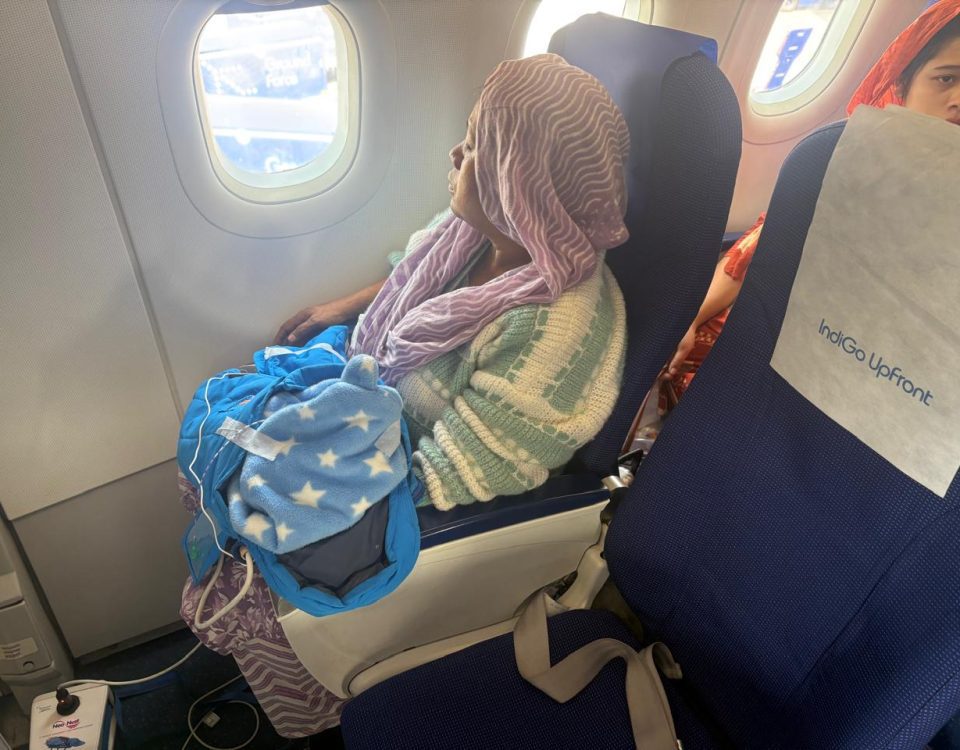
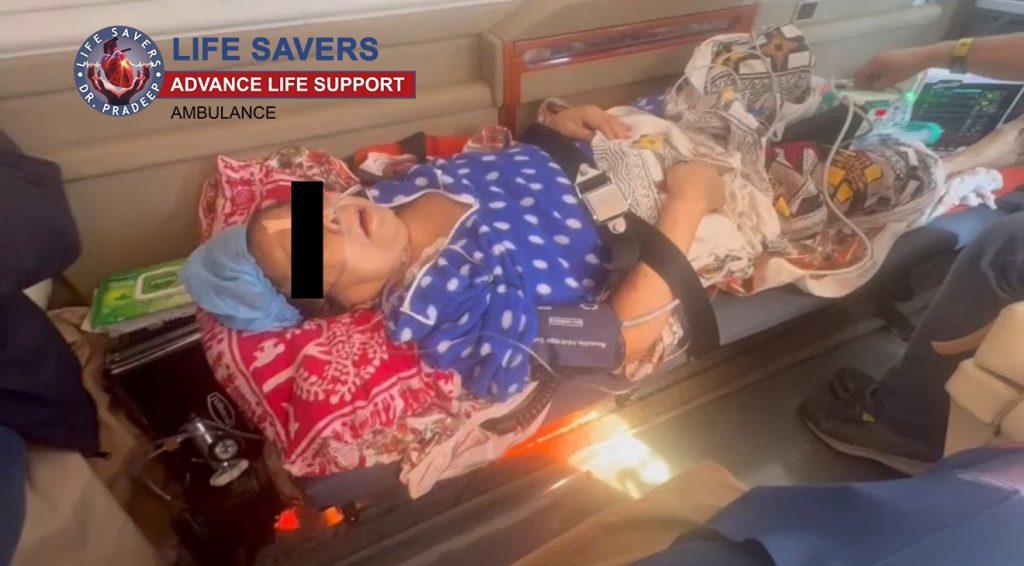
Long-distance transport for airway-dependent patients requires stability, planning, and continuous clinical vigilance. Life Savers Ambulance Services recently managed a safe and carefully coordinated rail ambulance transfer for a patient requiring ongoing airway care and monitoring.
Case Overview
A 50-year-old male patient required intercity transfer from Jabalpur to Surat for continuation of medical care. Considering the distance involved and the need for uninterrupted respiratory support, an ICU Train Ambulance was selected as the most stable and suitable mode of transport.
Patient Condition
At the time of transfer, the patient:
- Was tracheostomized
- Required continuous oxygen support at 1 litre per minute
- Needed frequent and continuous suctioning to maintain airway patency
- Was otherwise hemodynamically stable but at risk of respiratory compromise without close supervision
Given the airway dependency, even brief interruptions in care could have resulted in clinical deterioration.
Transport Decision
A Train Ambulance Service was chosen to ensure:
- A smoother and more stable ride compared to long-distance road travel
- Adequate space for suctioning equipment and oxygen backup
- Continuous monitoring over an extended journey
- A controlled environment suitable for tracheostomy care
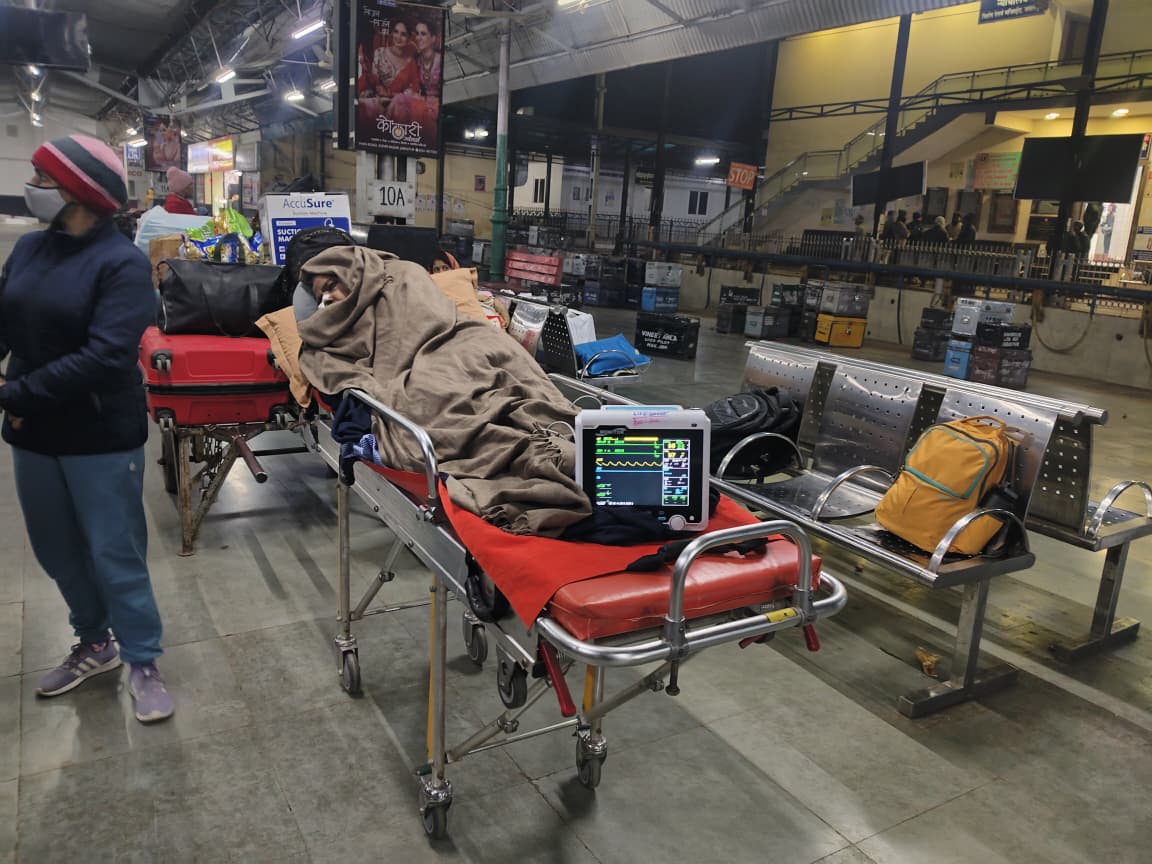
Life Savers Ambulance Services arranged a bed-to-bed train ambulance transfer, ensuring continuity of care from the referring facility to the receiving center in Surat.
Medical Setup Onboard
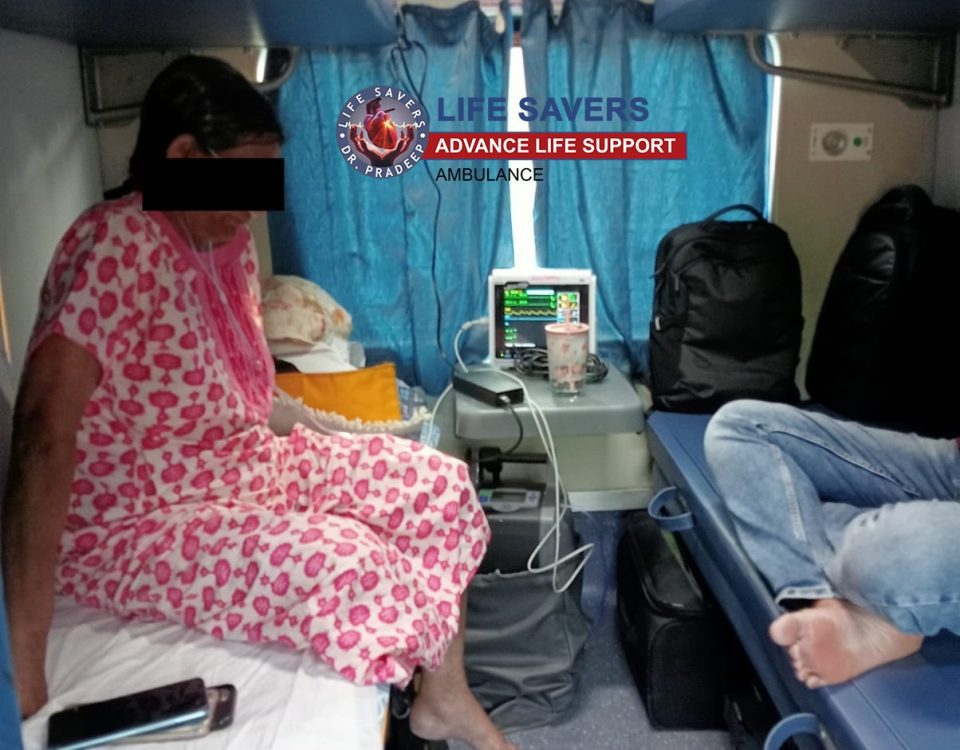
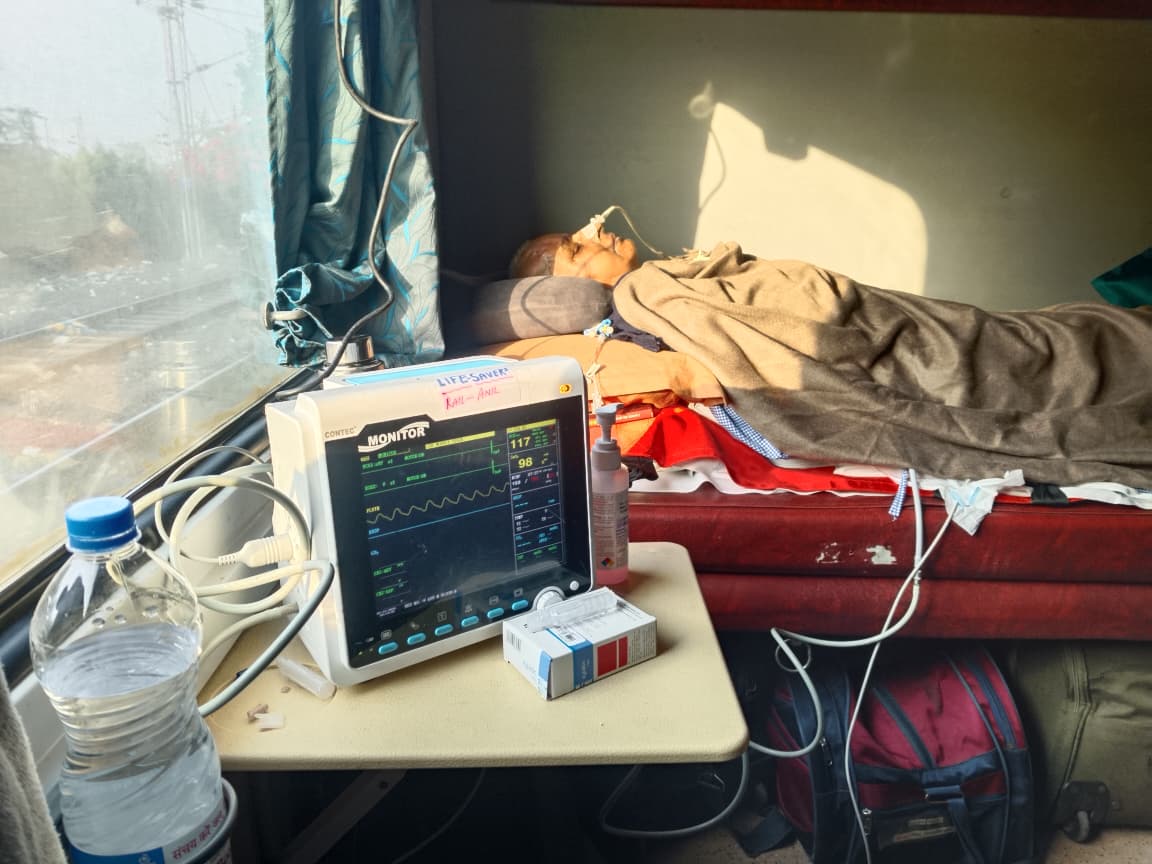
The rail ambulance was configured with:
- Continuous oxygen supply with backup cylinders
- Portable suction machine for airway clearance
- Monitoring equipment for oxygen saturation and vital signs
- Emergency medications and airway management tools
The patient was escorted by an ICU-trained paramedic, experienced in tracheostomy care, suctioning protocols, and early identification of respiratory distress.
Care During Transit
Throughout the journey:
- Regular suctioning was performed to prevent airway blockage
- Oxygen saturation was continuously monitored
- Tracheostomy site care and tube patency were maintained
- The patient remained comfortable and clinically stable
The focused one-to-one care provided by the paramedic ensured rapid response to any airway-related issues during transit.
Arrival and Handover
On arrival in Surat, the patient was safely handed over to the receiving medical team with a detailed clinical briefing, including oxygen requirements, suctioning frequency, and airway status. The transfer was completed without complications.
Clinical Perspective
This case highlights the effectiveness of Rail Ambulance Service in India for patients requiring prolonged respiratory support but not full mechanical ventilation. With the right planning, equipment, and trained medical personnel, train ambulance transport offers a safe and reliable solution for long-distance critical patient movement. Life Savers Ambulance Services continues to provide structured, dignified, and clinically sound transport solutions, ensuring that patients receive uninterrupted care even while on the move.