Train Ambulance From Rajeev Gandhi Cancer Hospital, Rohini To Siliguri
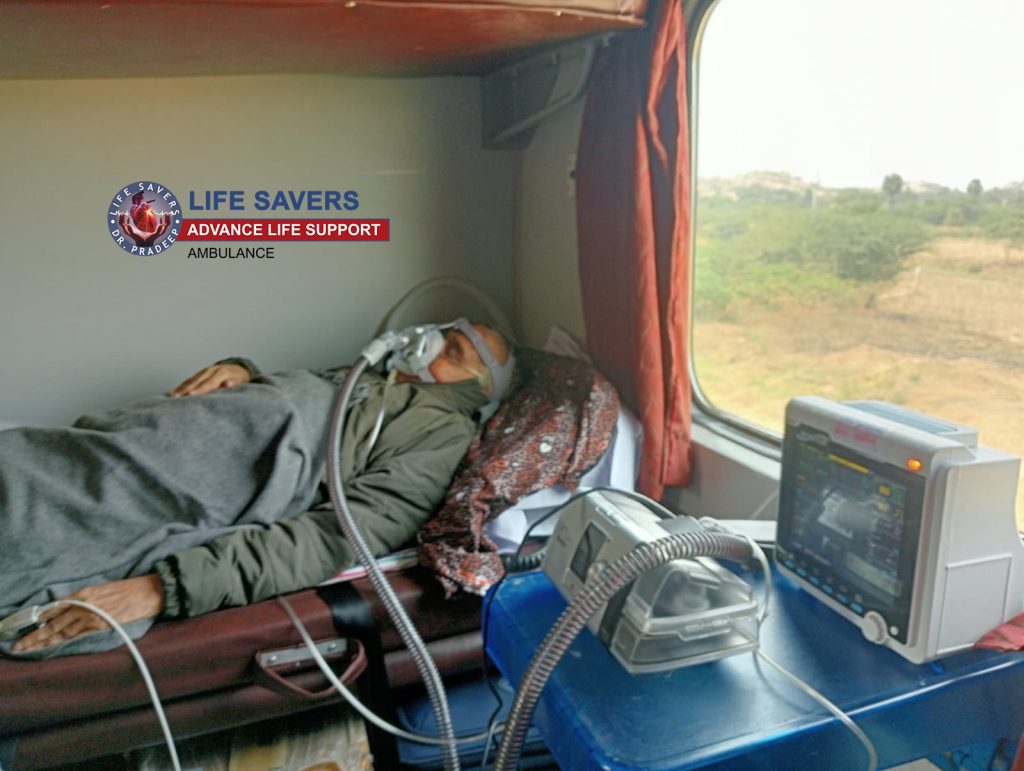
Long-distance transfers for oncology patients with advanced disease require a balance of medical support, comfort, and dignity. Life Savers Ambulance Services coordinated a compassionate and clinically supervised train ambulance transfer to ensure safe relocation closer to the patient’s home.
Case Overview
A 70-year-old male patient was shifted from Rajeev Gandhi Cancer Hospital, Rohini, Delhi to Siliguri using a Train Ambulance Service arranged by Life Savers Ambulance Services.
The transfer was carried out as a bed-to-bed train ambulance transport, ensuring continuity of care throughout the journey.
Patient Condition
The patient was a known case of Small Cell Carcinoma of the lungs, an aggressive form of lung cancer. At the time of transfer:
- The disease had progressed with a poor prognosis
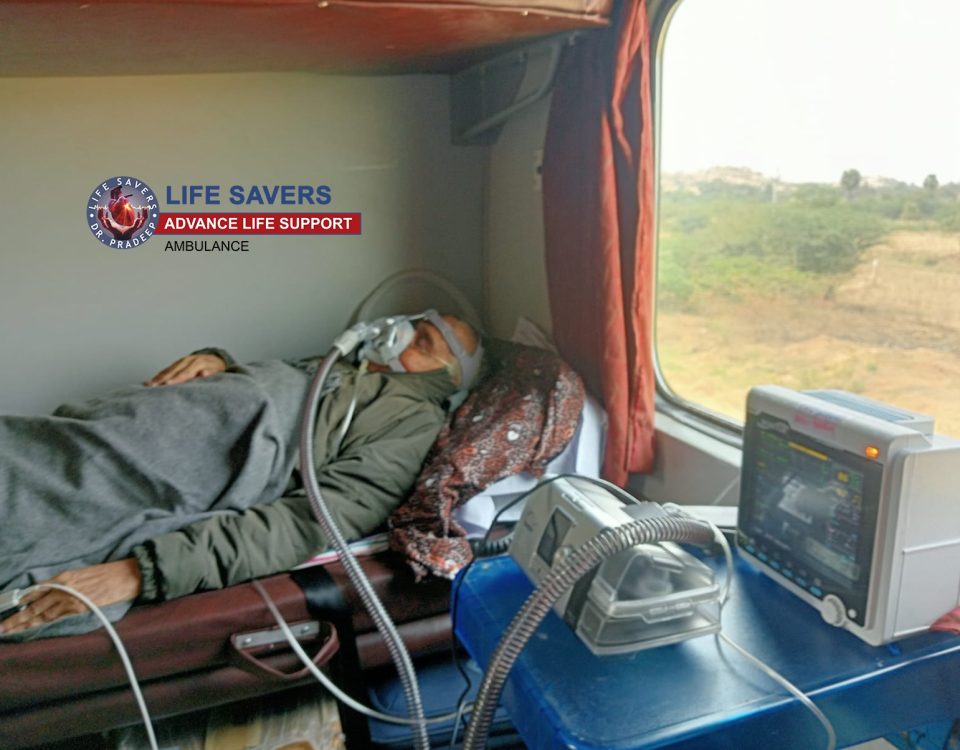
- The patient required continuous oxygen support at 3 L/min
- Respiratory status required close monitoring due to risk of CO₂ retention
- The patient was physically weak and dependent on assisted care
Given the advanced stage of illness, the focus of care during transfer was on stability, comfort, and symptom management.
Transport Decision
A Rail Ambulance Service in India was selected because:
- It allows a stable and less stressful environment for long-distance travel
- Continuous oxygen therapy and monitoring can be maintained
- Adequate space is available for patient positioning and supportive care
- It supports dignified relocation for patients returning to their native place
Life Savers ensured complete coordination of the bed-to-bed transfer, including ground ambulance support at both ends.
Medical Setup Onboard
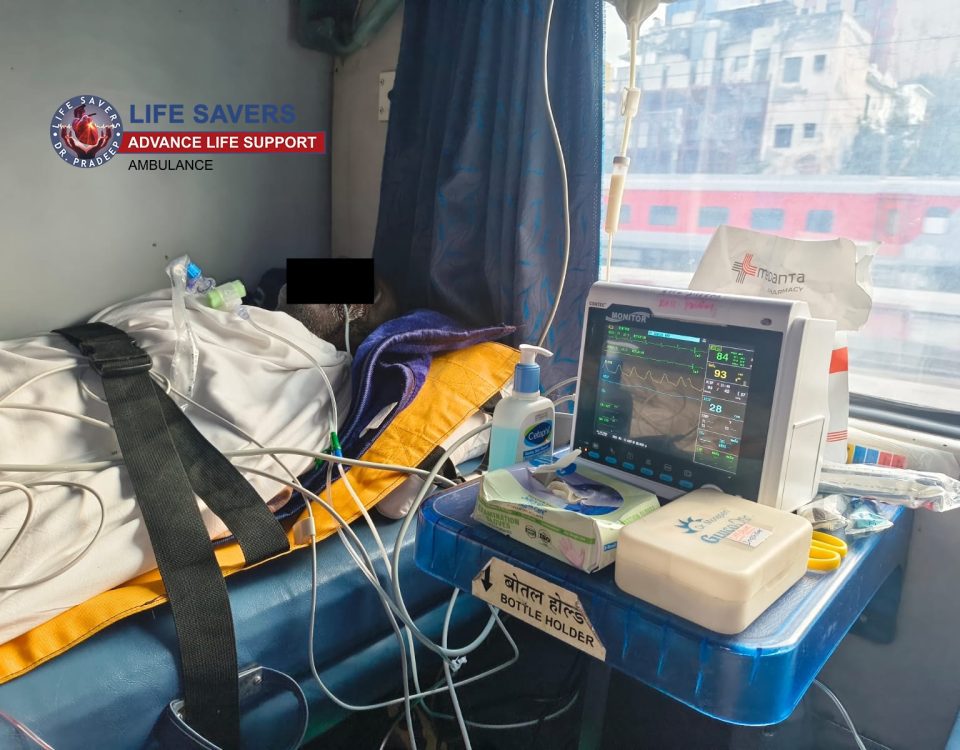
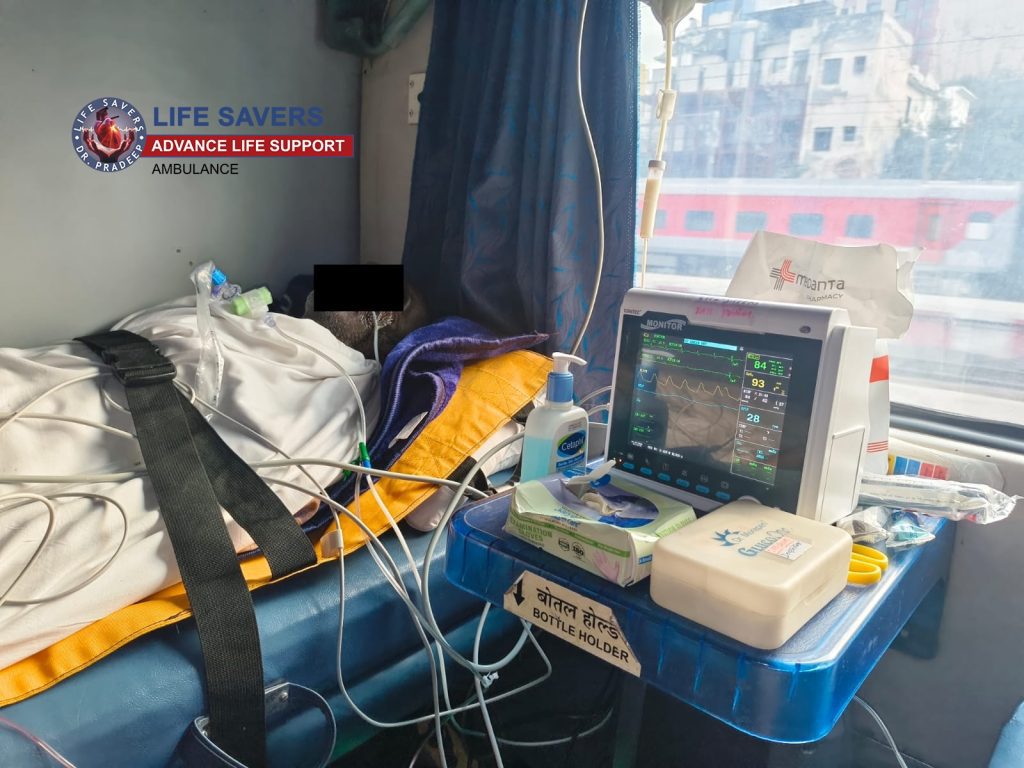
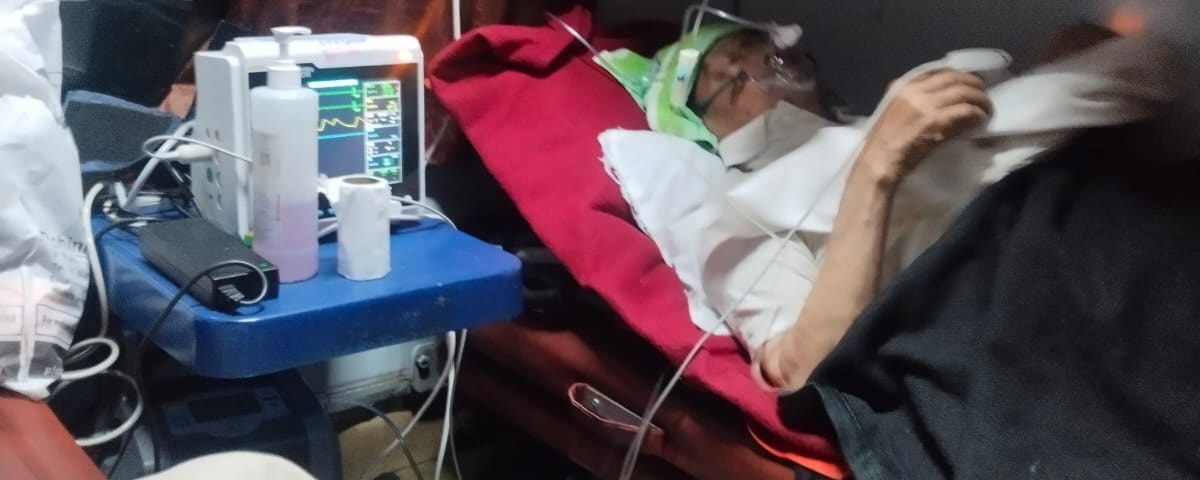
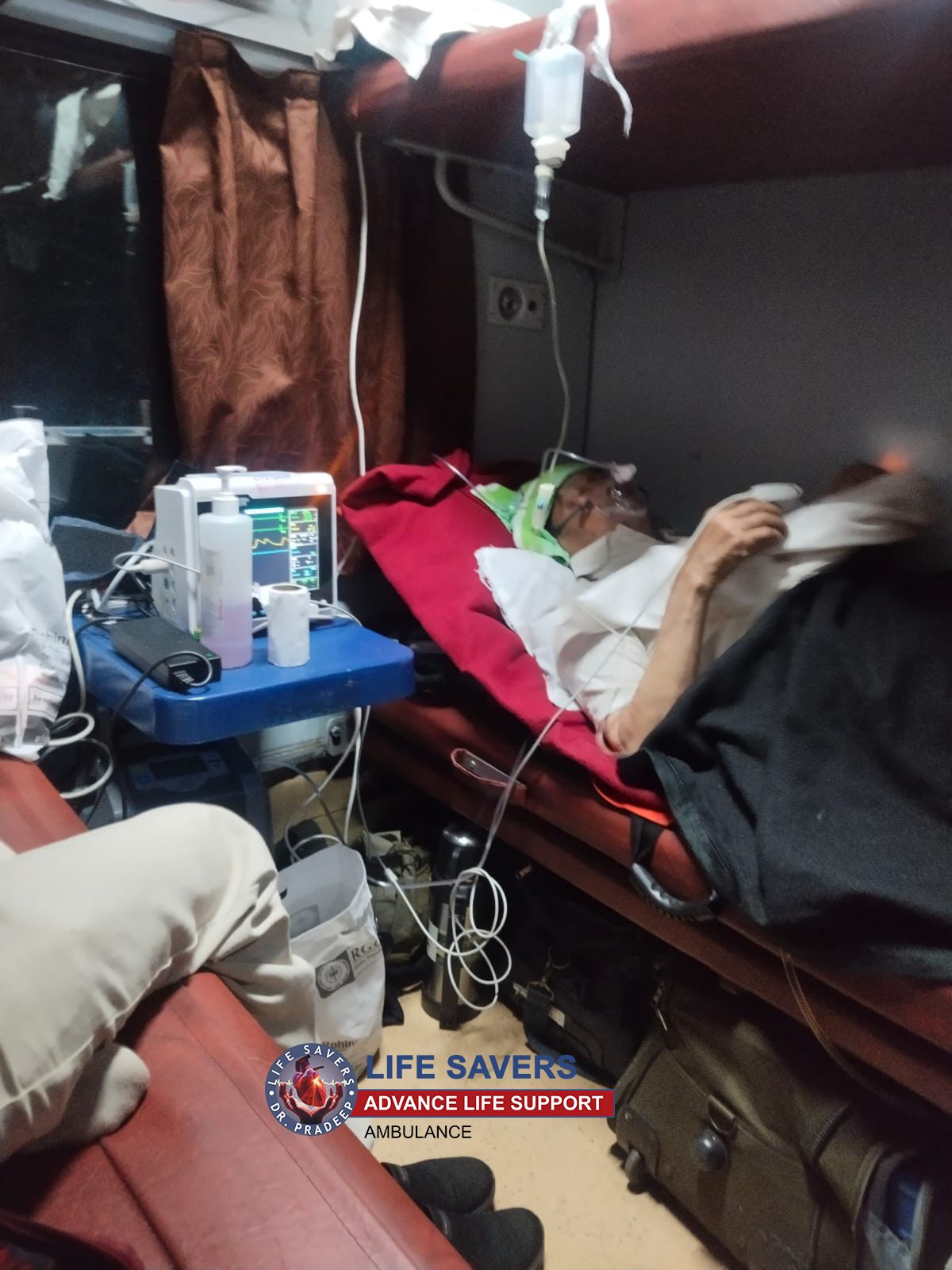
The train ambulance was equipped with a semi ICU setup, including:
- Continuous oxygen supply with backup
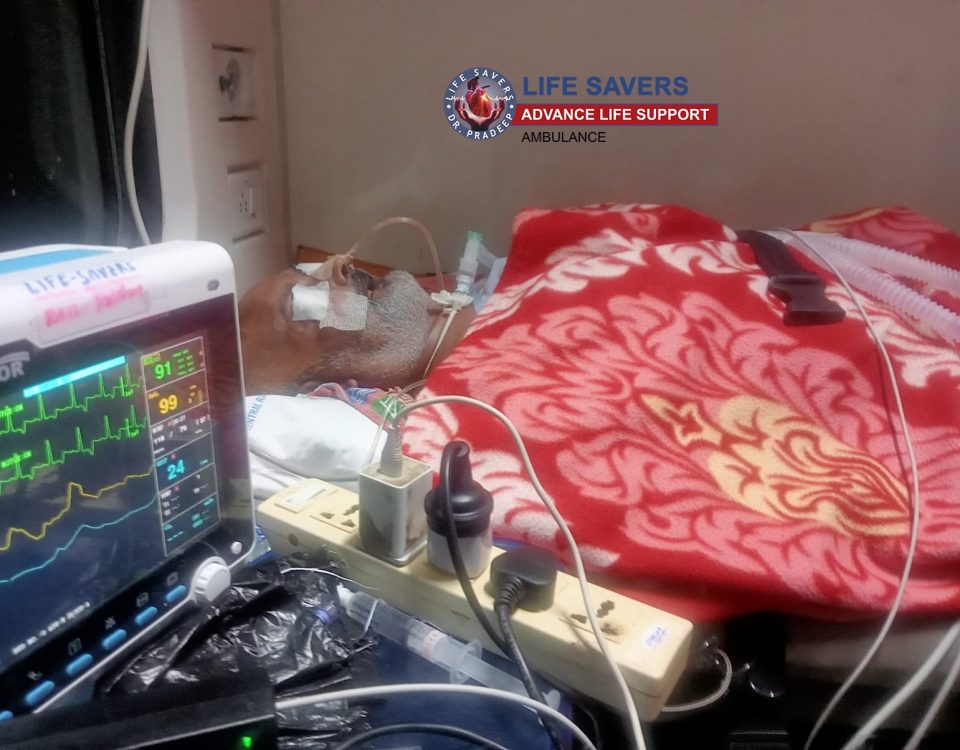
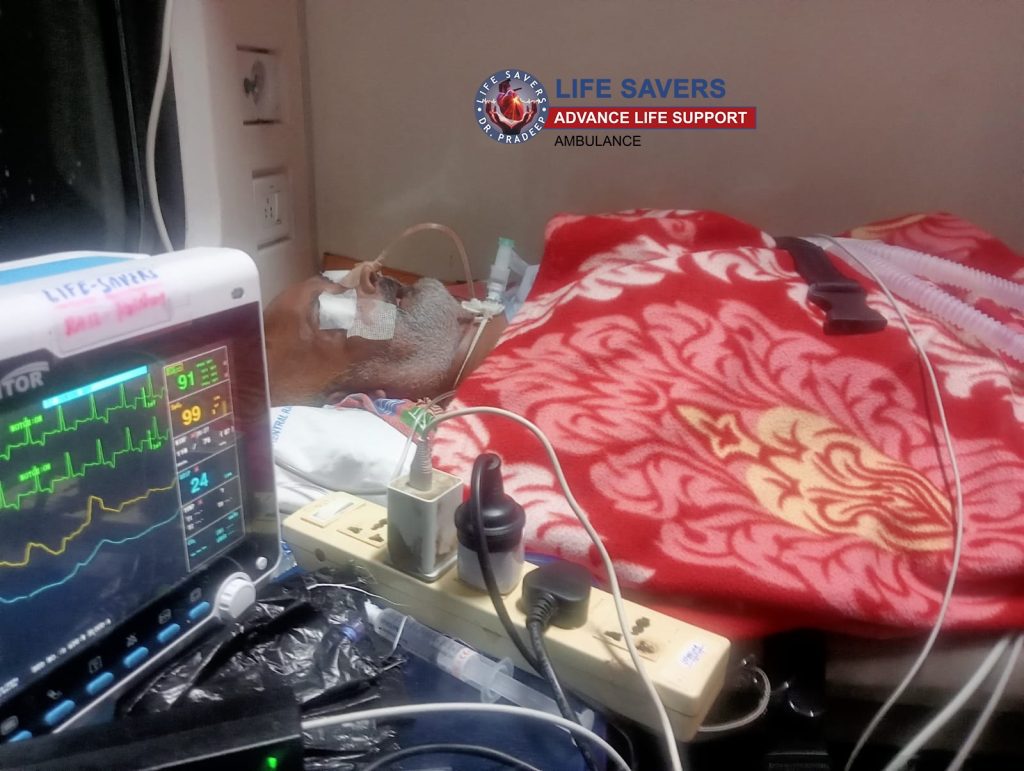
- Portable monitoring for vital parameters
- Nebulization setup for respiratory support
- Emergency medications and basic life support equipment
A critical care paramedic from Life Savers accompanied the patient throughout the journey.
Care During Transit
- During the Delhi to Siliguri transfer:
- Oxygen therapy was maintained at 3 L/min
- Regular nebulization was administered to support airway function
- Respiratory parameters were monitored, ensuring PCO₂ levels remained within acceptable limits
- Positioning and supportive care were provided to maintain comfort
All necessary steps were taken to ensure a calm, stable, and dignified journey for the patient.
Arrival and Handover
On arrival in Siliguri, the patient was safely handed over to the receiving medical team with a complete clinical update. The transfer was completed smoothly without complications.
Clinical Perspective
Patients with advanced lung cancer require careful respiratory management during long-distance transfers. Monitoring oxygen therapy, preventing CO₂ retention, and ensuring comfort are essential components of safe transport. This case reflects the importance of structured planning, clinical supervision, and compassionate care during Train Ambulance transfers. Life Savers Ambulance Services, supported by experienced critical care professionals, continues to provide safe and dignified transport solutions for patients across India.