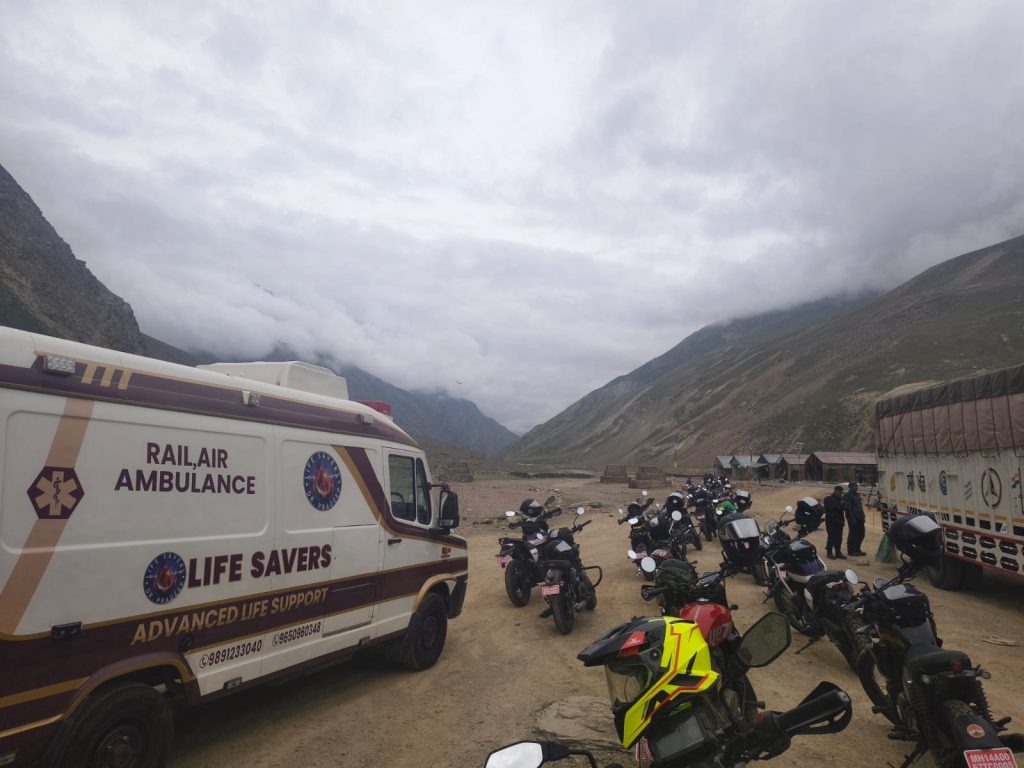
Rail Ambulance from Pune to BLK Max Hospital, Delhi: Transferring a Bedridden Cancer Patient with Semi-ICU Setup, Oxygen Support, and Catheter Care
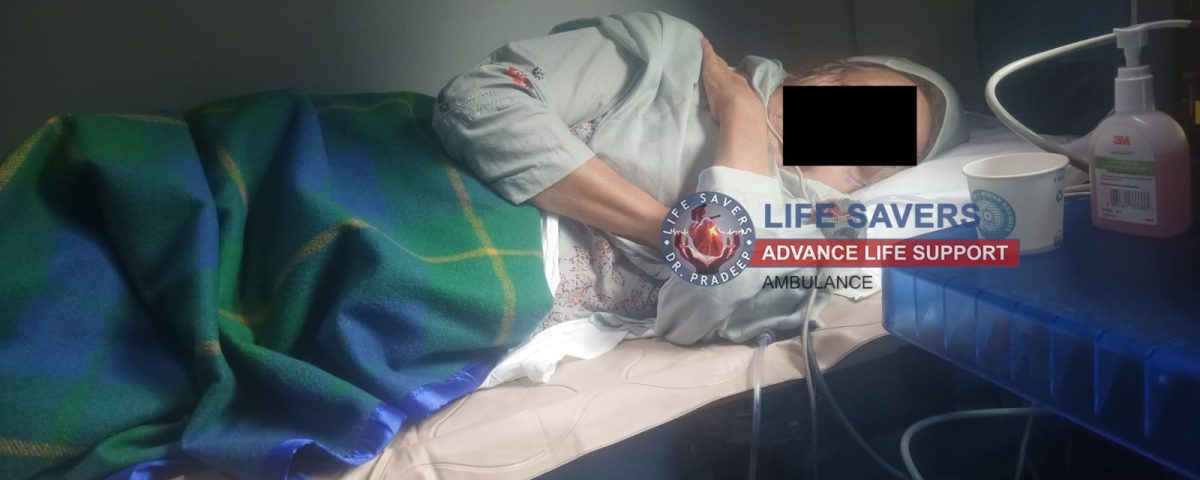
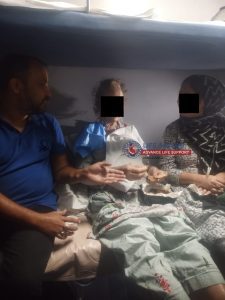
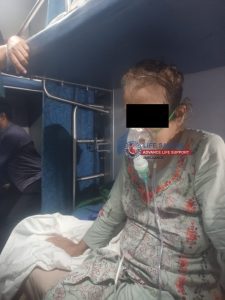
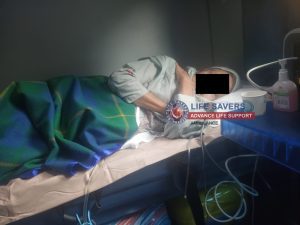
A 73-year-old woman in Pune, bedridden and diagnosed with non-Hodgkin's lymphoma, needed to reach BLK Max Super Speciality Hospital in Delhi for advanced cancer treatment. She was on 3-litre continuous oxygen, had a Foley catheter in place, was being fed through a Ryle's tube, and had developed bed sores from prolonged immobility. This was not a patient you could put in a car, or on a flight with a wheelchair, or manage with a family member and a portable oxygen can. She needed a medically supervised transfer across 1,500 kilometres, and her family needed it to happen without making her condition worse in the process.
Life Savers Ambulance arranged a rail ambulance from Pune to Delhi with a semi-ICU setup onboard, and the patient was delivered safely to BLK Max.
Why This Transfer Was More Complex Than a Typical Rail Ambulance Case
Every long-distance patient transfer has its own medical profile, but this one stacked several layers of complexity on top of each other.
The non-Hodgkin's lymphoma diagnosis meant the patient was immunocompromised. Her body's ability to fight infection was already weakened by the disease and any prior treatment. That changes the entire approach to transfer. The coupe environment needed to be as clean and controlled as possible. Every piece of equipment that touched the patient had to be sanitised. The paramedic had to manage the catheter and feeding tube with a level of hygiene discipline that goes beyond what a standard ambulance transfer demands, because even a minor infection in a lymphoma patient can escalate quickly.
The bed sores added another dimension. A bedridden patient on a 20-plus hour rail journey will develop new pressure injuries or worsen existing ones unless repositioning happens at regular intervals, with proper technique. For a 73-year-old woman who is fragile, on oxygen, with tubes in place, repositioning is not as simple as turning her over.
It requires careful coordination so that the catheter line is not kinked, the Ryle's tube is not dislodged, the oxygen cannula stays in place, and the movement itself does not cause pain or destabilise her vitals. Our paramedic managed scheduled repositioning throughout the journey specifically to address this.
The 3-litre continuous oxygen requirement was higher than the standard 1 to 2 litre flow seen in many rail ambulance cases. Over a journey of this length, that translates to a substantially higher total oxygen consumption. We carried enough cylinder capacity to sustain 3 litres per minute for the full journey plus a significant buffer, because the Pune to Delhi rail route is long and delays are common.
And the Foley catheter and Ryle's tube needed active management throughout transit. The catheter bag had to be monitored for output volume and any signs of infection or blockage. The Ryle's tube feeding had to continue on schedule because a cancer patient already weakened by the disease cannot afford missed nutrition. The paramedic managed both of these alongside vitals monitoring and oxygen management, which is why we assign experienced critical-care trained staff to cases like this, not general-duty attendants.
What the Semi-ICU Setup Included for This Case
The semi-ICU configuration for this patient was not a generic package. It was tailored to her specific medical requirements.
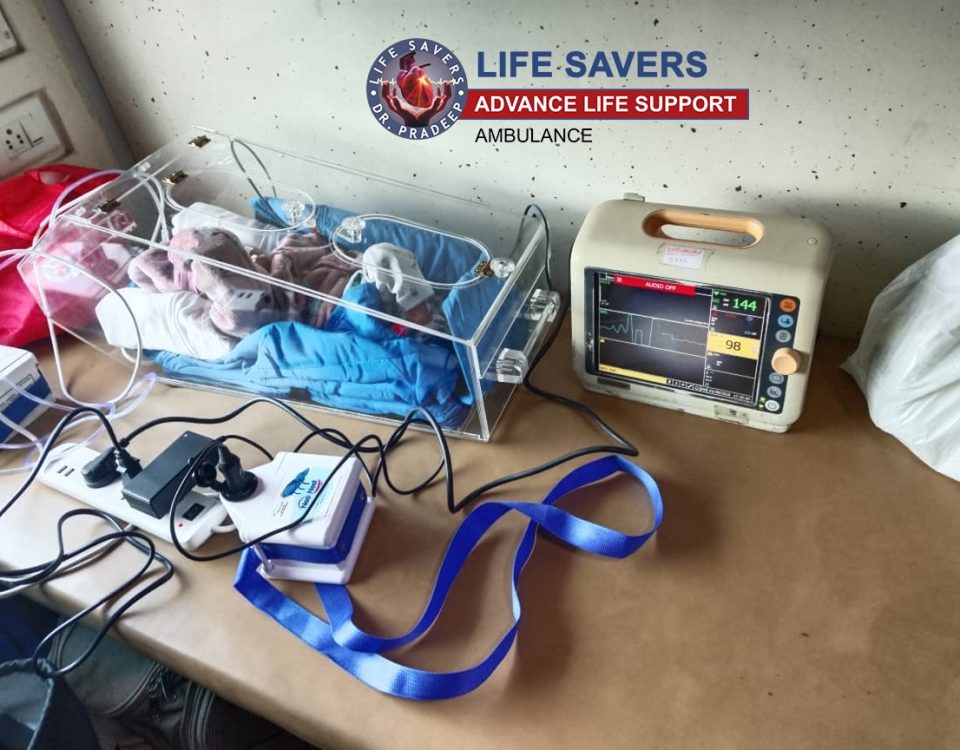
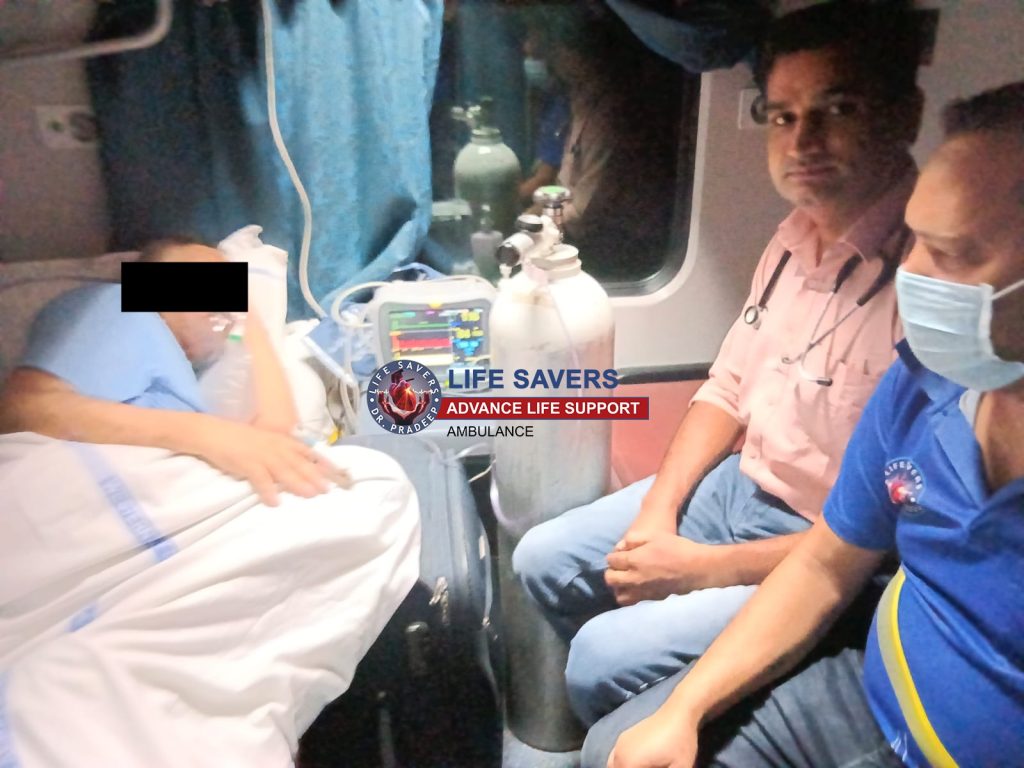
The cardiac monitor tracked heart rate, blood pressure, and SpO2 continuously. For a patient on 3-litre oxygen with an underlying blood cancer, any drop in oxygen saturation is clinically significant and needs immediate attention. The monitor alarmed at preset thresholds so the paramedic could intervene even if the change happened while he was managing the catheter or tube feeding.
The oxygen delivery system consisted of multiple medical-grade portable cylinders with flow regulators set at the prescribed 3-litre rate. Backup cylinders were loaded to account for journey delays of up to 6 hours beyond the scheduled arrival. The paramedic checked cylinder pressure at regular intervals and documented every switch.
The suction apparatus was carried specifically because a patient with a Ryle's tube and compromised oral intake can accumulate secretions that pose an aspiration risk. Having suction available is not optional for this patient profile.
The emergency drug kit was stocked with medications relevant to the patient's condition, including drugs for blood pressure management, seizure control, pain relief, and antibiotics in case of any catheter-related infection signs during transit.
IV access was maintained throughout the journey for hydration and any emergency medication delivery.
Bed sore care supplies, including medicated dressings, barrier cream, and pressure-relief padding, were carried onboard. The paramedic cleaned and redressed the existing sores during the journey according to the care protocol shared by the treating hospital in Pune.
How the Transfer Was Coordinated from Pune to BLK Max, Delhi
The coordination for a case this complex starts days before the actual travel date, not the morning of.
Our medical coordination team connected with the treating doctors in Pune to get a complete clinical picture. This included the current staging and treatment history of the non-Hodgkin's lymphoma, the patient's haemoglobin and platelet counts (critical for assessing bleeding risk during transfer), her current oxygen requirement and whether it had been stable or trending upward, the Foley catheter insertion date and last change (to assess infection risk), the Ryle's tube feeding schedule and formula, and the bed sore grading and current treatment protocol. All of this information went into the transfer plan that our onboard paramedic followed throughout the journey.
On the day of transfer, a ground ambulance with basic life support picked up the patient from her location in Pune and transported her to the railway station. The stretcher used for pickup was the same stretcher she remained on for the entire journey. For a patient with bed sores and multiple lines, every unnecessary shift between surfaces is a risk of skin breakdown, tube dislodgement, or pain. We eliminated all avoidable transfers.
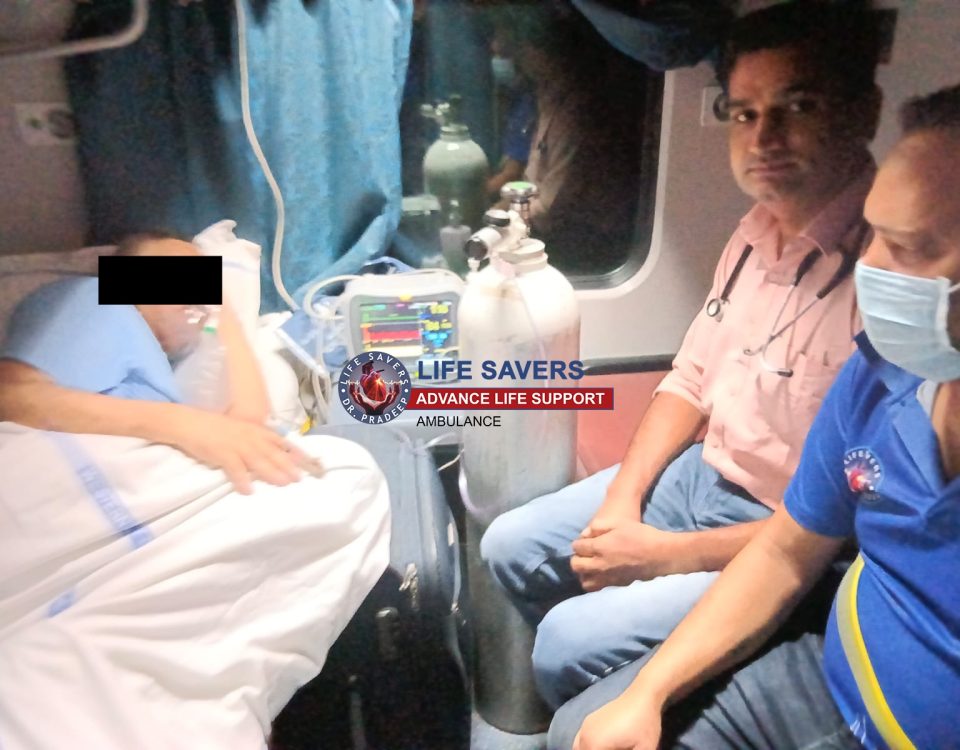
At the station, our ground team handled stretcher loading into the reserved AC first-class coupe. The semi-ICU equipment was pre-positioned inside the coupe before the patient arrived, so the setup was ready the moment she was loaded. Oxygen was connected, the monitor was on, and the first vitals check was completed before the train left the platform.
Throughout the journey, the paramedic maintained a detailed clinical log covering vitals at fixed intervals, oxygen flow rate and cylinder status, catheter output volume and appearance, Ryle's tube feeding times and any tolerance issues, repositioning times and skin assessment notes, and any medications administered. This log was handed over to the medical team at BLK Max along with the patient, so the receiving doctors had a complete picture of her status during transit.
On arrival in Delhi, a second ground ambulance was waiting at the station for direct transfer to BLK Max Super Speciality Hospital on Pusa Road. The patient reached the hospital on the same stretcher she left Pune on, with her oxygen running, lines intact, and a full clinical handover document ready for the receiving team.
Why BLK Max, and What Families Should Know About Cancer Treatment Transfers to Delhi
BLK Max Super Speciality Hospital is one of Delhi's leading centres for haematology and oncology, and it is a common destination for cancer patients being referred from hospitals across India. Families in Pune, Mumbai, Ahmedabad, Kolkata, Patna, and other cities are frequently advised by local oncologists to transfer to BLK Max or similar Delhi cancer centres for advanced treatment options including specific chemotherapy protocols, bone marrow transplants, or clinical trials that may not be available locally.
What these families often discover is that arranging the transfer is harder than getting the referral. A bedridden cancer patient with oxygen dependency, catheters, and feeding tubes cannot fly commercial. Air ambulance is prohibitively expensive for most families already facing cancer treatment costs. And road ambulance over 1,500 kilometres is medically risky and physically exhausting for a patient in this condition.
Rail ambulance fills this gap. It is safe, affordable relative to air, clinically supervised, and available on one of India's best-connected rail corridors. Pune to Delhi by Rajdhani or superfast train takes approximately 18 to 24 hours depending on the service, and a semi-ICU equipped coupe keeps the patient medically stable for the entire duration.
If your oncologist has referred your family member to BLK Max or any other Delhi hospital for cancer care, and you are trying to figure out how to get them there safely, this is the service that does it.
Frequently Asked Questions
Book a Rail Ambulance from Pune to BLK Max, Delhi
If your family member has been referred to BLK Max or any other hospital in Delhi for cancer treatment and needs a safe, medically supervised transfer from Pune, call Life Savers Ambulance. We handle semi-ICU and full ICU rail ambulance transfers for cancer patients, stroke patients, cardiac patients, and any bedridden or oxygen-dependent individual who needs to travel long distance.
We will speak with your treating hospital, assess rail suitability, and build a complete transfer plan covering medical setup, logistics, and cost within hours.
Life Savers Ambulance provides rail ambulance, road ambulance, and air ambulance services across India. Every transfer includes trained medical staff, clinical-grade equipment, and end-to-end coordination from hospital discharge to destination admission.