Long Distance Medical Road Ambulance From CMC, Vellore to Guwahati
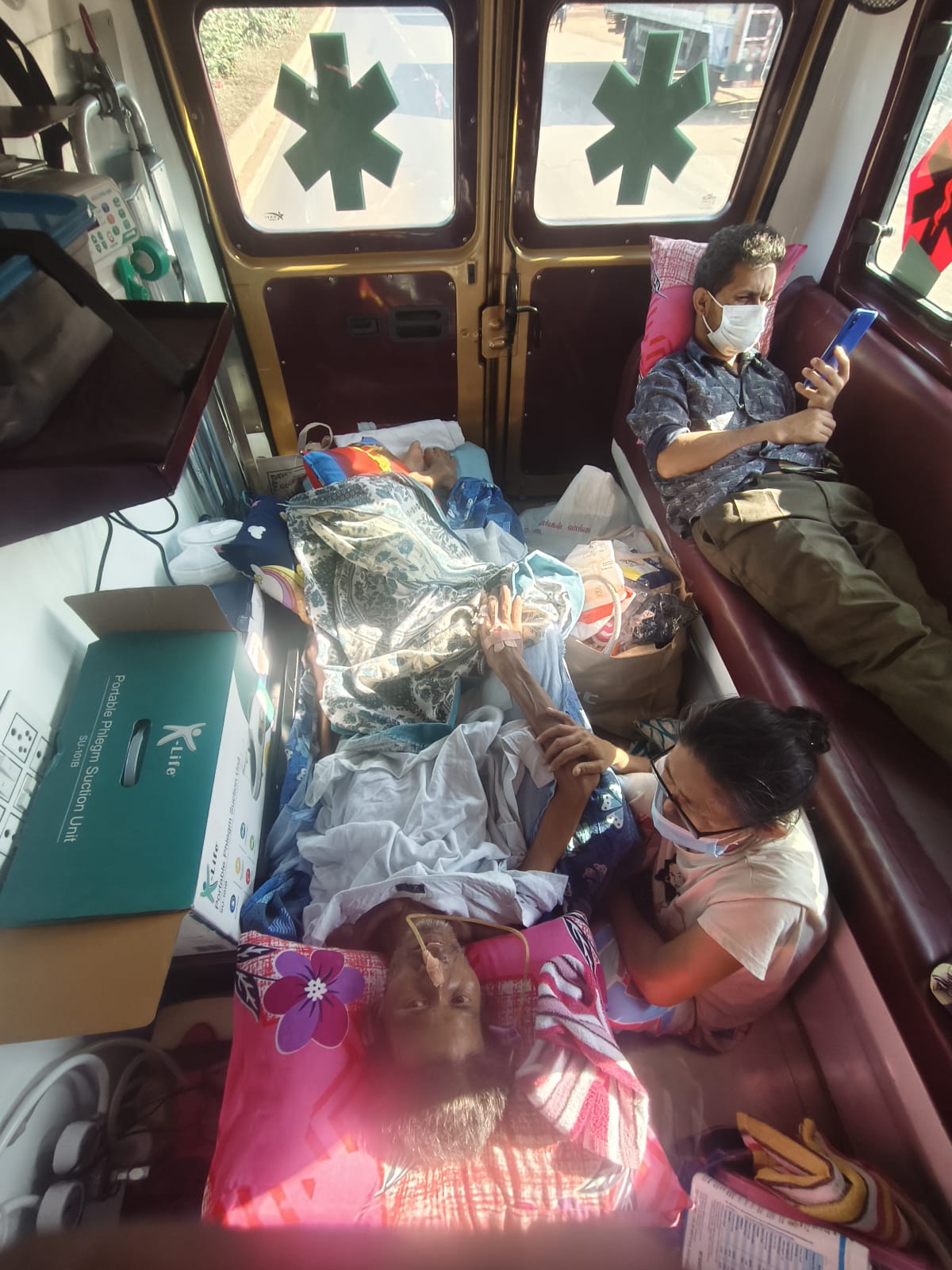
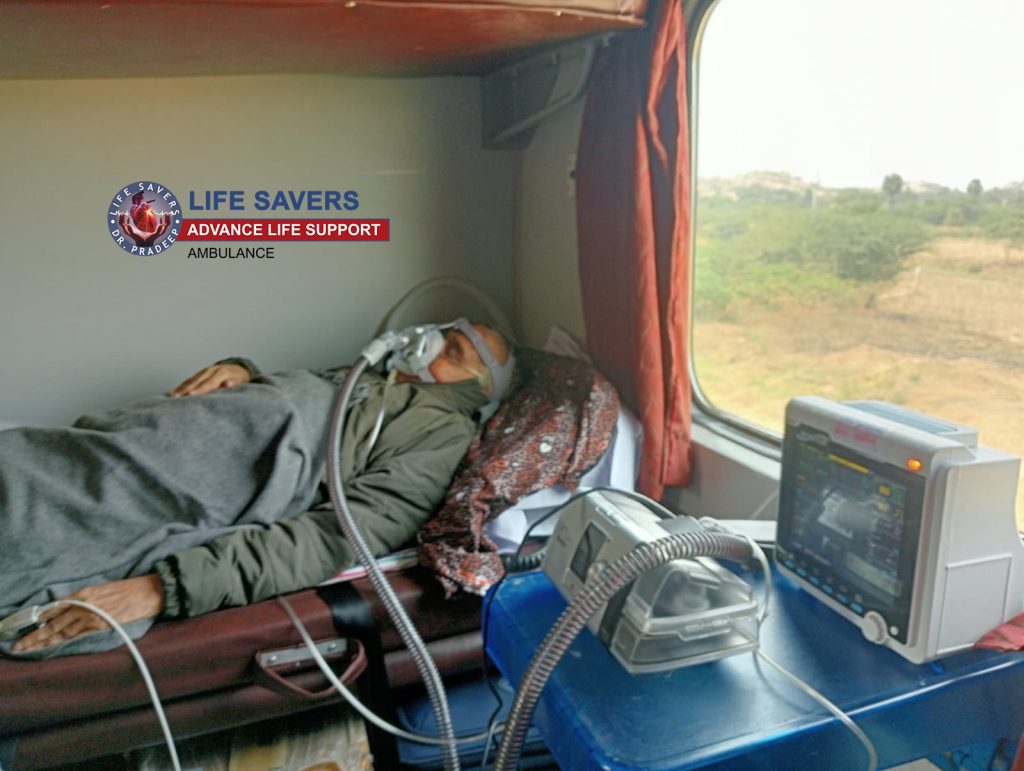
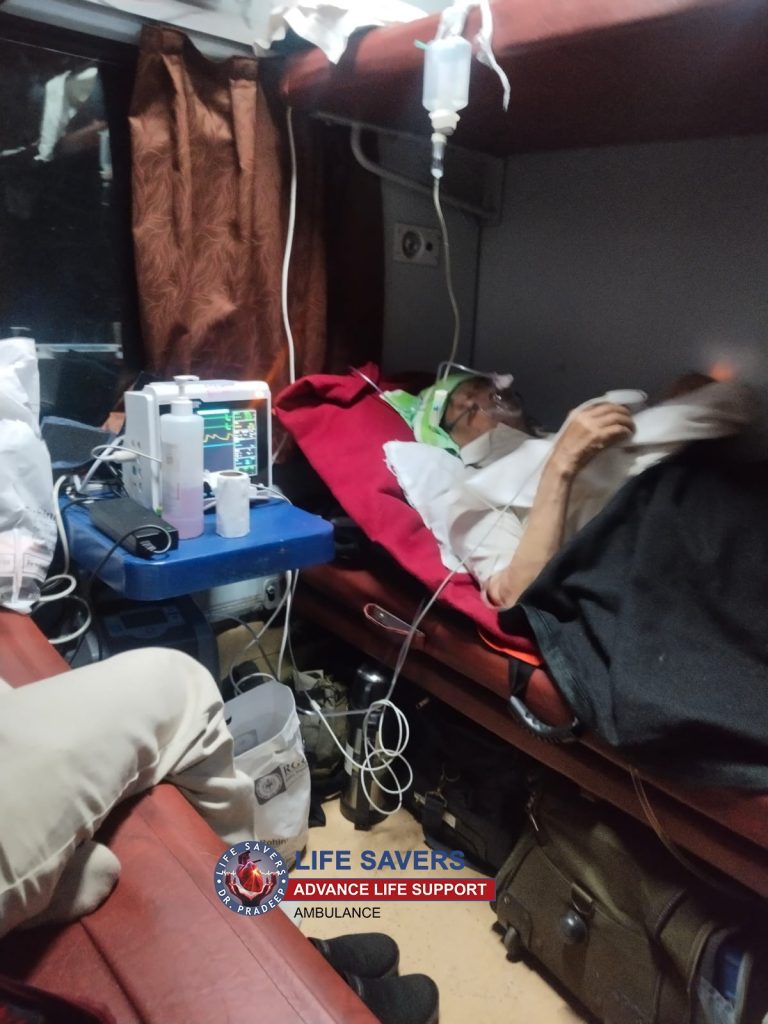
Long-distance patient transfers require careful clinical planning, particularly when respiratory illness and recent ventilator dependency are involved. Life Savers Ambulance Services managed a medically supervised intercity road transfer, ensuring stable respiratory support and continuous monitoring throughout the journey.
Case Overview
A 88-year-old female patient was shifted from CMC, Vellore to Guwahati through a long-distance medical road ambulance arranged by Life Savers Ambulance Services. The transfer was organized as a bed-to-bed medical transport, allowing uninterrupted care from the referring hospital to the receiving facility.
Patient Condition
The patient was diagnosed with tuberculosis, which had previously caused severe respiratory compromise requiring mechanical ventilation. By the time of transfer:
- He had been successfully weaned off the ventilator
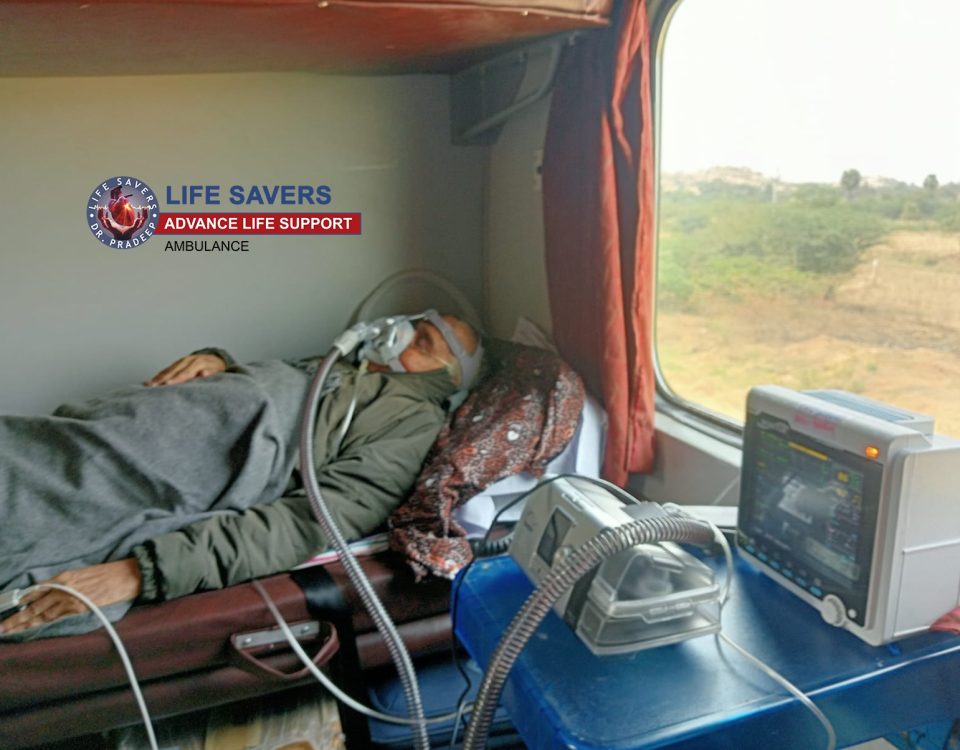
- Required continuous oxygen support at 2 L/min
- Remained physically weak after prolonged illness
- Needed close respiratory monitoring during travel
Although clinically stable, the recent history of ventilator support meant the patient remained vulnerable to fatigue or sudden respiratory distress.
Transport Decision
Given the need for relocation over a very long distance, a long-distance road ambulance transfer was carefully planned. This allowed:
- Continuous oxygen delivery
- Real-time monitoring of respiratory status
- Controlled movement with scheduled clinical checks
- A structured bed-to-bed transport plan
Life Savers coordinated all aspects of the transfer, including medical equipment preparation, route planning, and rest protocols for the journey.
Medical Setup and Support
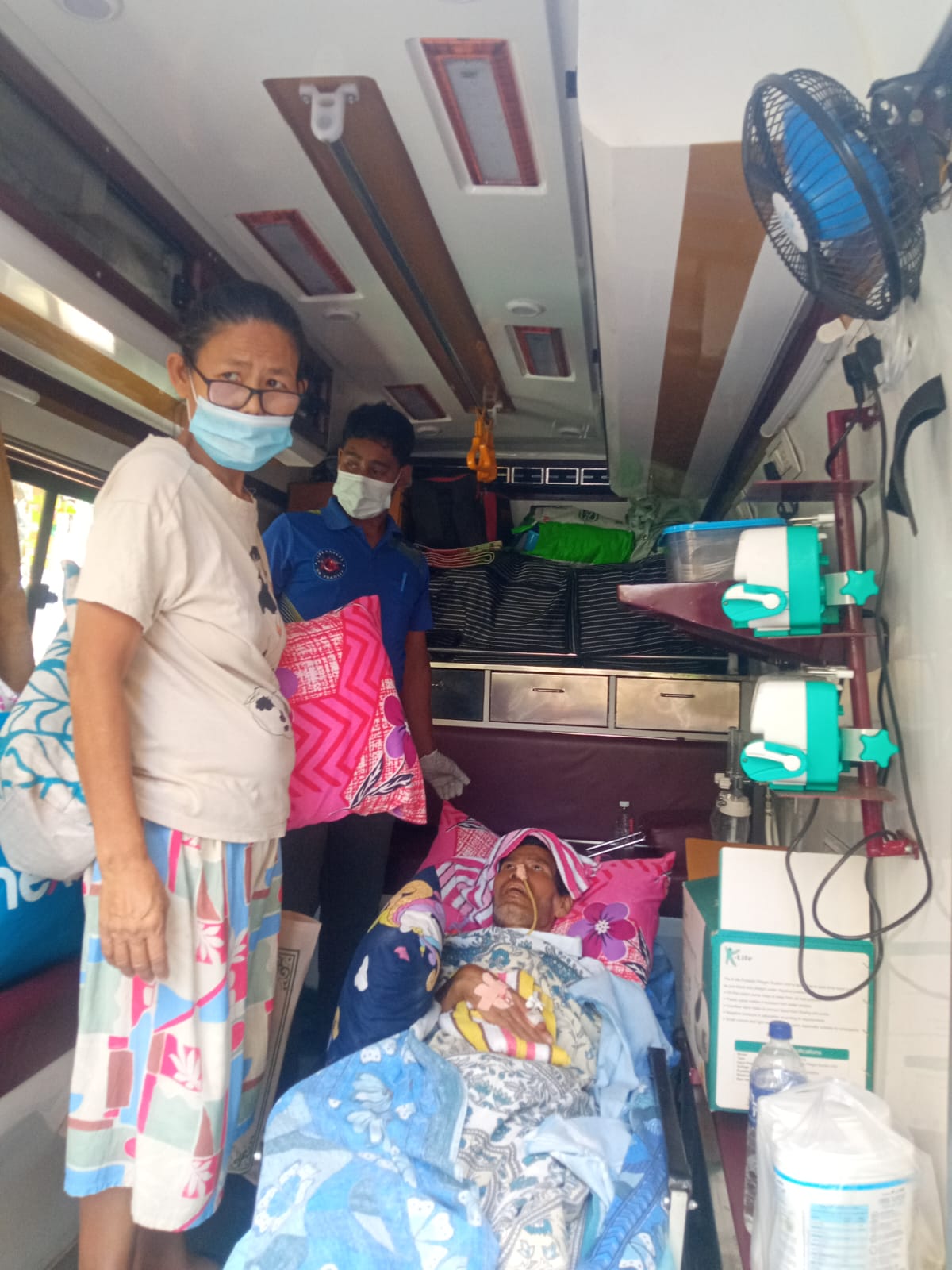
The ambulance was equipped with essential critical care support, including:
- Continuous oxygen supply with adequate backup cylinder
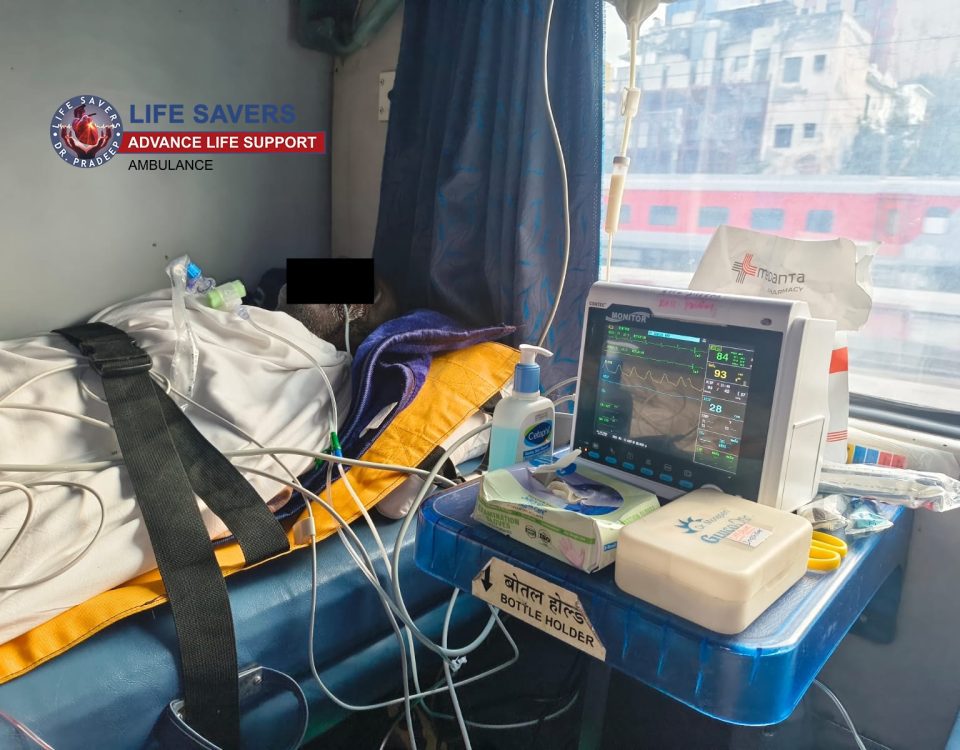
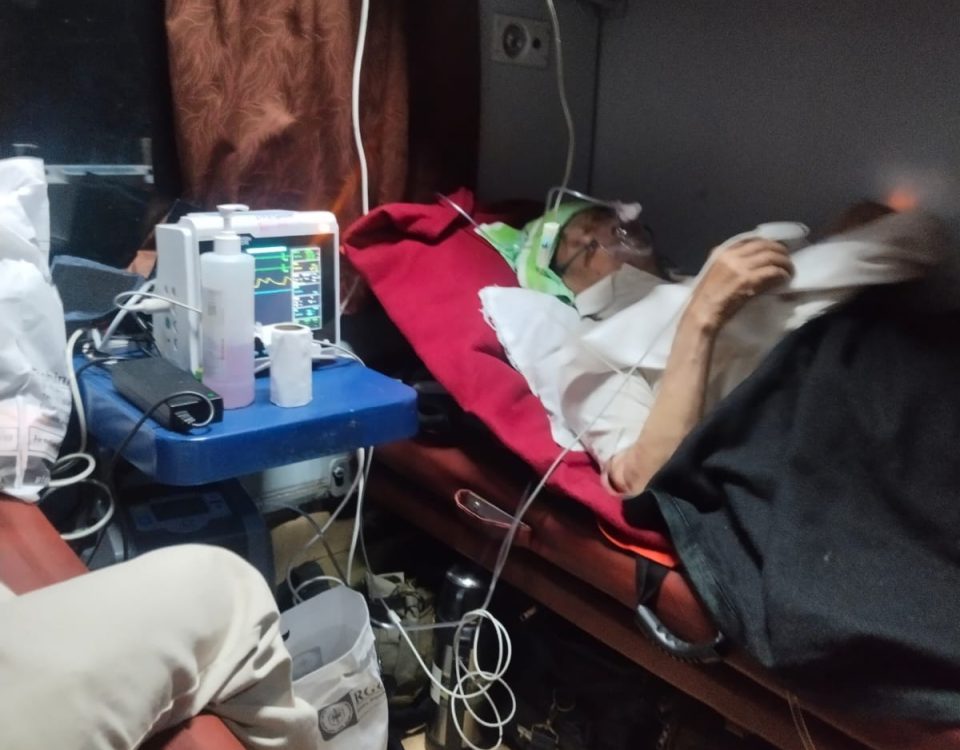
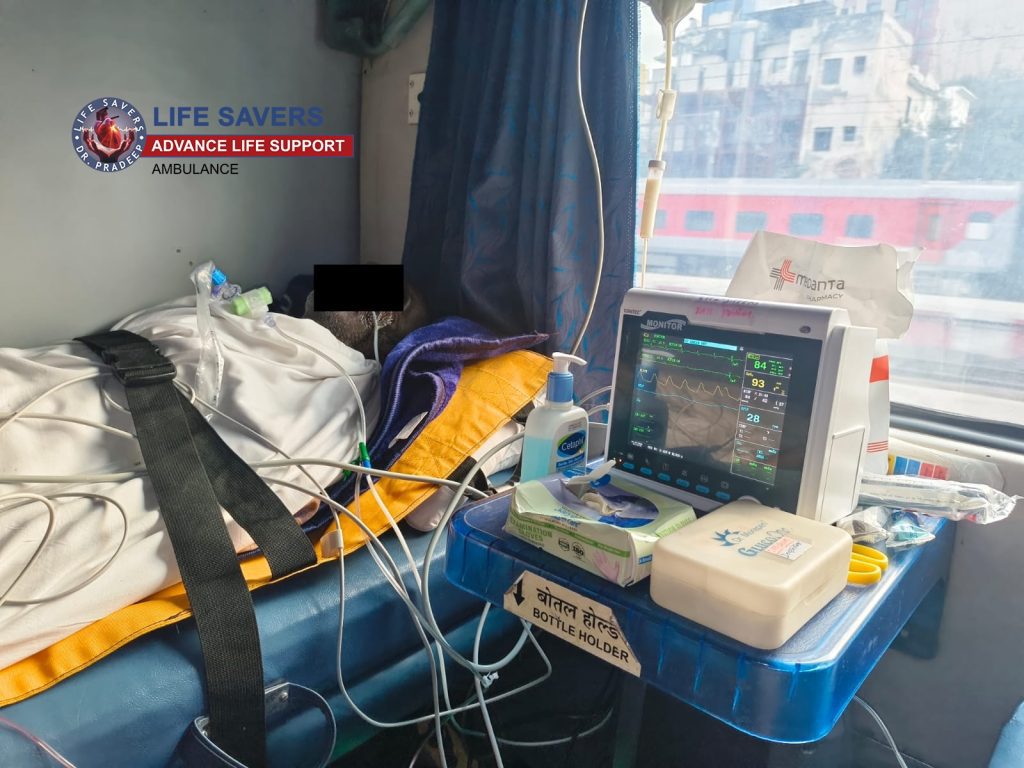
- Multiparameter monitoring for oxygen saturation and vital signs
- Emergency medications and airway management equipment
The patient was accompanied by a trained ICU paramedic, experienced in managing respiratory cases during extended transport.
Care During Transit
During the Vellore to Guwahati journey:
- Oxygen therapy was maintained steadily at 2 L/min
- Respiratory status and oxygen saturation were monitored regularly
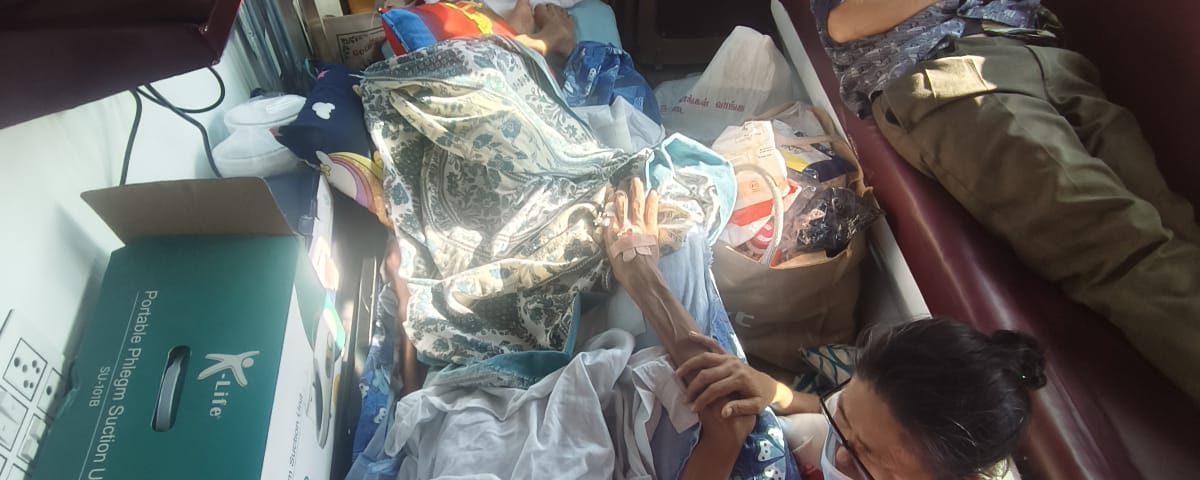
- The patient was positioned comfortably to reduce fatigue
- Periodic clinical assessments ensured early identification of any changes
Despite the long distance involved, the patient remained stable throughout the journey.
Arrival and Handover
On reaching Guwahati, the patient was safely handed over to the receiving medical team with a complete clinical update regarding oxygen requirements, respiratory history, and observations during transit.
Clinical Perspective
Patients recovering from severe pulmonary infections such as tuberculosis often require careful monitoring even after ventilator support has been discontinued. Structured planning, oxygen management, and trained medical supervision are essential for safe long-distance transfers.
Through coordinated logistics and continuous monitoring, Life Savers Ambulance Services ensured that this complex intercity transfer was completed safely, supporting the patient’s ongoing recovery closer to home.