Life Savers Medical Escort for Indian Army for Kargil Vijay Diwas Bike Expedition
Some ambulance journeys begin with a patient.
This one began with a convoy.
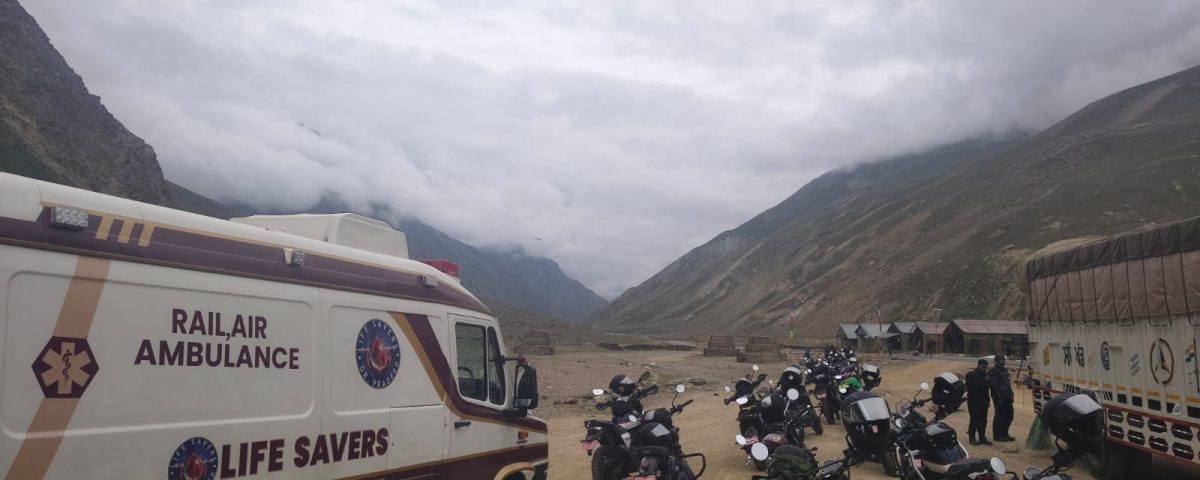
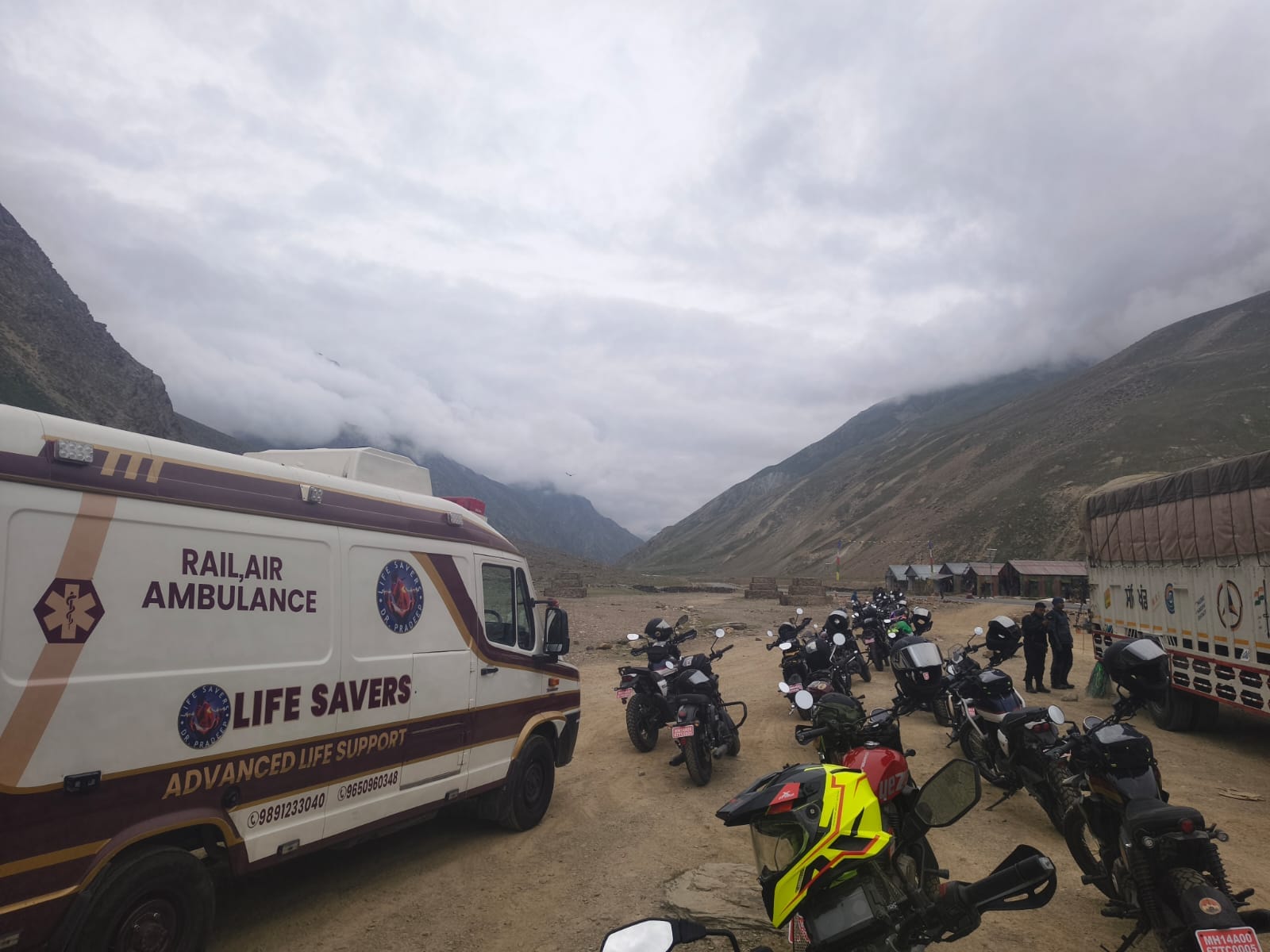
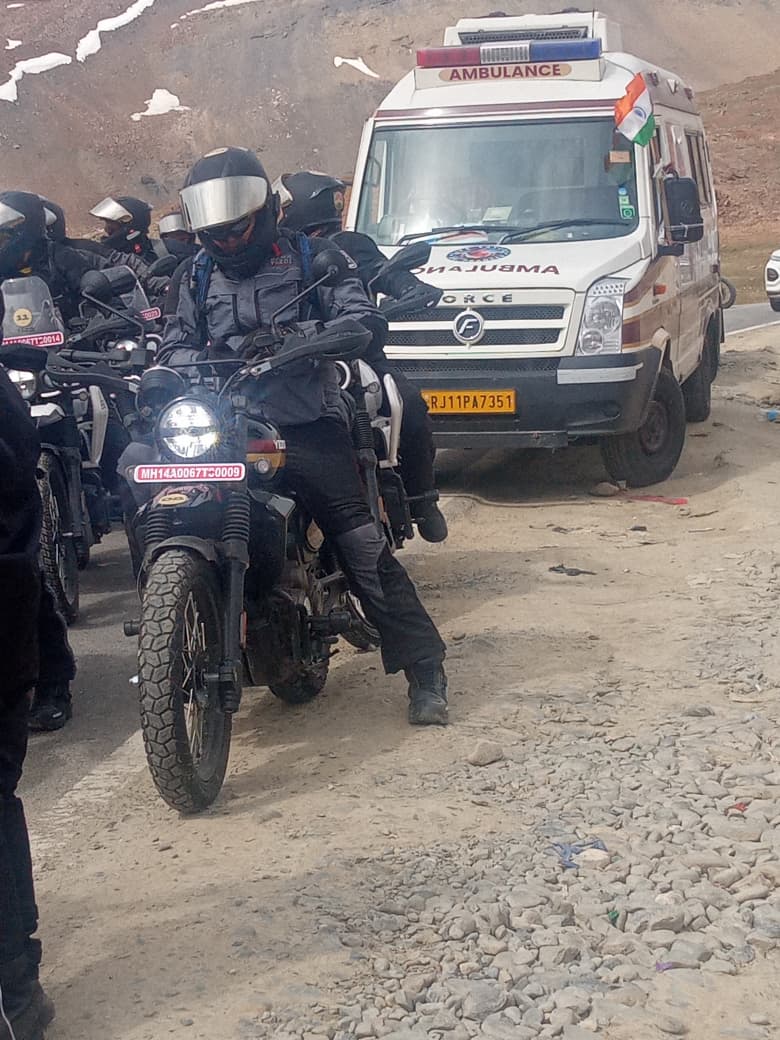
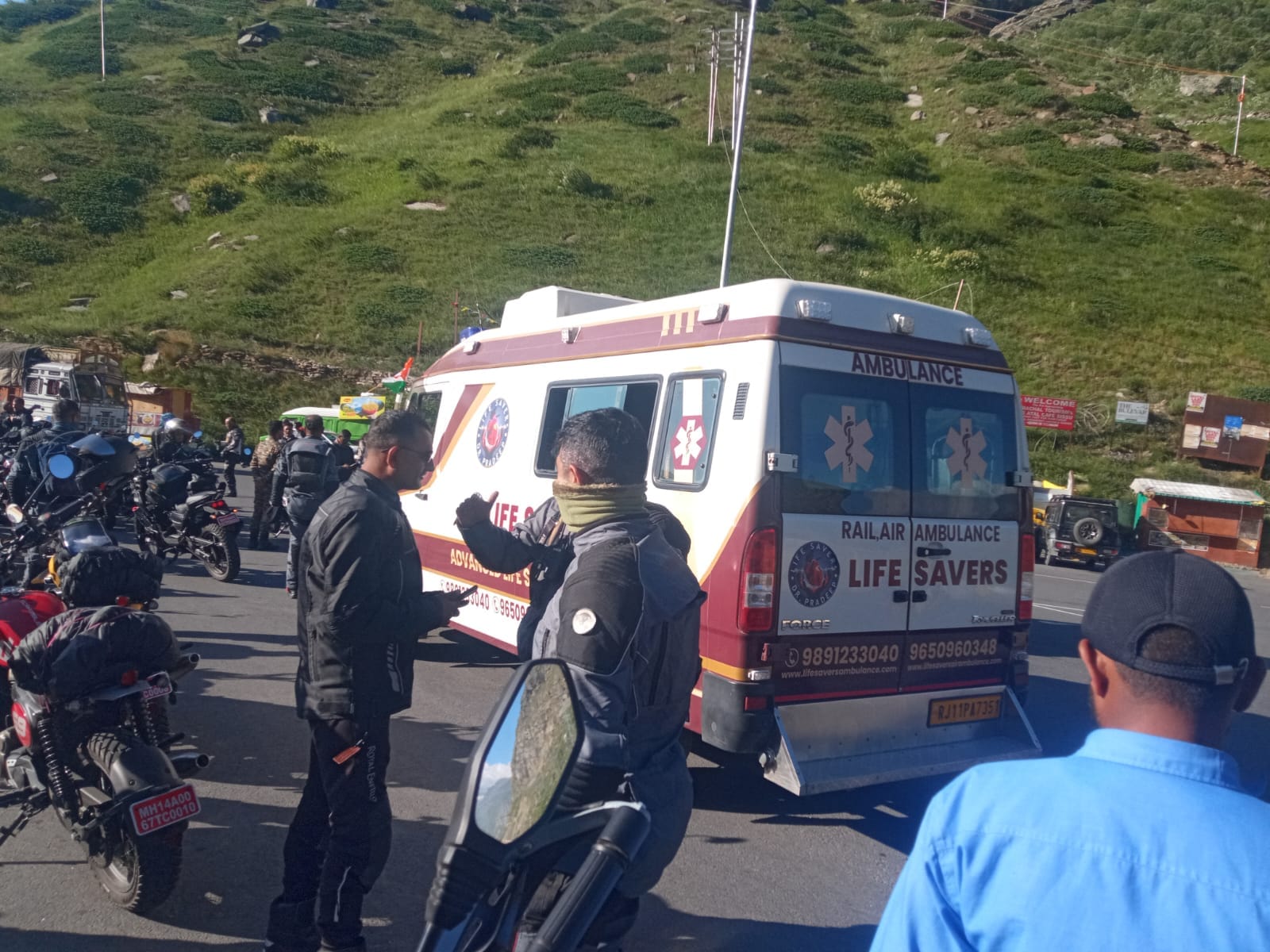
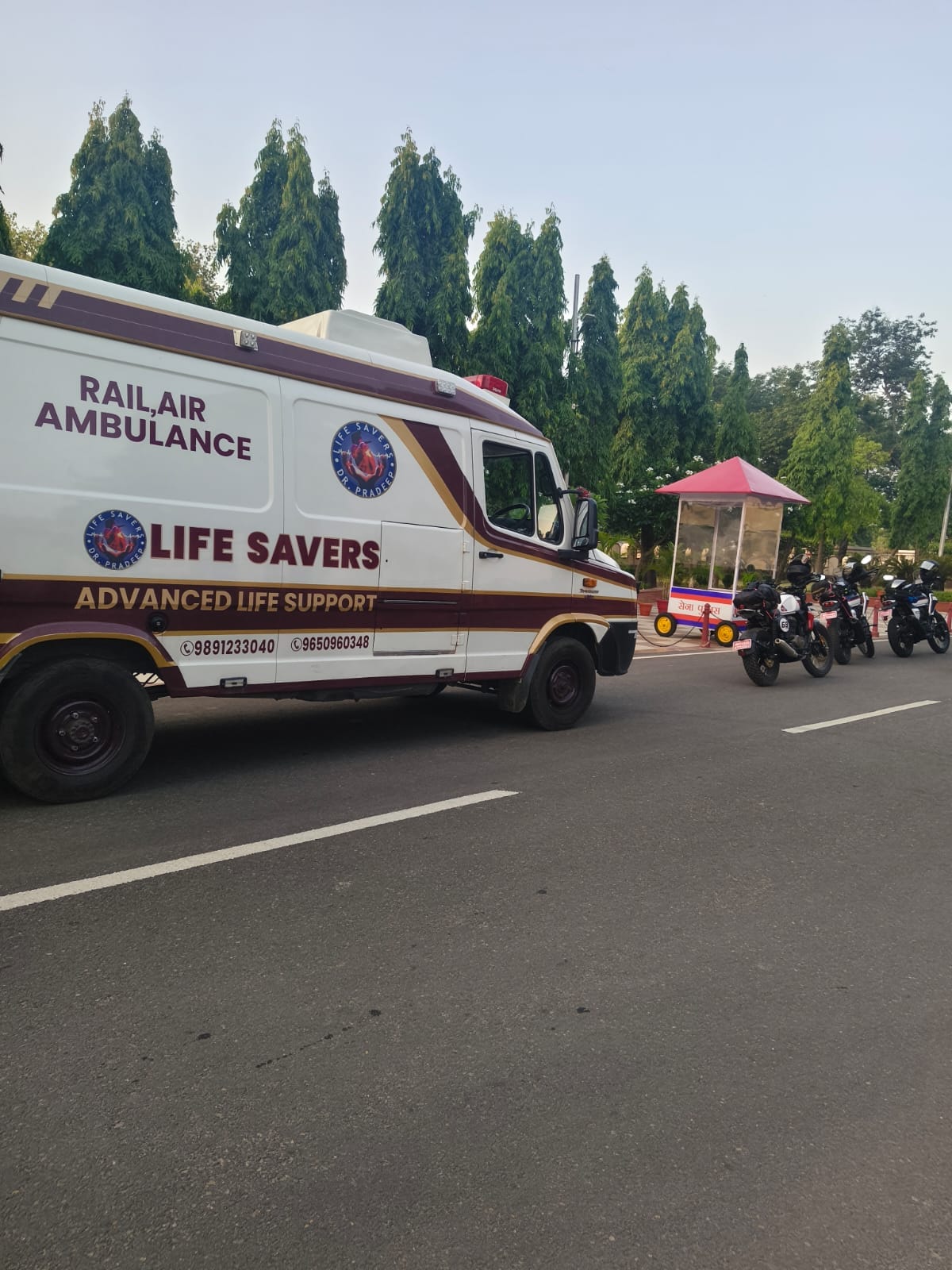
As motorcycles rolled out from Delhi for an approximately 14-day Indian Army bike expedition organised in connection with Kargil Vijay Diwas, Life Savers Ambulance Services joined the journey with a very different responsibility: to remain behind the riders, ready whenever medical support was required.
For nearly two weeks, an ACLS-equipped road ambulance travelled with the convoy, providing round- the-clock medical backup as Army personnel moved through changing terrain and progressively challenging conditions.
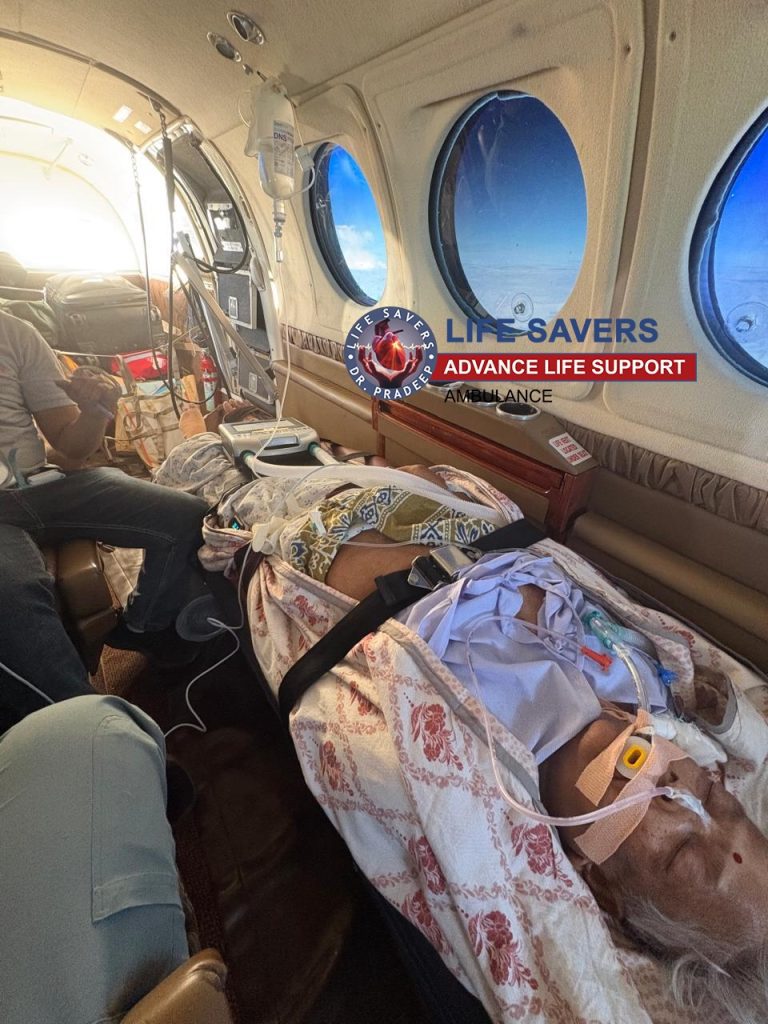
It was not an emergency transfer from one hospital to another. It was preventive critical care on the move.
Why Kargil Vijay Diwas Holds a Special Place in India
Every year, 26 July is observed as Kargil Vijay Diwas, commemorating India's victory in the 1999 Kargil conflict and remembering the courage and sacrifice of the Armed Forces personnel who fought during Operation Vijay. Indian forces reclaimed strategically important positions in the Kargil-Drass sector, and the day continues to serve as a national reminder of duty, courage and sacrifice.
A motorcycle expedition associated with this occasion therefore carries meaning beyond the distance travelled.
Each kilometre becomes an act of remembrance. For the Army officers participating in such a journey, the expedition represents endurance, camaraderie and respect for those who served in some of the most difficult terrain encountered by the Indian Armed Forces. Life Savers' role was to help ensure that the medical side of that journey remained continuously supported.
One Convoy, Different Ranks, One Medical Safety Net
The convoy included Army officers across different ranks, including senior and field-level officers. Once the expedition began, rank did not change the medical reality of travelling for long hours, experiencing changing weather conditions and eventually encountering higher altitudes.
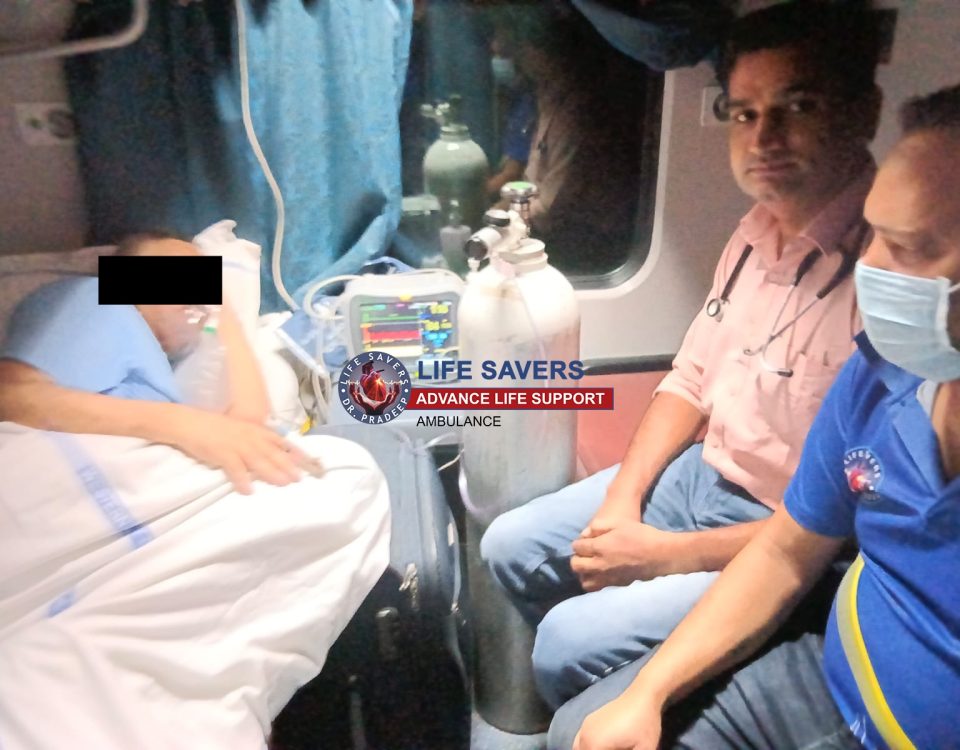
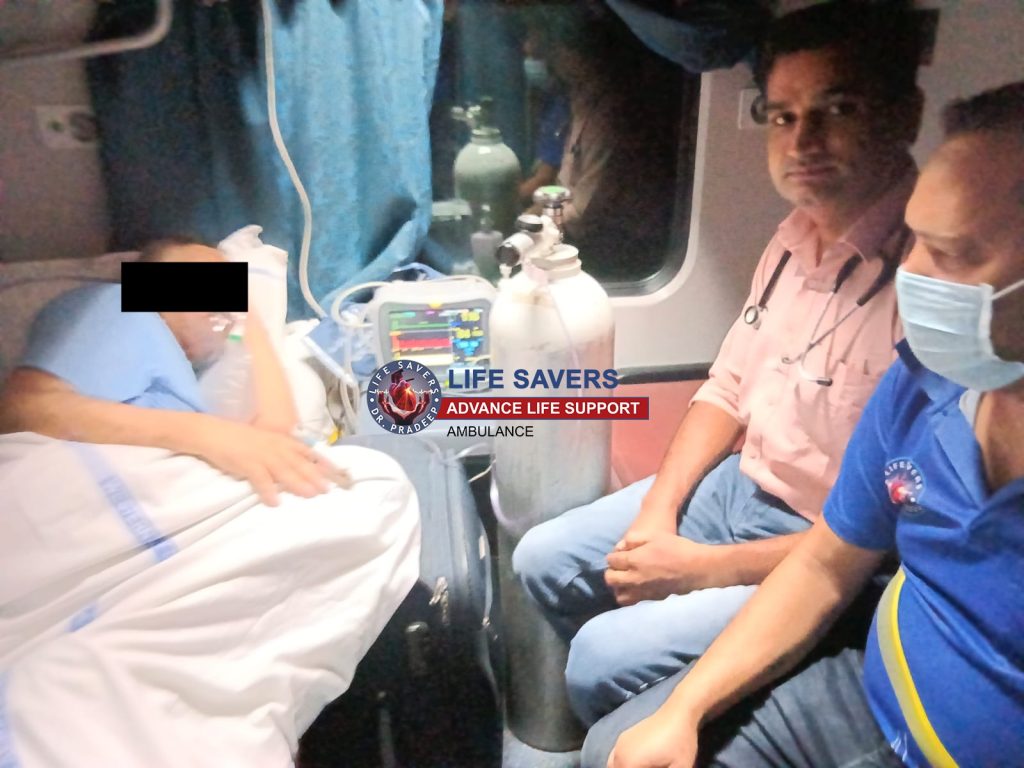
The Life Savers ACLS road ambulance remained available 24 hours a day throughout the expedition, moving with the convoy rather than waiting at a fixed medical point. Inside the ambulance was the equipment required to provide immediate assessment and initial emergency support if somebody developed a medical problem during the journey.
This meant the medical team could remain close enough to respond without unnecessarily interrupting the expedition.
When Altitude Changes the Physiology
One of the more important medical considerations during the journey was altitude. As people travel higher, the amount of oxygen available to the body decreases because atmospheric pressure falls. Even otherwise healthy individuals can experience symptoms such as breathlessness, headache, fatigue or reduced exercise tolerance.
For personnel spending long periods riding motorcycles, the physiological demand can become more noticeable. Whenever anyone in the convoy experienced symptoms or required assessment, the Life Savers team could check their oxygenation using a pulse oximeter and appropriate monitoring equipment.
Where clinically indicated, supplemental oxygen therapy was provided. The objective was not simply to give oxygen because someone had reached a high altitude. Each individual was assessed, oxygen saturation was monitored and support was provided according to the person's condition. That distinction is important in responsible medical support.
An ACLS Ambulance Travelling With the Expedition
Providing medical cover for a moving convoy is different from operating a conventional city ambulance. The medical vehicle must move when the convoy moves. It must be available during stops. Equipment needs to remain organised despite prolonged travel. Oxygen supplies must be planned according to the route.
And the medical team needs to remain prepared even when there has been no emergency for many hours.
The ACLS road ambulance accompanying the expedition therefore functioned as a mobile medical support unit throughout the journey.
Its role included:
- oxygen therapy when clinically required
- pulse oximetry and oxygen saturation assessment
- monitoring of vital parameters
- initial evaluation of symptoms developing during travel
- emergency medical equipment for unexpected events
- continuous medical availability throughout the convoy movement
Most importantly, the ambulance remained part of the expedition from beginning to end.
Sometimes the Most Important Ambulance Is the One That Is Never Needed for an Emergency
There is a common perception that an ambulance becomes important only after something goes wrong.
Medical standby tells a different story.
During an expedition involving prolonged riding, changing terrain and higher altitudes, the presence of
an appropriately equipped medical team allows relatively minor concerns to be assessed before they potentially become larger problems. A rider feeling unusually breathless can have oxygen saturation checked. Someone feeling unwell can be clinically assessed.
A person requiring supplemental oxygen can receive it without waiting to reach the next medical facility.
And if a genuine emergency develops, basic and advanced life-support equipment is already travelling alongside the group.
That is the value of medical convoy support.
Fourteen Days of Staying Ready
Over the approximately 14-day expedition, the Life Savers team travelled alongside the Army convoy through the entire journey.
There were kilometres when the ambulance simply followed the motorcycles.
There were stops when monitoring and oxygen assessment became necessary.
And there were stretches where the most important responsibility was simply being prepared.
For an ambulance crew, that preparedness is itself part of the job.
A medical team accompanying an expedition cannot predict exactly when its equipment will be required. It can only make sure that when the moment comes, the people, oxygen, monitoring systems and emergency support are already there.
More Than an Ambulance Journey
For Life Savers Ambulance Services, supporting this expedition was different from transporting a critically ill patient between hospitals.
There was no receiving ICU waiting at the end of every day's journey.
Instead, the responsibility was to provide a continuous medical safety layer behind a moving group of Indian Army personnel participating in an expedition connected with one of the country's most significant military commemorations.
Kargil Vijay Diwas remembers men who operated in conditions where altitude, terrain and weather were as real as the adversary itself.
Years later, as another Army convoy moved through demanding terrain in remembrance of that history,
Life Savers had the opportunity to travel quietly behind them.
The motorcycles led the way.
The Army carried the remembrance.
And behind the convoy, the ambulance remained ready.