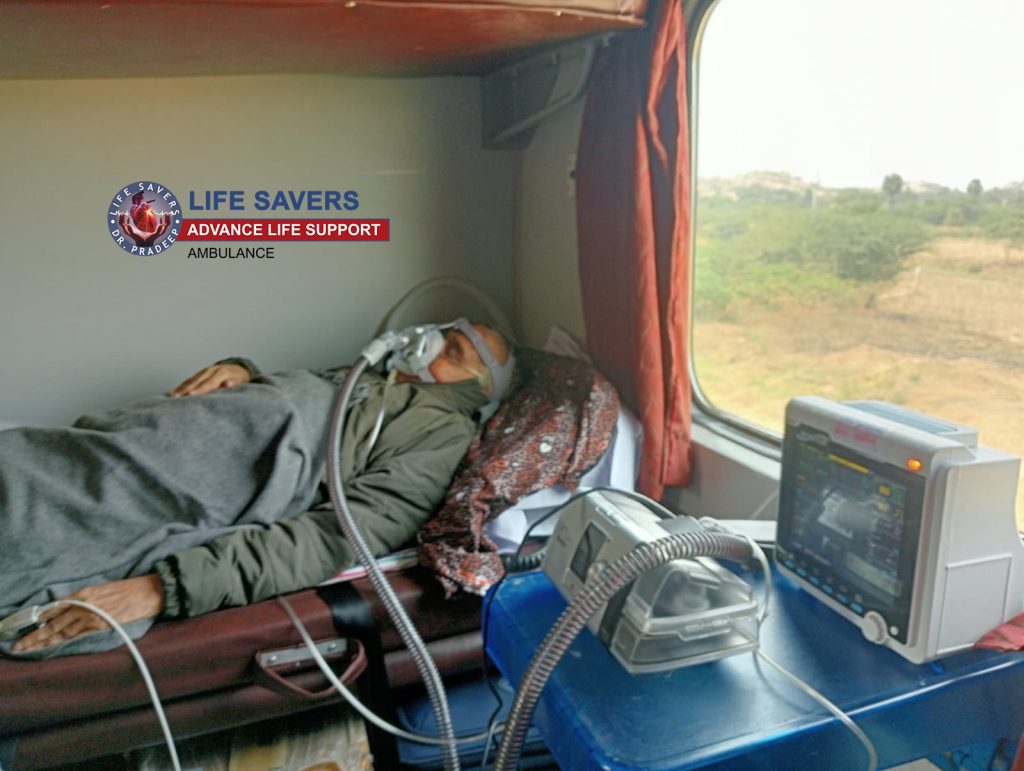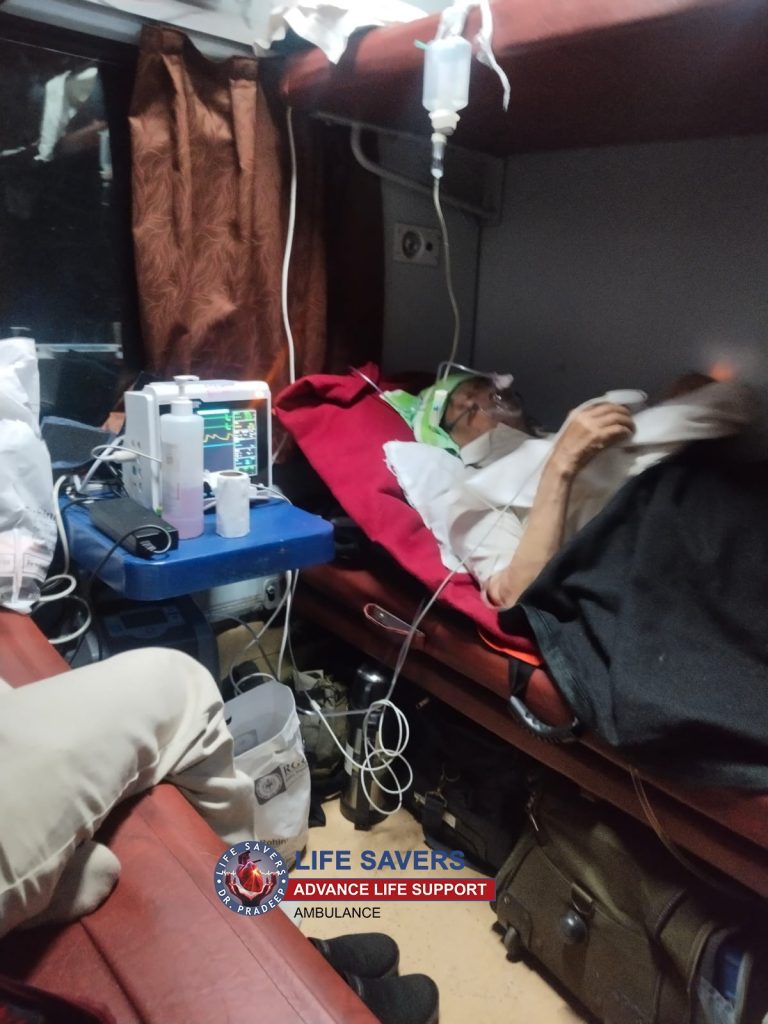
ICU Rail Ambulance From Sir Ganga Ram Hospital, Delhi to Samay Hospital, Patna
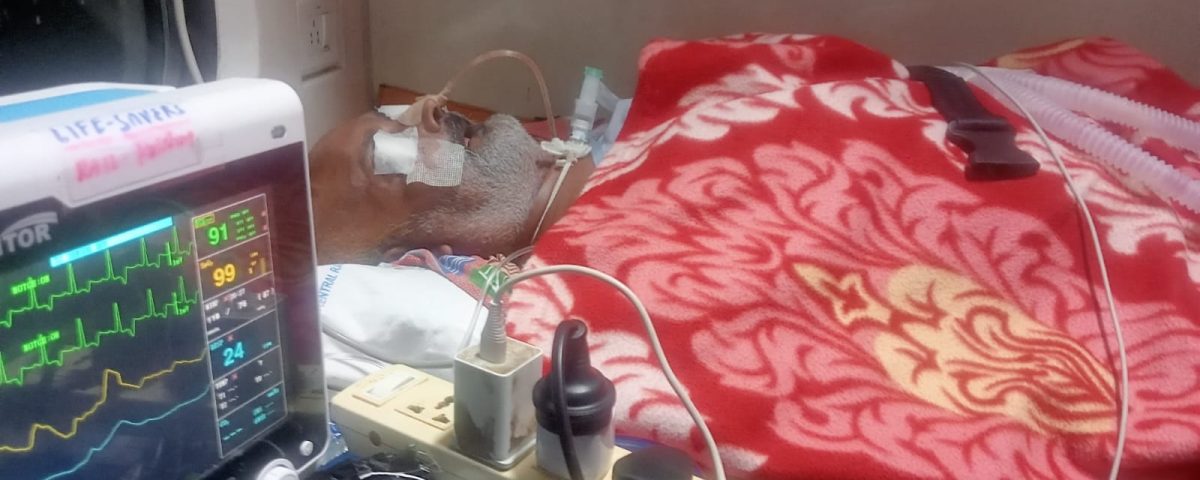
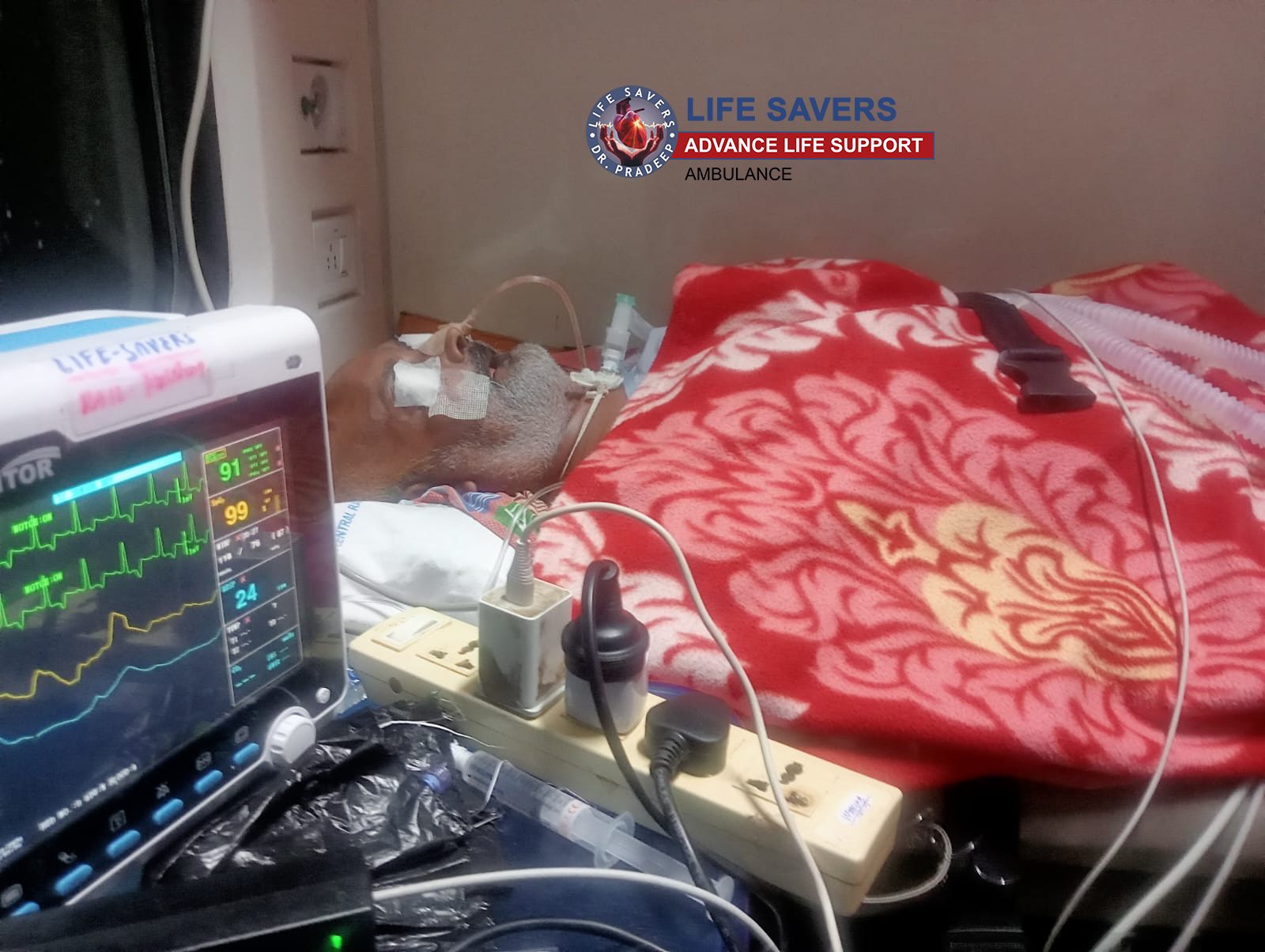
Critically ill patients with multi-organ involvement require uninterrupted intensive care and rapid clinical decision-making during long-distance transfers. Life Savers Ambulance Services managed a high-risk ICU train ambulance transfer, ensuring continuous monitoring and timely intervention throughout the journey.
Case Overview
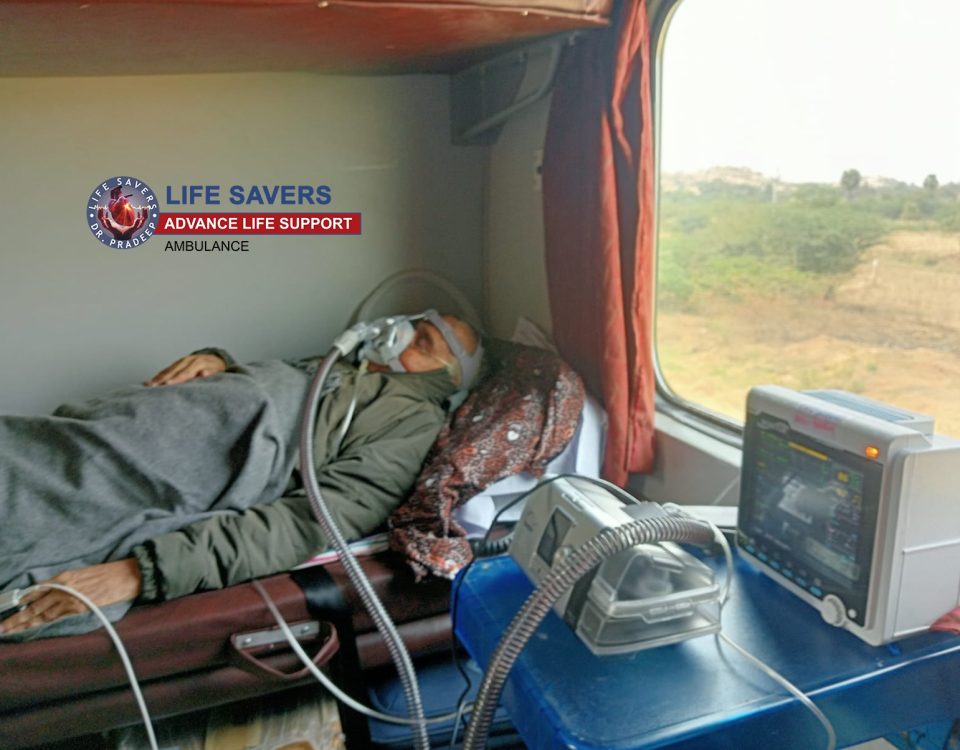
A 50-year-old male patient was shifted from Sir Ganga Ram Hospital, Delhi to Samay Hospital, Patna using an ICU Rail Ambulance Service arranged by Life Savers Ambulance Services. The transfer was executed as a bed-to-bed train ambulance transport, maintaining full critical care support throughout.
Patient Condition
The patient had a complex clinical history:
- Cardiac arrest, followed by stroke
- Resulting in ventilator dependence
- Diagnosed with Hypoxic Brain Injury
- Progression to Multi-Organ Dysfunction Syndrome (MODS)
At the time of transfer, the patient was critically ill, requiring continuous ventilatory support, hemodynamic monitoring, and readiness for emergency intervention.
Transport Decision
- A Train Ambulance Service in India was selected due to:
- Need for sustained ICU-level care over long distance
- Continuous ventilator and monitoring support
- Space for advanced life support equipment and medical team
- Stable environment to manage a critically ill patient
Life Savers ensured a fully coordinated bed-to-bed transfer, including ground ambulance arrangements at both ends.
Medical Setup Onboard
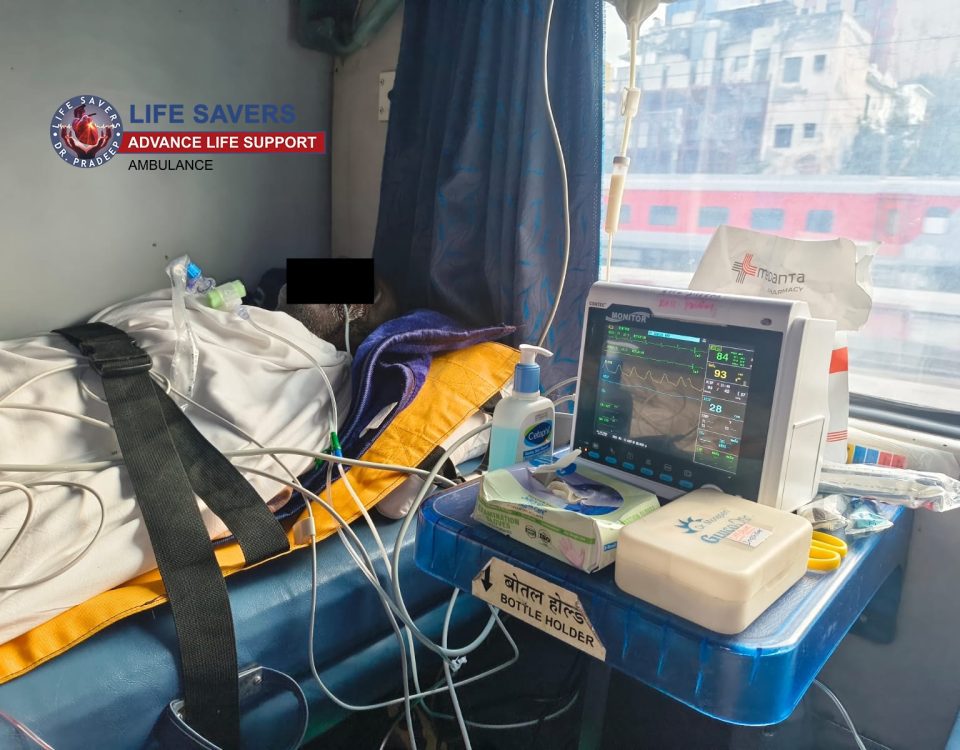
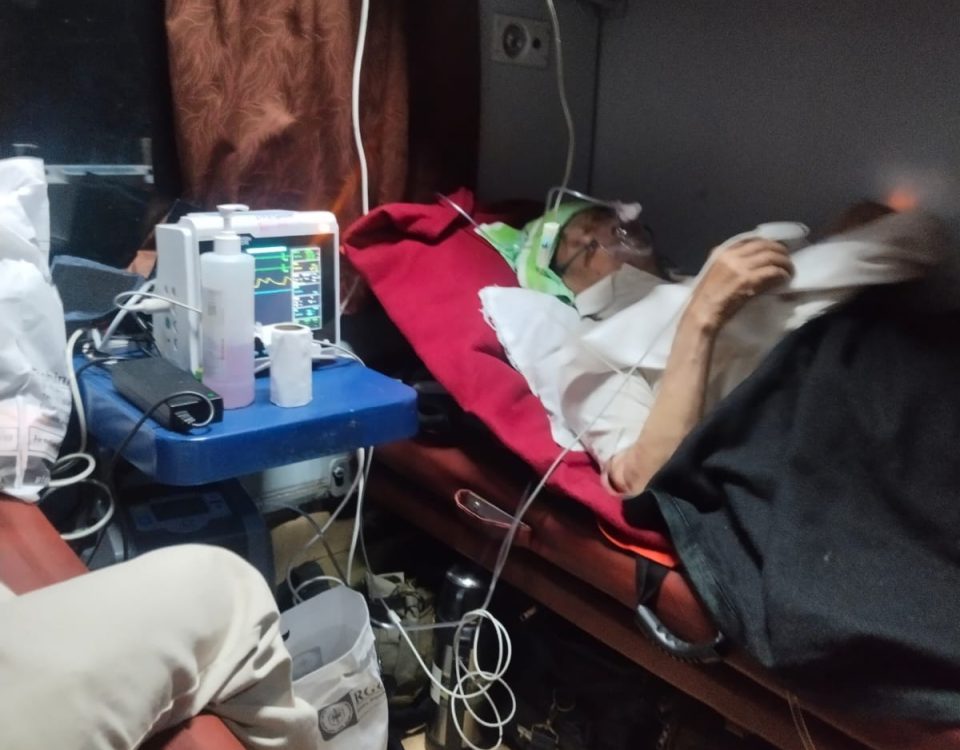
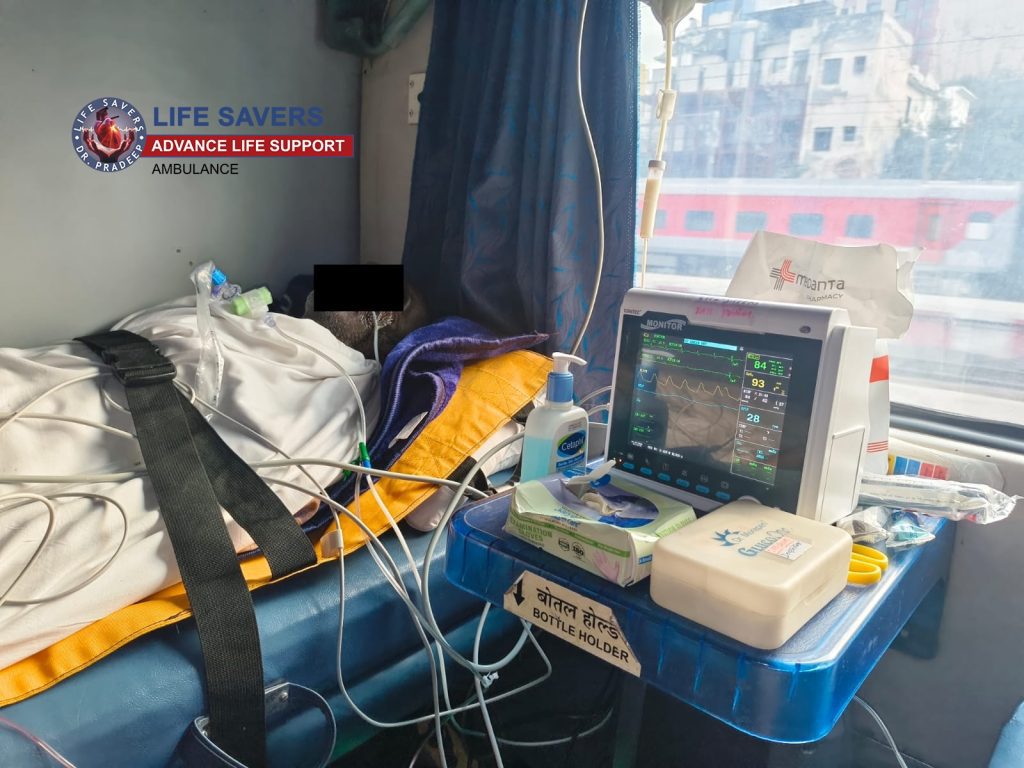
The ICU Train Ambulance was equipped with:
- Advanced ventilator support
- Multiparameter monitoring including ECG, SpO₂, and blood pressure
- Infusion pumps and emergency medications
- Electrolyte and cardiac emergency management readiness
- Backup oxygen and airway equipment
A dedicated ICU team from Life Savers, including a critical care doctor and trained paramedic, remained onboard throughout the journey.
Critical Event During Transit
During the transfer, the patient developed tall T waves on cardiac monitoring, a clinical indicator suggestive of hyperkalemia, which can lead to life-threatening arrhythmias.
The Life Savers ICU team responded immediately:
- Identified the ECG changes in real time
- Initiated appropriate emergency management protocols
- Stabilized the patient to prevent progression to cardiac arrhythmia
This timely intervention ensured that a potentially fatal complication was managed effectively during transit.
Execution of Transfer
Following stabilization, the journey continued under close monitoring. Ventilator support, hemodynamic parameters, and metabolic status were continuously assessed. The patient remained stable for the remainder of the transfer.
Arrival and Handover
On arrival at Samay Hospital, Patna, the patient was safely handed over to the receiving ICU team with a detailed clinical briefing, including the in-transit hyperkalemia event and interventions performed.
Clinical Perspective
Patients with hypoxic brain injury and MODS are at high risk of sudden metabolic and cardiac complications during transfer. Continuous ECG monitoring and the ability to interpret and act on changes such as tall T waves are critical in preventing fatal outcomes.