
ICU Train Ambulance from Thiruvananthapuram
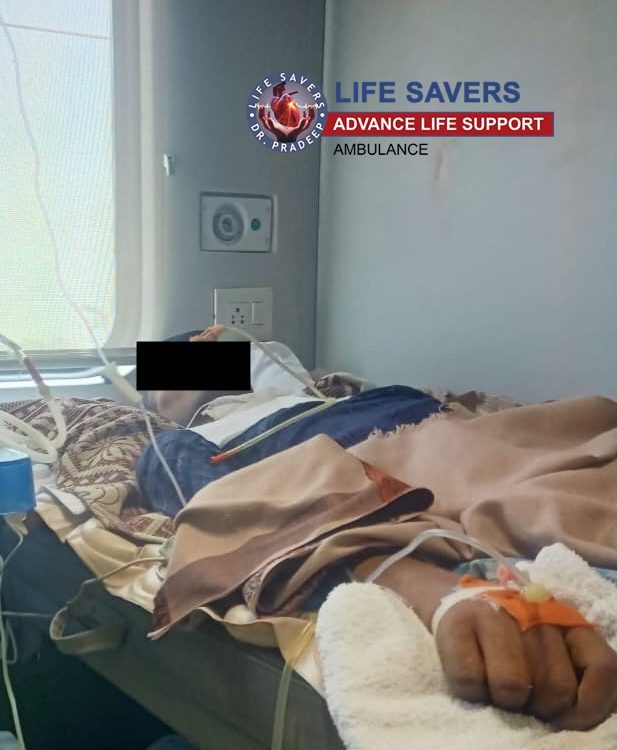
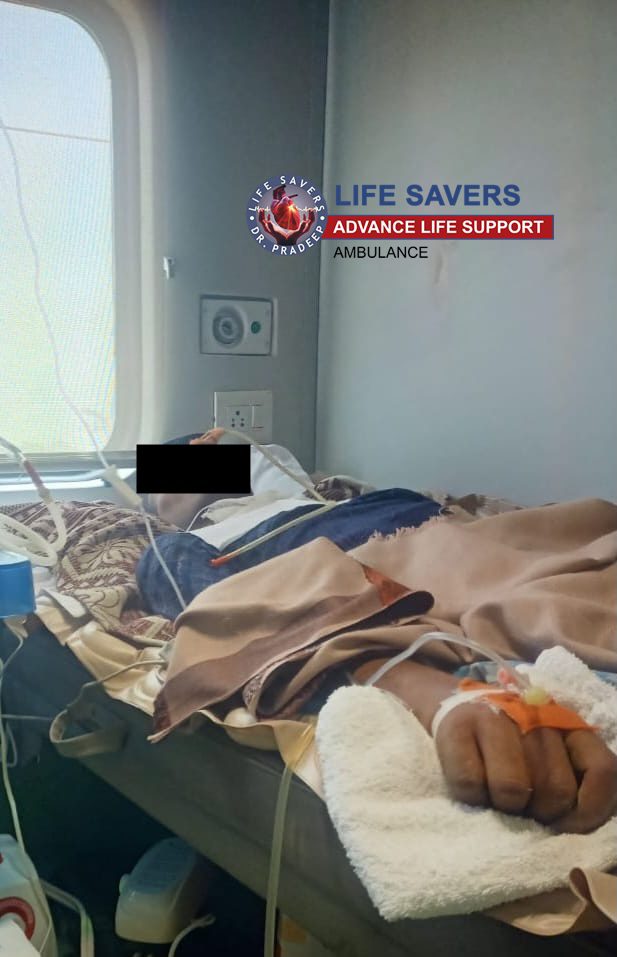
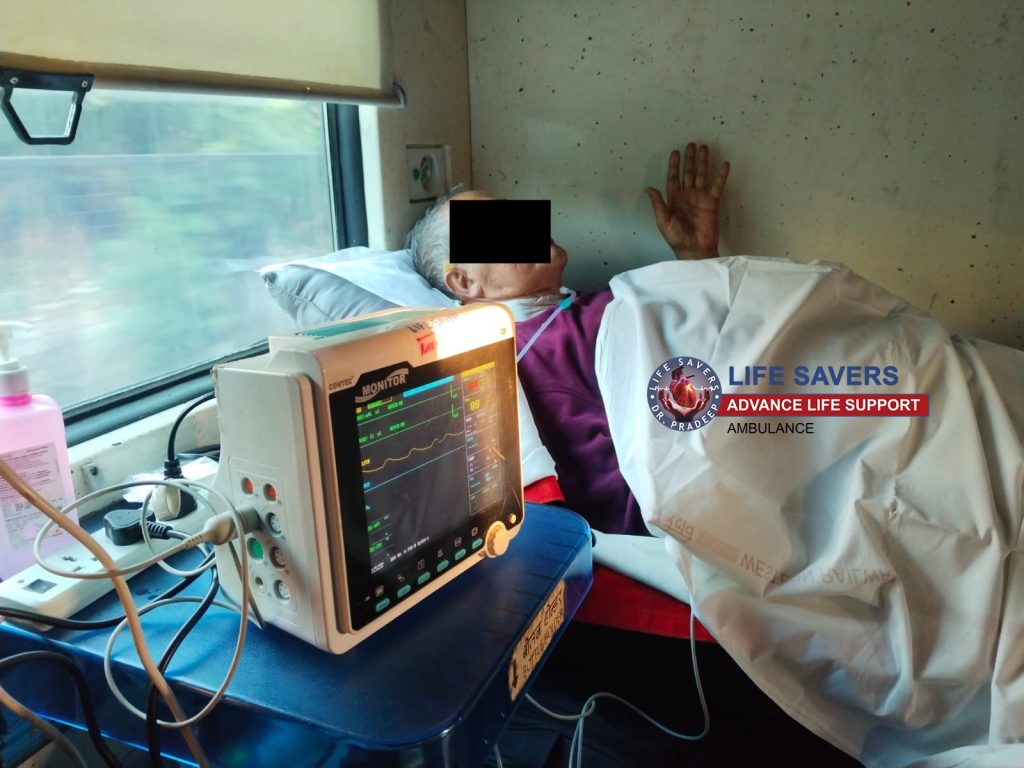
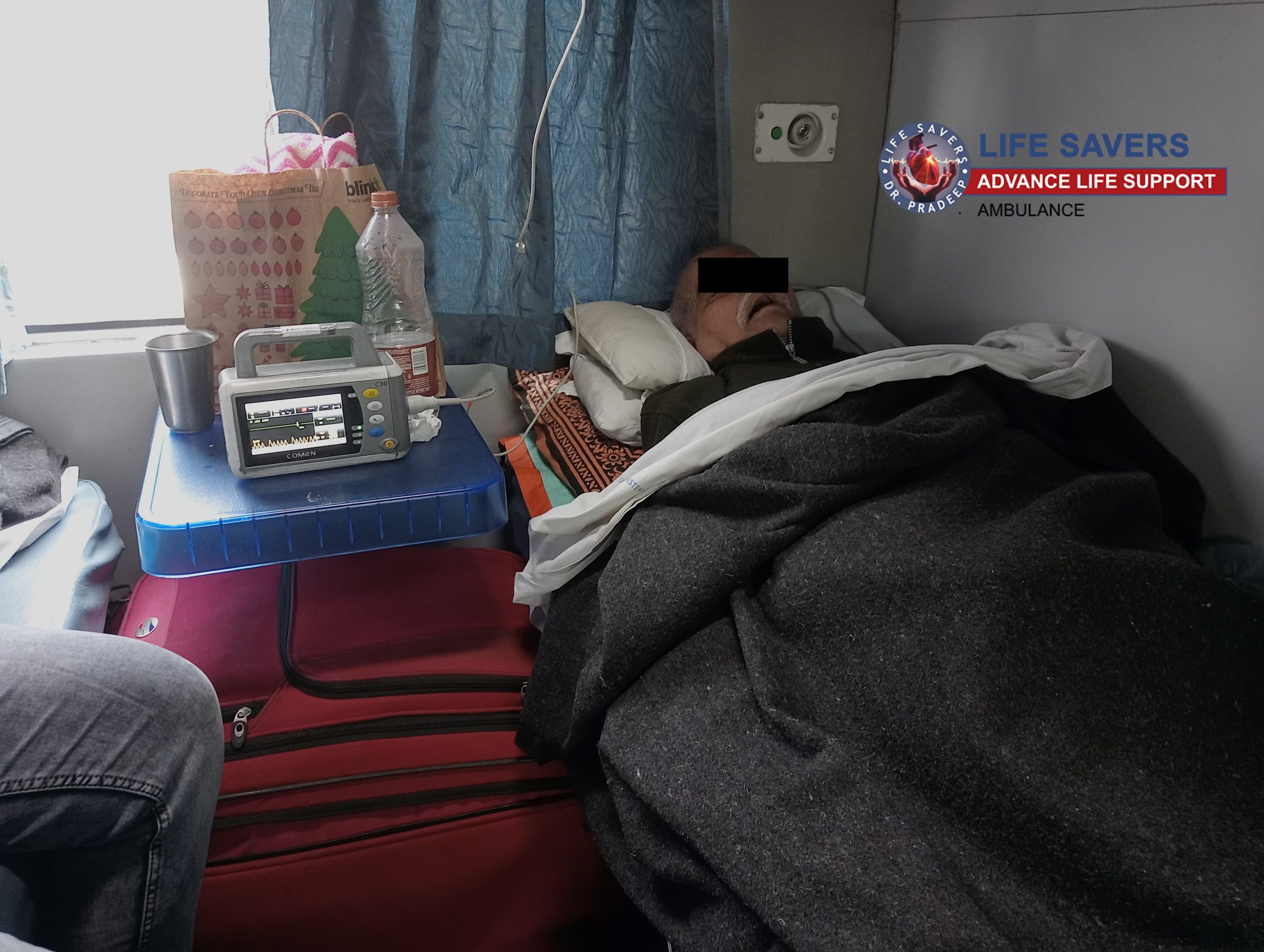
A train ambulance suits a patient who is stable enough for rail travel but needs medical supervision, oxygen or monitoring on the way. The patient travels with a medical team and equipment, and Lifesavers coordinates the whole journey, bed to bed, from the sending hospital or home to the receiving hospital or residence.
The transfer is planned around the patient's condition, railway rules, berth availability and the equipment that can safely be carried. It can start at a hospital in Thiruvananthapuram, a nearby town or a residence.
Train ambulance transfer may be considered for:
- Patients moving to another city for advanced treatment.
- Patients needing continued oxygen support or monitoring.
- Post-surgical patients who are fit for a planned transfer.
- Patients going for specialist consultation or rehabilitation elsewhere.
- Elderly patients who need medical help during a long journey.
- Patients moving closer to family or a long-term care facility.
Important: Train travel is not suitable for every critically ill patient. A patient who needs uninterrupted intensive care, advanced ventilation or a highly time-sensitive transfer may need an ICU road ambulance or an air ambulance instead. The treating doctor and our medical team assess suitability before booking.
Train Ambulance Routes, Rail Time and Cost from Thiruvananthapuram
A train ambulance from Thiruvananthapuram to Delhi takes about 41 to 49 hours on the rails, depending on the train. Other routes are shorter. Costs below are indicative planning ranges for the full package, not confirmed quotations or guaranteed fares.
|
Route |
Approx. rail time |
Indicative cost |
|
Thiruvananthapuram to Kochi |
4–5 hrs |
₹25,000 – ₹40,000 |
|
Thiruvananthapuram to Coimbatore |
8–9 hrs |
₹30,000 – ₹45,000 |
|
Thiruvananthapuram to Kozhikode |
8–9 hrs |
₹30,000 – ₹45,000 |
|
Thiruvananthapuram to Mangaluru |
10–12 hrs |
₹35,000 – ₹55,000 |
|
Thiruvananthapuram to Chennai |
15–17 hrs |
₹40,000 – ₹65,000 |
|
Thiruvananthapuram to Bengaluru |
16–20 hrs |
₹45,000 – ₹70,000 |
|
Thiruvananthapuram to Hyderabad |
25–30 hrs |
₹50,000 – ₹75,000 |
|
Thiruvananthapuram to Pune |
28–32 hrs |
₹55,000 – ₹80,000 |
|
Thiruvananthapuram to Mumbai |
26–32 hrs |
₹55,000 – ₹85,000 |
|
Thiruvananthapuram to Kolkata |
45–52 hrs |
₹65,000 – ₹95,000 |
|
Thiruvananthapuram to Delhi NCR |
41–49 hrs |
₹70,000 – ₹1,00,000 |
Rail times are approximate and change with the train chosen. Route feasibility, train availability and medical arrangements are assessed for each patient.
What affects the final cost?
- The patient's condition and the level of care required.
- The number and qualification of accompanying medical staff.
- Equipment, oxygen and consumables.
- Railway ticket and berth arrangements.
- Ground ambulances at the departure and arrival ends.
- Distance between hospitals, residence and stations.
- Waiting time, special handling and extra logistics.
A final quotation is given only after we review the patient's condition, route, travel date and the medical arrangements needed.
Stations and Hospitals We Cover in Thiruvananthapuram
Rail journeys from the city start at Thiruvananthapuram Central (TVC) or Kochuveli (KCVL), and we plan the road ambulance run to whichever station the chosen train uses.
Lifesavers coordinates transfers from major government and private hospitals, subject to hospital permissions and the patient's clinical needs:
|
Hospital |
Location |
|
Government Medical College Hospital |
Medical College PO, Thiruvananthapuram 695011 |
|
KIMSHEALTH |
Anayara, Thiruvananthapuram 695029 |
|
Regional Cancer Centre (RCC) |
Medical College Campus, Thiruvananthapuram 695011 |
|
Sree Chitra Tirunal Institute for Medical Sciences and Technology |
Medical College PO, Thiruvananthapuram 695011 |
|
Ananthapuri Hospitals and Research Institute |
NH Bypass, Chackai, Thiruvananthapuram 695024 |
|
Cosmopolitan Hospital |
Kumarapuram Road, Murinjapalam, Pattom, Thiruvananthapuram 695004 |
|
SUT Hospital |
Pattom, Thiruvananthapuram |
|
PRS Hospital |
Killipalam, Thiruvananthapuram |
|
GG Hospital |
Murinjapalam, Thiruvananthapuram |
|
SP Fort Hospital |
Fort, Thiruvananthapuram |
Indian Railways and IRCTC Coordination
A train ambulance is more than a railway ticket. Berth arrangements, medical attendant details, equipment and boarding and deboarding logistics all have to be settled before the journey. Lifesavers coordinates the applicable Indian Railways and IRCTC arrangements, subject to railway rules, availability and permissions. IRCTC is the ticketing platform; the medical transport and patient care are arranged separately by Lifesavers.
Our coordination covers:
- Assessing the patient's travel requirements.
- Identifying suitable trains and journey options.
- Coordinating railway booking and accommodation requirements.
- Planning medical attendant and equipment arrangements.
- Road ambulances for transfers to and from the station.
- Coordination with the receiving hospital or destination address.
- Boarding, deboarding and handover planning.
ICU Equipment and Medical Team During the Journey
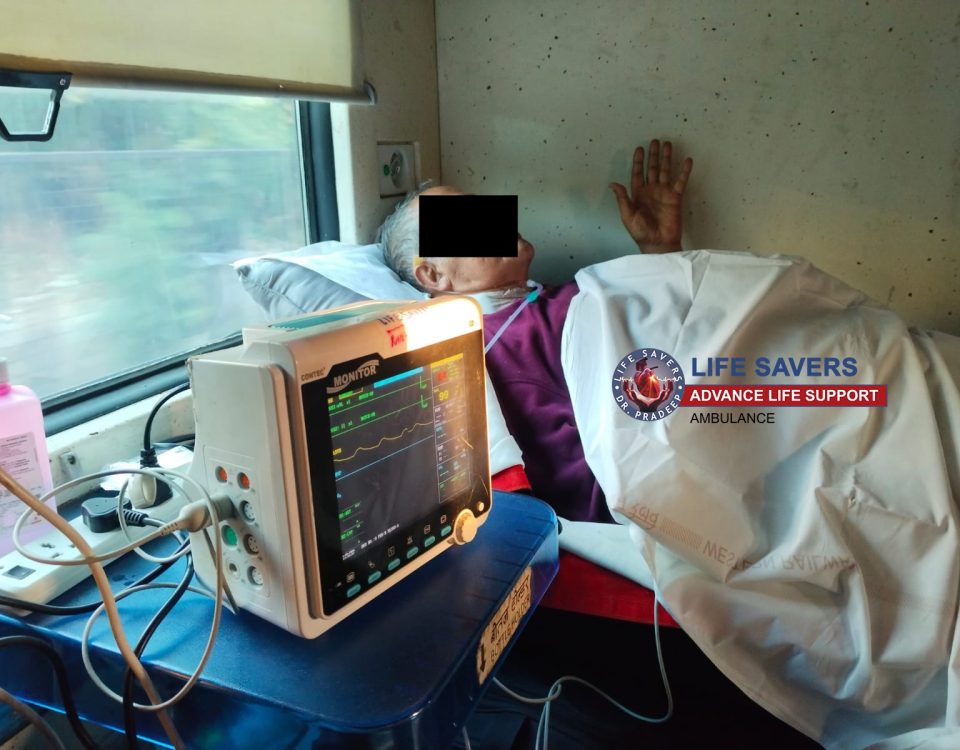
The setup is chosen for the patient's clinical condition and for what rail travel can safely accommodate. Depending on the case, it may include:
- Portable ventilator, where clinically appropriate and permitted.
- Portable oxygen cylinders and delivery accessories.
- Multiparameter patient monitor, pulse oximeter and blood pressure monitoring.
- Infusion and syringe pumps, where required.
- Suction apparatus.
- Emergency medicines and consumables.
- Basic airway management and resuscitation equipment.
The accompanying team is finalised after we review the patient's records and speak with the treating doctor or hospital:
- Doctor: for patients who need medical supervision and clinical decisions during travel.
- Nurse: for medication, nursing care and monitoring.
- Paramedic: for patient handling, equipment support and emergency assistance.
Equipment and team configuration are confirmed during clinical planning, before the transfer is booked.
Who Can Travel: Patient Categories, Including Newborns and Children
Train ambulance transfer may be considered for these groups, provided they are medically fit for rail travel:
- Critical and post-ICU patients: recovering from a critical illness and needing supervision during a planned transfer.
- Post-surgical patients: travelling after surgery, once the treating team confirms rail is appropriate.
- Neurological patients: recovering from stroke or brain injury and needing assistance and monitoring.
- Cardiac patients: needing supervision after cardiac treatment, subject to clinical assessment.
- Cancer patients: travelling for oncology treatment, specialised procedures or continued care.
- Elderly and bedridden patients: who cannot travel independently and need help with movement, positioning and supervision.
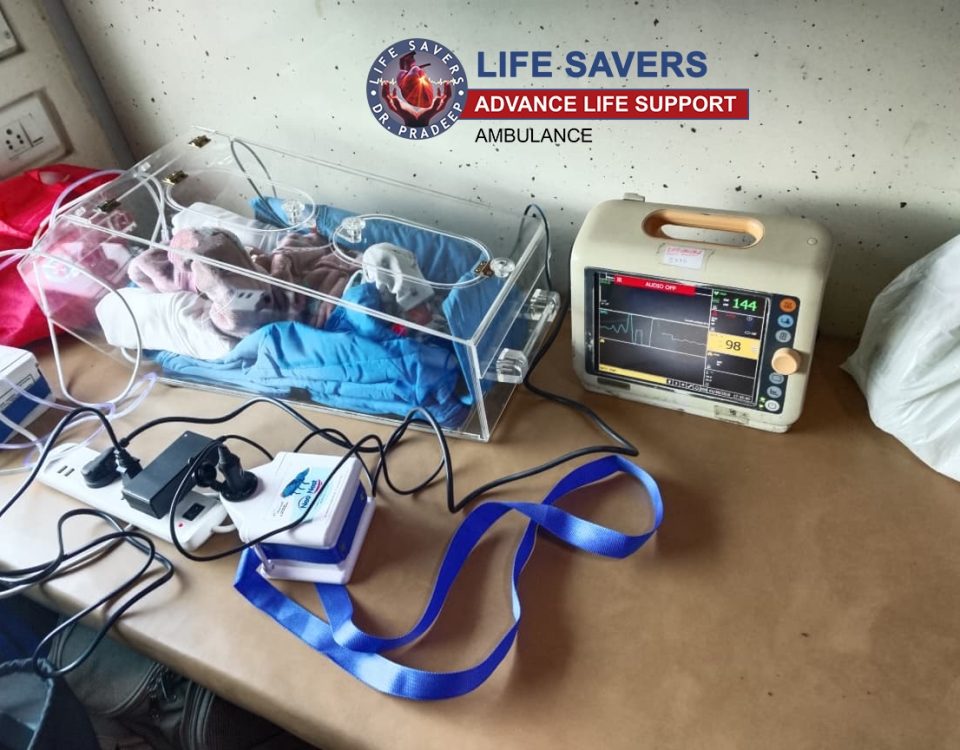
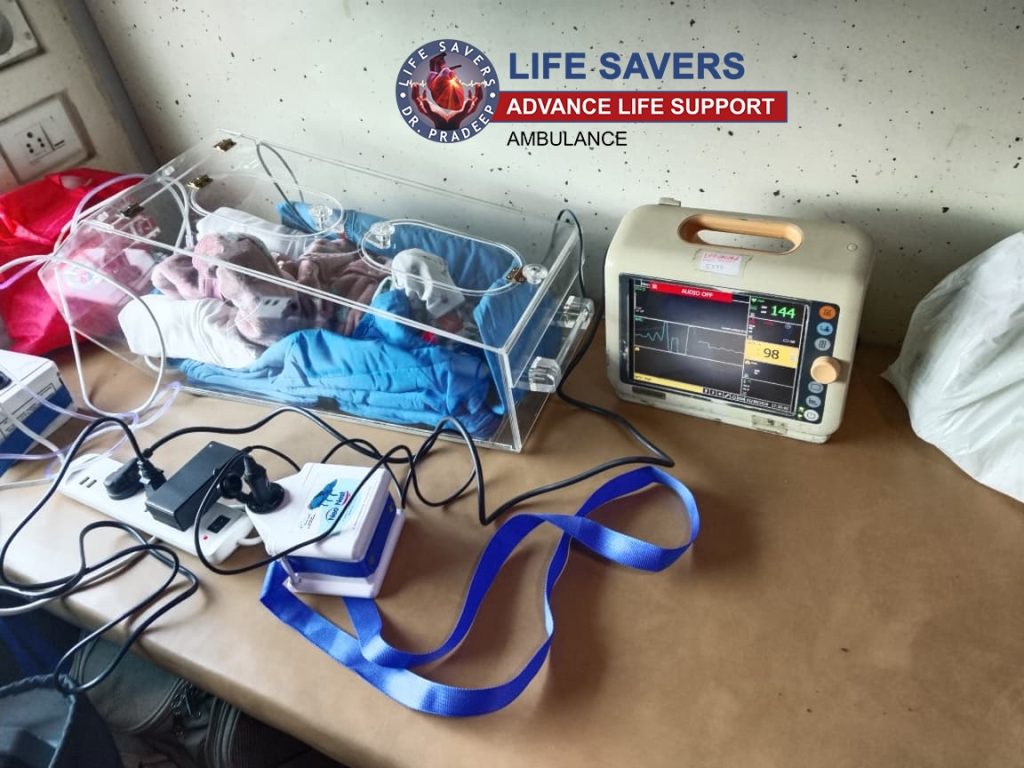
Newborns and children. A child's transfer may need ventilatory support, temperature management, oxygen, continuous monitoring, infusion support, emergency medication and a professional experienced in neonatal or paediatric care. Not every newborn or critically ill child is suitable for train travel. The treating neonatologist or paediatrician must assess stability and decide the safest mode. An air ambulance may be more appropriate when uninterrupted care or a faster transfer is needed.
How to Book a Train Ambulance in Thiruvananthapuram
- Share patient details. Give us the patient's location, diagnosis, condition, destination and preferred travel date.
- Medical assessment. Share records, discharge summary, investigation reports and current treatment. We review them and may speak with the treating doctor.
- Choose the transport mode. We assess whether train is clinically appropriate or whether an ICU road or air ambulance is safer.
- Plan railway arrangements. We evaluate train options and Indian Railways or IRCTC booking requirements, subject to availability and permissions.
- Arrange ground ambulances. One ambulance takes the patient from hospital or home to the departure station, and another from the arrival station to the destination.
- Finalise team and equipment. The medical team, equipment and consumables are fixed to the patient's needs.
- Transfer and handover. The patient is accompanied throughout and handed over to the receiving hospital or residence.
Keep these documents ready to avoid delays:
- Treating doctor's transfer recommendation
- Medical summary or discharge summary
- Recent investigation reports
- Acceptance letter or confirmation from the receiving hospital
- Photo ID of the patient and of the attendant travelling with them
- Current medication list
Train Ambulance vs Air Ambulance from Thiruvananthapuram
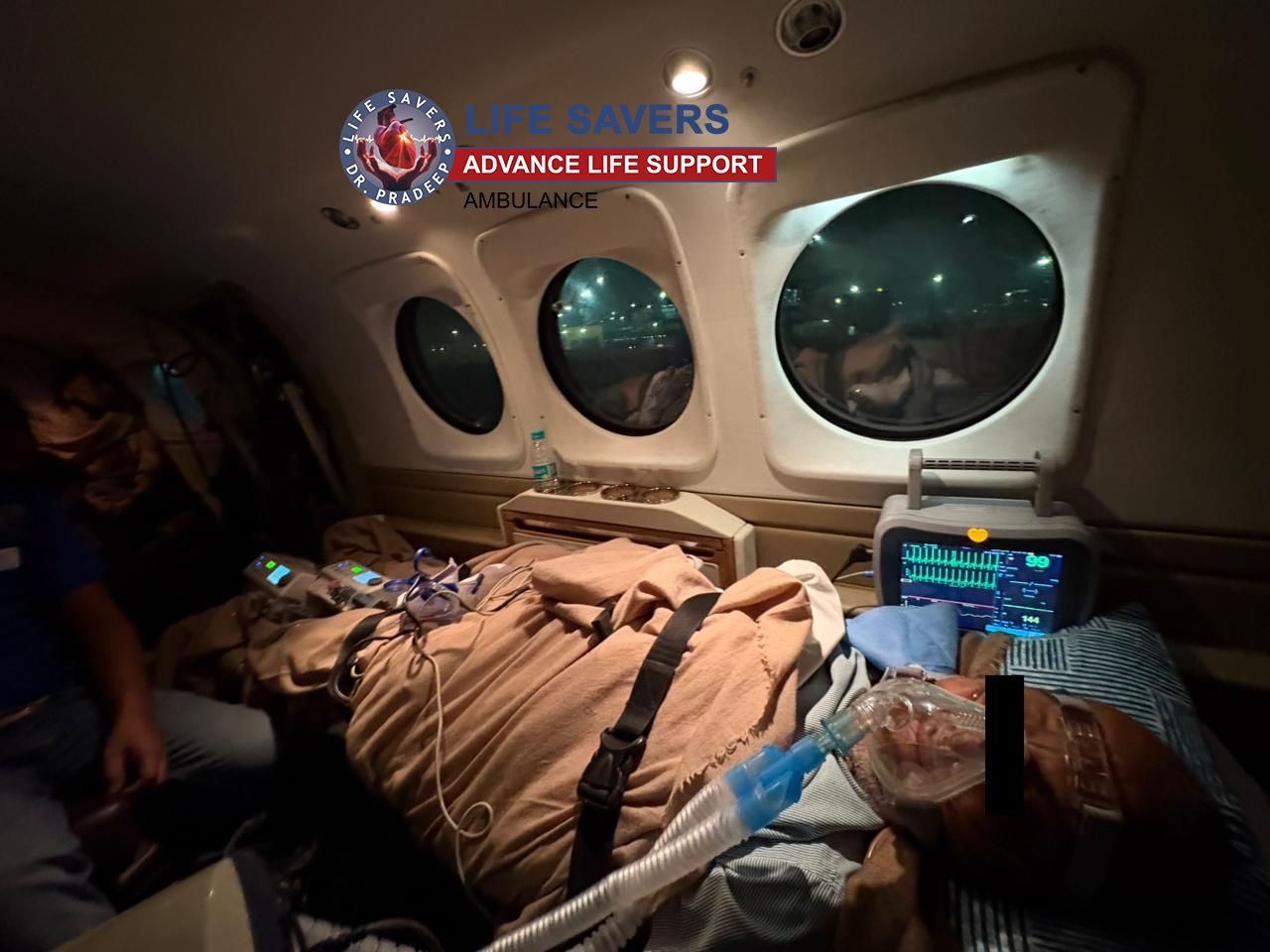
Train suits a stable patient who can safely take a longer journey, and is usually the more economical choice. Air suits time-sensitive cases or patients who need advanced, continuous critical care, and is recommended after medical assessment.
|
Parameter |
Train ambulance |
Air ambulance |
|
Best suited for |
Patients medically fit for rail travel |
Patients needing a faster or more specialised transfer |
|
Travel time |
Generally longer (about 41–49 hrs to Delhi) |
Generally shorter |
|
Cost |
Usually more economical |
Generally higher |
|
Medical support |
Planned around patient needs |
Critical-care support arranged per case |
|
Route suitability |
Depends on rail connectivity and availability |
Depends on aircraft, airport and operational feasibility |
Explore our Air Ambulance Services for long-distance and time-sensitive transfers.
Why Choose Lifesavers for Train Ambulance in Thiruvananthapuram?
- Doctor-led planning: the patient's condition and clinical needs decide the transport plan.
- Bed-to-bed coordination: ground ambulances at both the departure and arrival ends.
- Medical team support: doctor, nurse or paramedic matched to the patient's needs.
- Critical-care equipment: chosen for clinical need and rail feasibility.
- Indian Railways coordination: booking and travel arrangements handled within railway rules and availability.
- Destinations across India: transfers planned from Thiruvananthapuram to cities nationwide.
- Honest mode assessment: train, road and air options are compared, and we tell you when train is not the safe choice.
Book a Train Ambulance from Thiruvananthapuram
If a family member needs to move from Thiruvananthapuram to another city for treatment, call Lifesavers to discuss the patient's condition and transport needs. We will assess whether train is feasible, coordinate medical support and plan the journey from the current hospital or home to the destination.

Dr. Pradeep Gupta
Critical Care And Transportation Specialist
Current Handling Critical Care Ambulance services around the world, Founder And Chief Mentor at Life Savers, Start up in Train Ambulance on Ease of availability and Financial savvy.
Past Worked as Intensivist In Sir Ganga Ram Hospital(Delhi) for Many Years
Qualification MBBS, Diploma in Critical Care