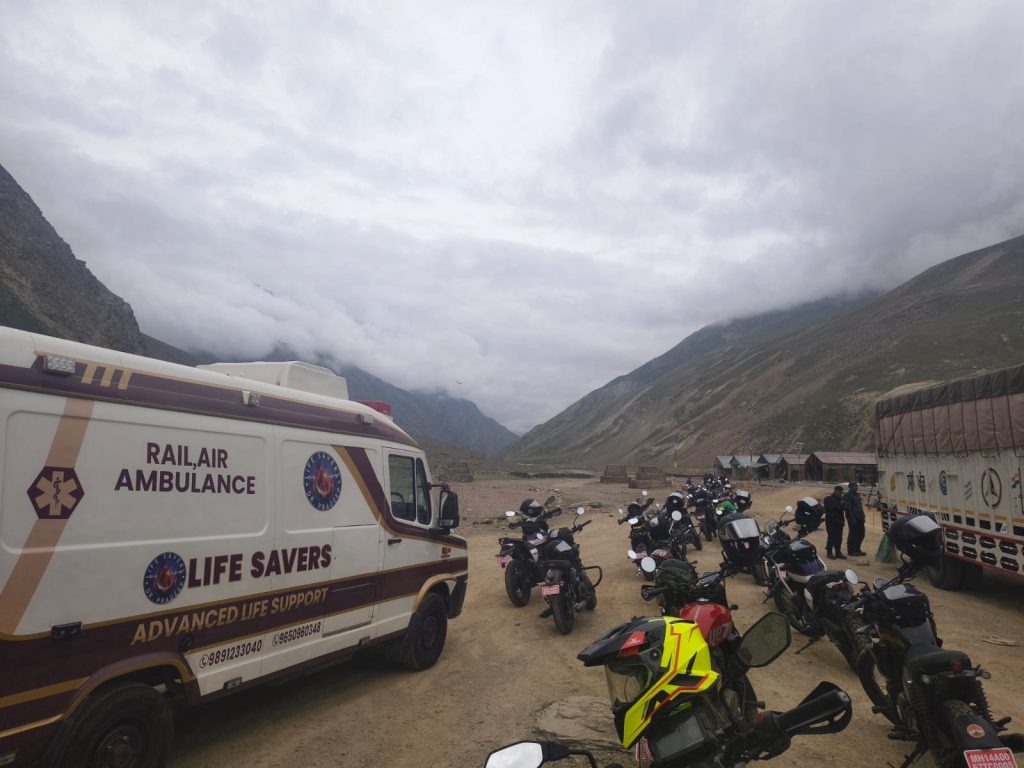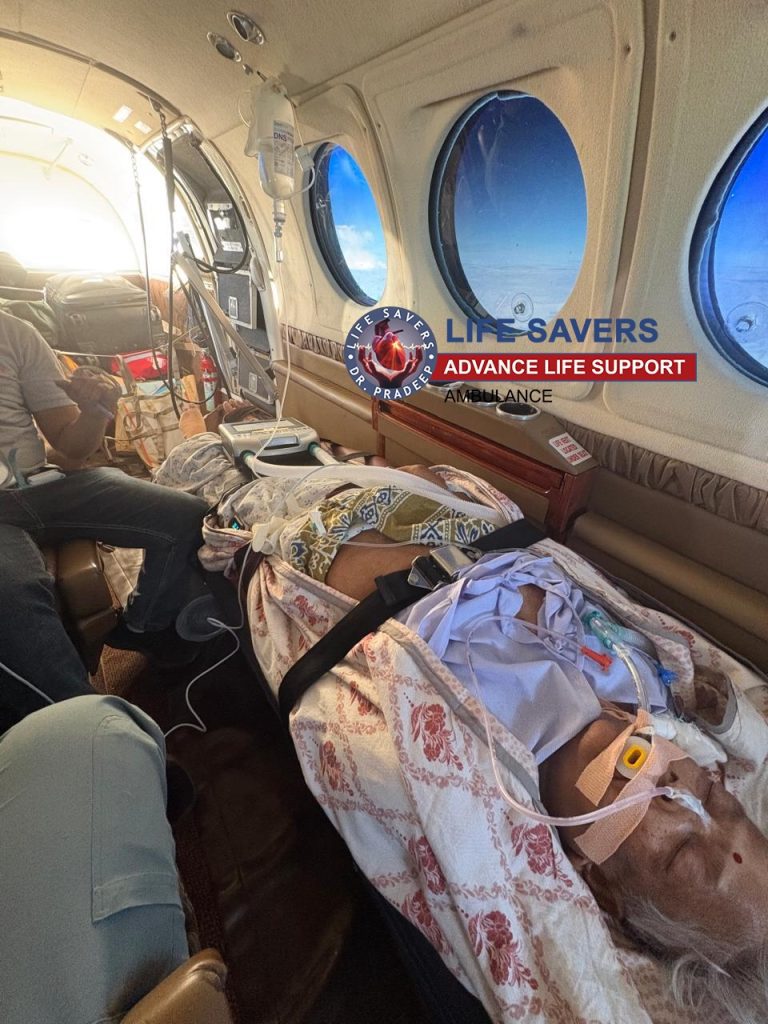
Dr. Laxminarayan Pandey Government Medical College & Hospital, Ratlam – Bombay Hospital
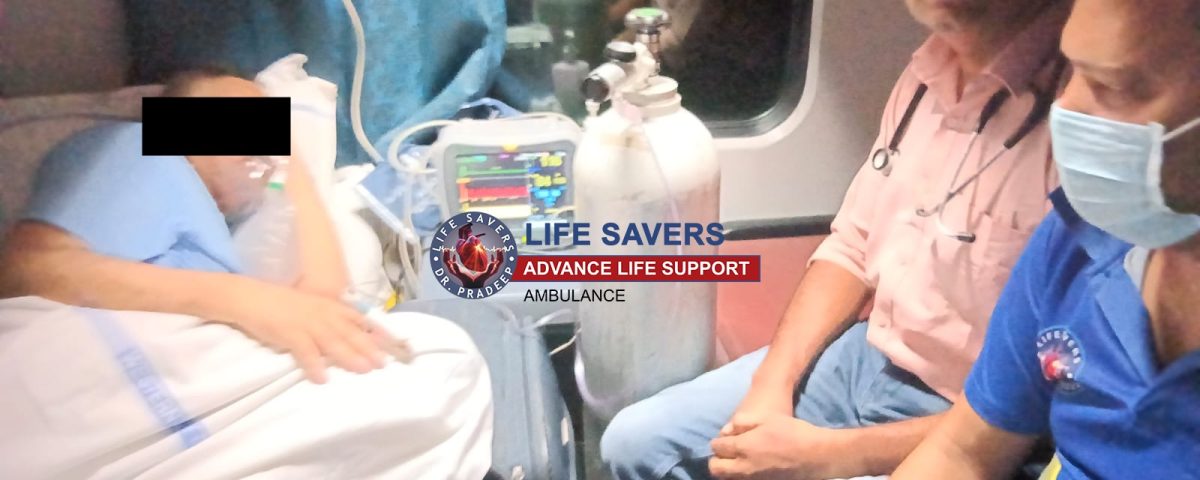
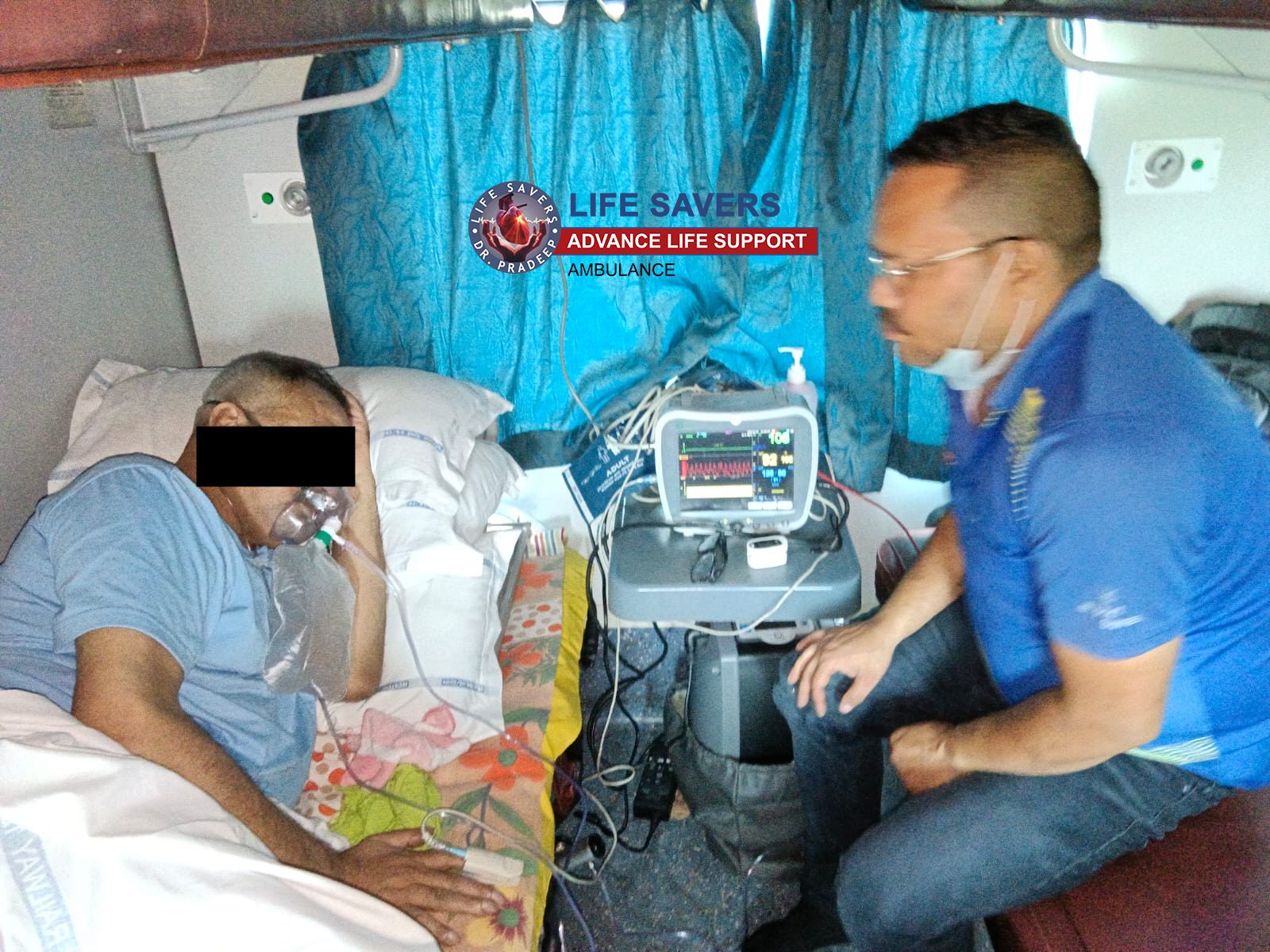
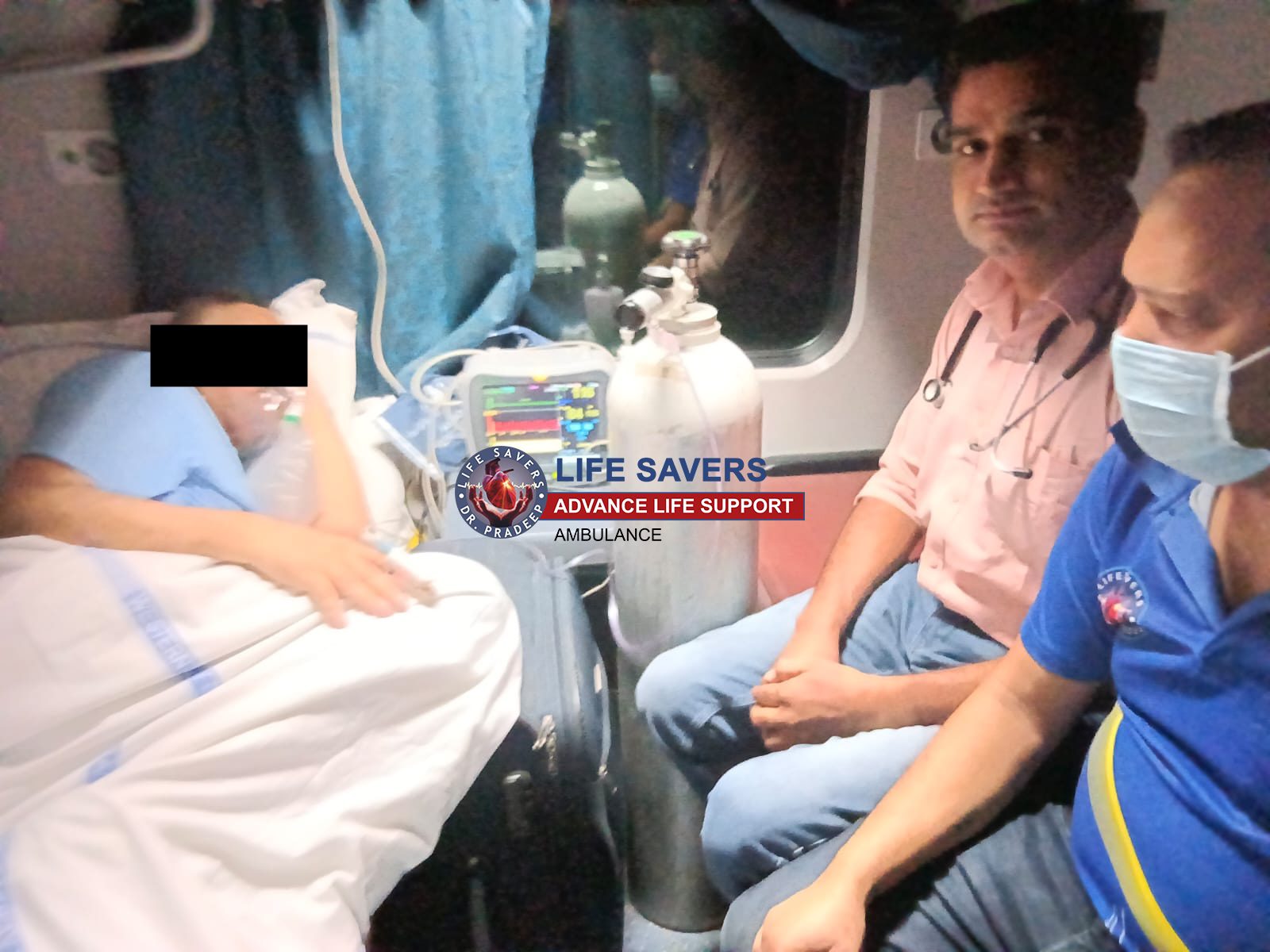
A medically coordinated ICU Train Ambulance transfer was arranged from Ratlam to Mumbai for a patient with interstitial lung disease who required continuous oxygen at 10 L/min and was maintaining an oxygen saturation of only around 88%.
A High-Risk Respiratory Transfer from Ratlam to Mumbai
The patient was diagnosed with interstitial lung disease (ILD) and needed to travel from Ratlam, Madhya Pradesh, to Mumbai for further hospital-based management. The main concern before transport was the patient’s significant oxygen dependency. Despite receiving oxygen at approximately 10 litres per minute, the oxygen saturation remained around 88%. This suggested markedly reduced respiratory reserve and made an ordinary long-distance journey unsuitable.
Even minor physical movement could produce a further fall in saturation. Because of this, the transfer needed to be planned as a monitored medical relocation rather than simply arranging railway tickets and accompanying the patient to Mumbai. Life Savers Ambulance Services coordinated the journey with a full ICU-level medical setup and a critical care doctor accompanying the patient.
Why ILD Made This Journey Clinically Challenging
Interstitial lung disease includes a group of disorders in which inflammation or scarring can affect the lung tissue and interfere with normal oxygen transfer. Depending on disease severity, some patients may develop significant breathlessness and require supplemental oxygen even at rest.
In this case, the patient's requirement of 10 L/min oxygen, together with an SpO₂ of approximately 88%, meant that oxygen delivery had to remain uninterrupted throughout the journey. Another important concern was exertional or movement-related desaturation. Small activities such as shifting the patient, transferring between stretchers, changing position or moving through the railway station could increase oxygen demand and cause saturation to fall further.
For this reason, unnecessary movement was kept to a minimum and every stage of the transfer required careful coordination.
Selecting Rail Transport for Continued ICU-Level Support
For selected patients who need long-distance transportation but can be moved safely by train after medical assessment, a Train Ambulance Service can provide an alternative to an extended road journey. The Ratlam-to-Mumbai route required planning beyond the time spent inside the train. The medical team also had to account for movement from the hospital to Ratlam railway station, boarding, the complete railway journey, arrival in Mumbai and the final ambulance movement to the receiving hospital.
Continuity was particularly important because interruption of oxygen delivery during any of these transitions could create clinical risk. The transport plan therefore focused on maintaining oxygen support and monitoring from the point of pickup until hospital handover in Mumbai.
ICU Setup and Oxygen Planning During the Journey
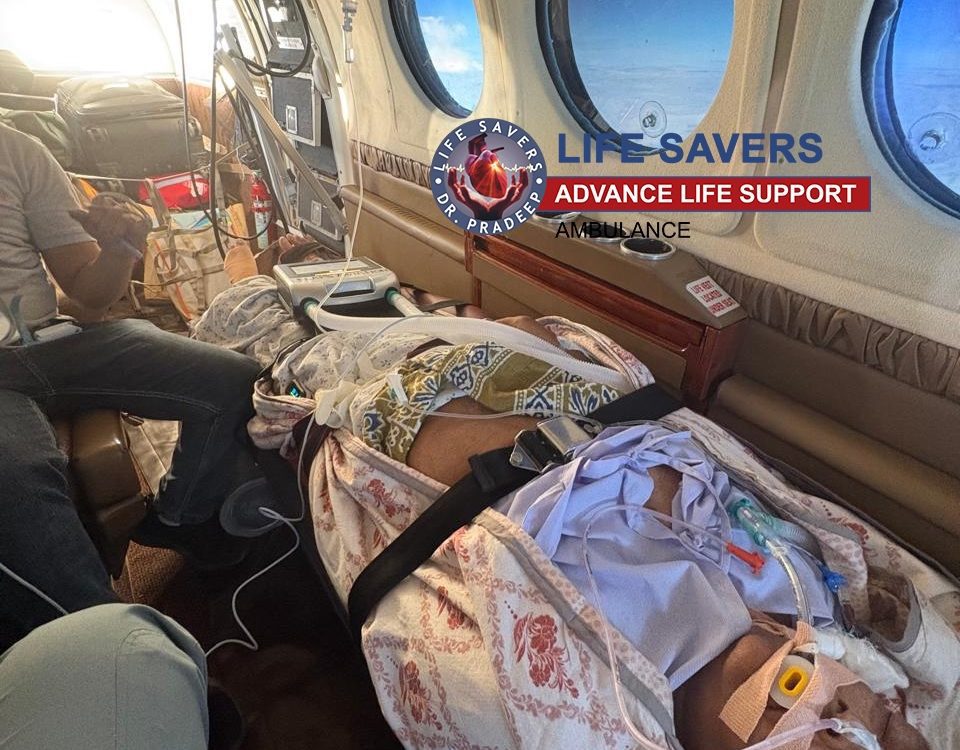
A full ICU setup was arrange for the rail transfer, with the patient travelling under the supervision of a critical care doctor.
For a patient with this degree of oxygen dependency, oxygen planning is one of the most important elements of transport. Adequate oxygen availability must account not only for the expected journey duration but also for possible delays, station movement and the final road transfer after reaching the destination.
The clinical setup allowed the team to monitor important parameters during transit, particularly:
- oxygen saturation
- respiratory status
- heart rate
- blood pressure
- overall level of clinical stability
Emergency respiratory and critical care support also needed to remain accessible throughout the journey in case the patient's condition deteriorated. This transformed the railway compartment into a controlled environment for critical care transport, rather than treating the journey as routine passenger travel.
Saturation Drops with Minor Patient Movement
One of the most important observations during the transfer was the patient's sensitivity to movement. Even slight movement caused the oxygen saturation to dip. In a patient with ILD and already low saturation despite substantial supplemental oxygen, such episodes require close attention.
The medical team therefore avoided unnecessary repositioning and monitored the patient carefully whenever movement became unavoidable. Oxygen delivery was maintain continuously while the critical care doctor assessed the patient's respiratory response throughout the journey.
This illustrates why patients with severe respiratory disease may require significantly more preparation than their appearance at rest initially suggests. A patient may remain relatively stable while lying quietly but develop worsening hypoxaemia during even limited activity.
Coordinating the Complete Ratlam-to-Mumbai Transfer
Medical transport does not begin when the train starts moving and does not end when it reaches the destination station. Life Savers coordinated the broader logistics required for this monitored transfer, including the movement of the patient, railway arrangements, medical equipment, oxygen planning, clinical accompaniment and onward transportation after arrival in Mumbai.
Coordination between the medical and logistical teams was particularly important because prolonged waiting, unnecessary shifting or gaps between different stages of transport could have increased the patient's respiratory stress.
On reaching Mumbai, the patient was move onward to the receiving hospital and handed over for continued medical management.
Hospital Handover in Mumbai
The patient completed the rail journey and reached the hospital in Mumbai without a reported major adverse event during transport. At the destination, the medical team completed the handover so that oxygen therapy and further respiratory care could continue without an unnecessary break in treatment.
For patients with significant ILD, reaching the destination is only one part of the process. Maintaining continuity between the referring facility, transport team and receiving hospital is equally important.
Clinical Learning from This Rail Ambulance Case
This Ratlam-to-Mumbai transfer demonstrates the complexity of transporting a patient with severe respiratory limitation. The patient was already requiring 10 L/min oxygen while maintaining an SpO₂ of approximately 88%, and even minor movement resulted in further saturation dips. These features made continuous oxygen delivery, minimal physical exertion, close monitoring and critical care supervision essential during the journey.
A Rail Ambulance Service in India can be consider for selected long-distance patients when their clinical condition, oxygen needs, journey duration and transfer logistics have been appropriately assess.
The appropriate transport method should always be select according to the individual patient's respiratory stability, oxygen requirement, medical risks and the level of care needed throughout the journey.