
24×7 Critical Care Train Ambulance Service in Rohtak
Life Savers Ambulance Services offers advanced ICU Train Ambulance Service in Rohtak, to Delhi, Mumbai, Chennai, Bangalore, Hyderabad, Kolkata, Ahmedabad, Jaipur, Pune, Lucknow, Patna, and other major cities across India.
Rohtak is one of Haryana’s major medical and educational hubs and serves surrounding districts including Jhajjar, Bhiwani, Jind, Charkhi Dadri, and Sonipat. Due to its strong railway connectivity through Indian Railways and IRCTC, train ambulance from Rohtak has become a preferred option for safe and affordable long-distance patient transportation.
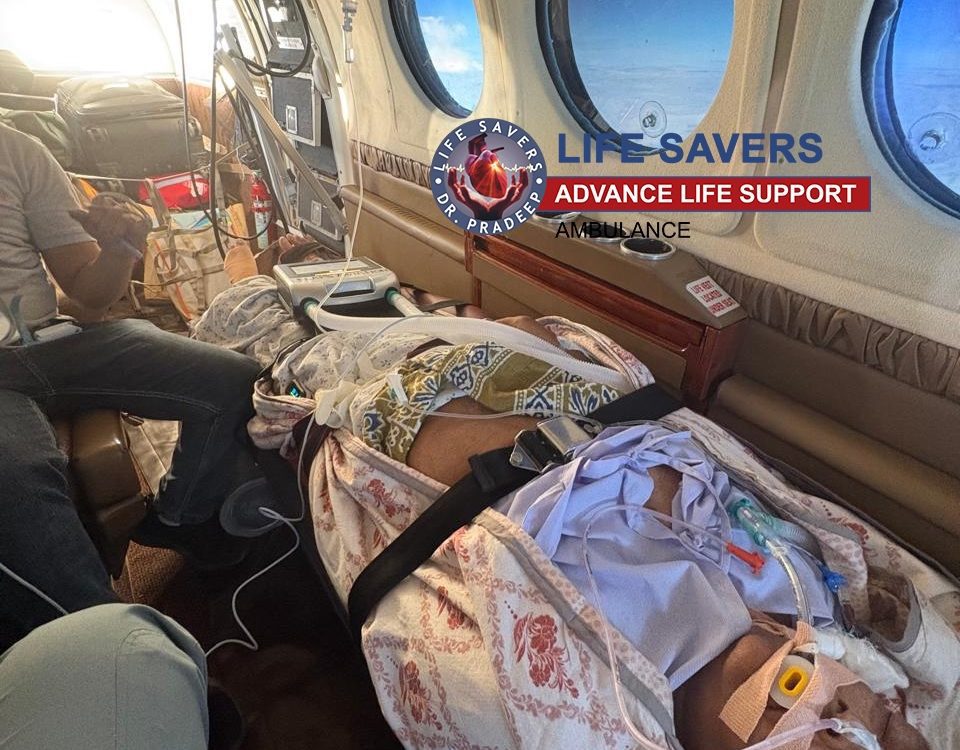
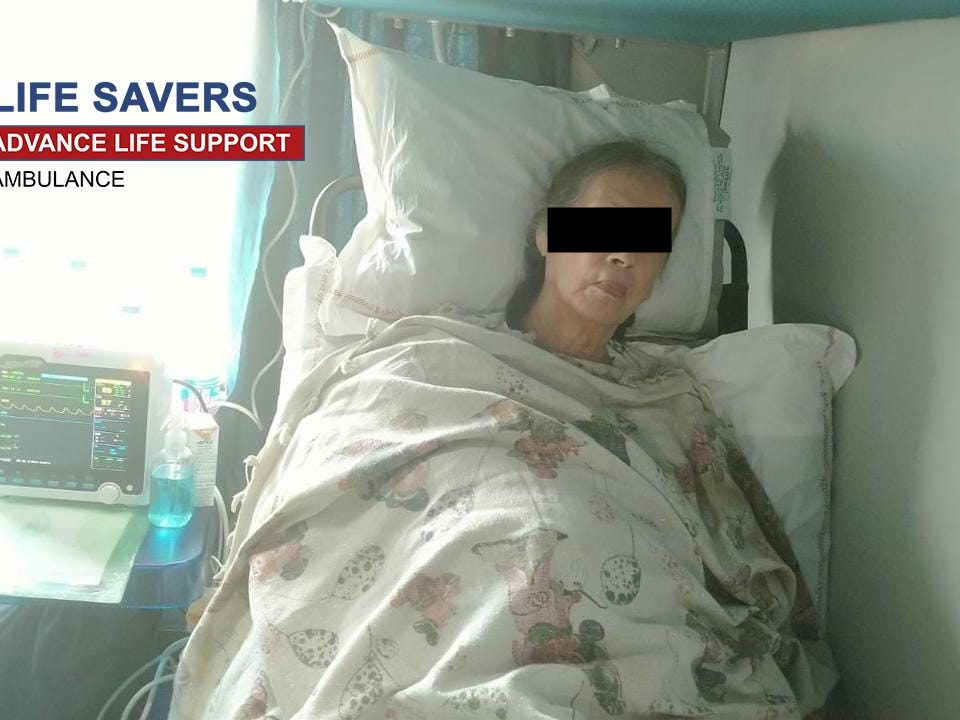
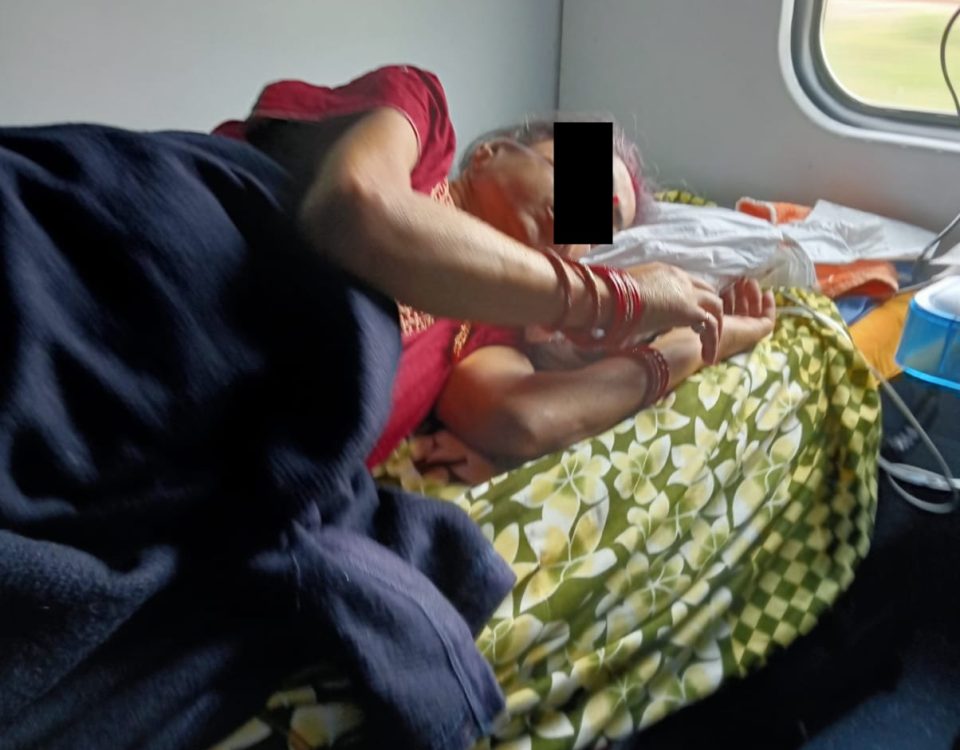
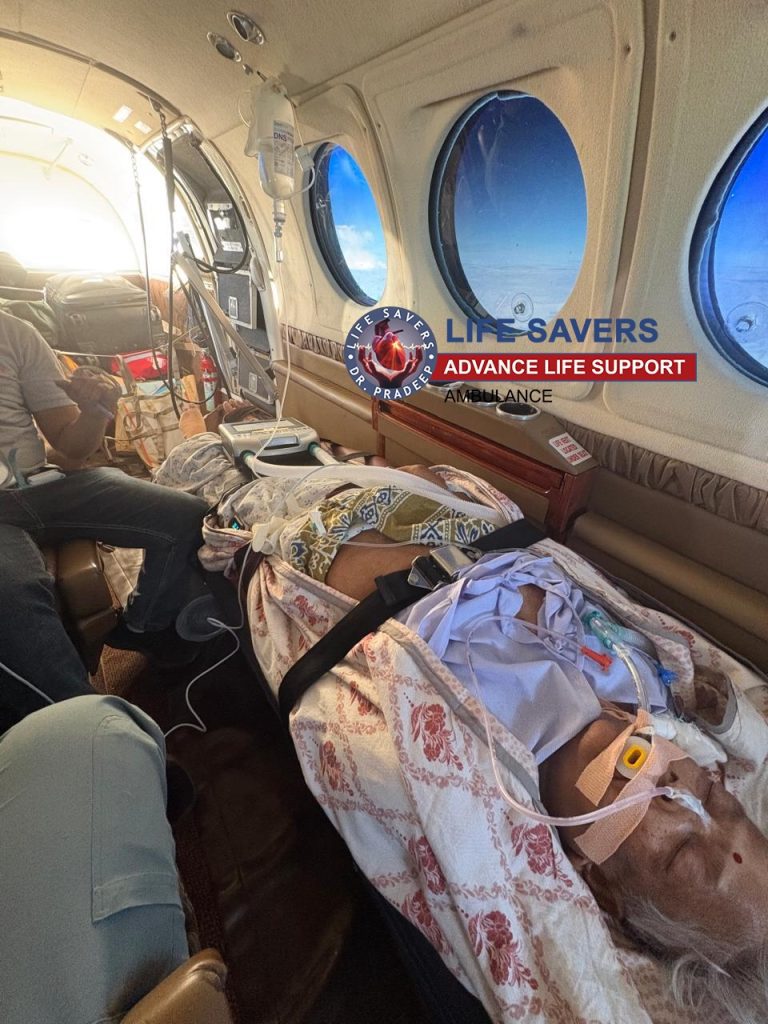
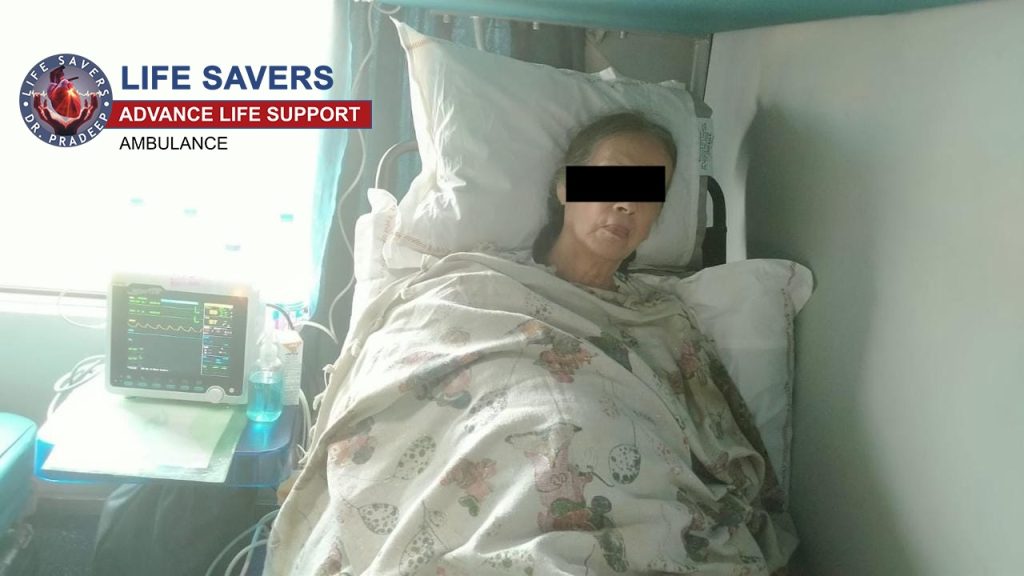
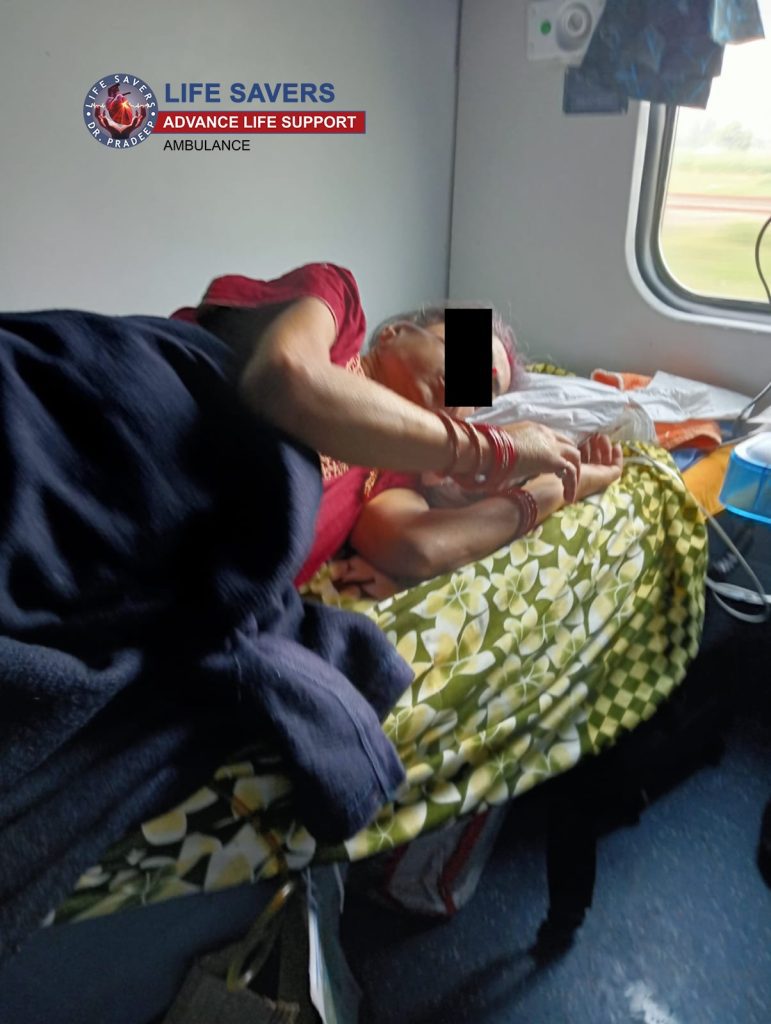
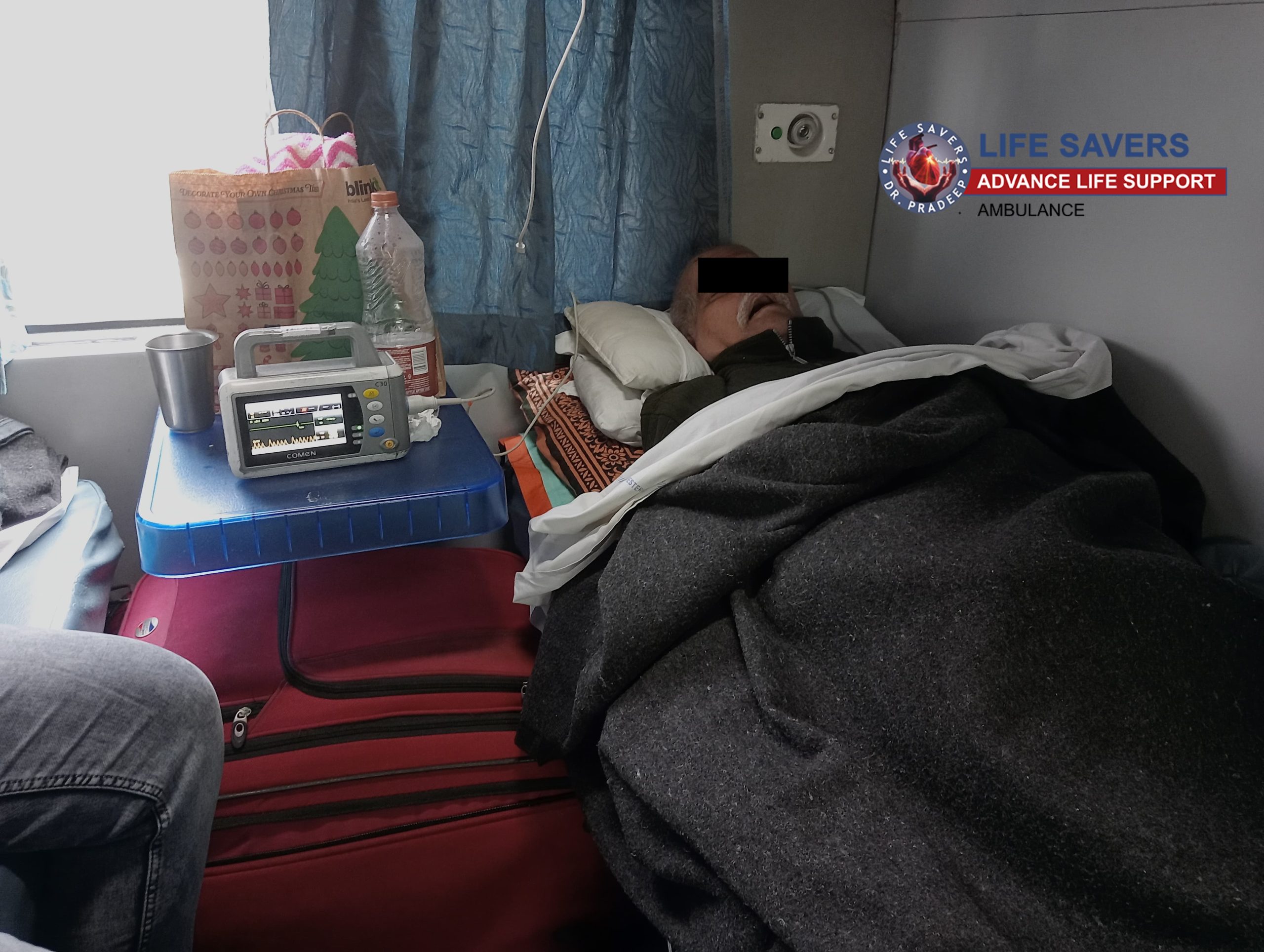
Life Savers transforms a reserved IRCTC railway coupe into a specialised mobile ICU equipped with ventilator support, cardiac monitoring systems, oxygen backup, infusion pumps, suction apparatus, emergency medications, and continuous medical supervision throughout the journey.
Our team manages complete bed-to-bed coordination including ICU ambulance pickup from the originating hospital, railway medical setup, onboard ICU care, and final transfer to the destination hospital.
Why Train Ambulance Is Preferred from Rohtak
Long-distance road transport can be physically exhausting for critically ill patients, especially elderly individuals, ventilator-supported cases, neurological patients, and neonatal transfers. Train ambulance provides a smoother, more stable environment with uninterrupted ICU monitoring over extended distances.
Key Benefits of Train Ambulance Service in Rohtak
- Lower cost compared to charter air ambulance
- Continuous monitoring by trained critical care staff
- Comfortable transfer for long-distance journeys
- Direct IRCTC train access to metro cities across India
- Safer option for oxygen and ventilator-supported patients
- Space for family attendants during travel
- Reduced physical stress compared to prolonged road travel
- Suitable for neonatal and paediatric critical care transport
Rohtak railway connectivity allows patient transfers to:
• Delhi NCR
• Mumbai
• Ahmedabad
• Chennai
• Hyderabad
• Bangalore
• Jaipur
• Kolkata
• Lucknow
• Patna
• Pune
How Train Ambulance Service in Rohtak Works
Step 1: Medical Evaluation
Our emergency coordination team reviews:
• Diagnosis
• Current vitals
• Ventilator or oxygen requirement
• Destination hospital
• Recent reports and scans
Doctors determine the safest mode of transfer.
Step 2: IRCTC Coupe Reservation
A dedicated IRCTC railway coupe is arranged based on:
• Medical urgency
• Train availability
• Route suitability
• Journey duration
Step 3: Mobile ICU Preparation
The reserved compartment is converted into an ICU setup before boarding with all required equipment and medications.
Step 4: ICU Ambulance Pickup
Our ICU road ambulance collects the patient from the hospital in Rohtak and transfers them safely to the railway station.
Step 5: Boarding at Rohtak Junction
At Rohtak Junction:
• Stretcher and wheelchair movement is coordinated
• Equipment is secured
• Oxygen and monitoring systems are activated before departure
Step 6: Continuous ICU Care During Travel
Throughout the journey, the onboard medical team continuously monitors:
• Blood pressure
• Oxygen saturation
• Heart rate
• Respiratory condition
• Ventilator parameters
• Neurological status
Step 7: Destination Hospital Transfer
After arrival:
• Receiving ICU ambulance is kept ready
• Hospital ICU/NICU/PICU is pre-informed
• Direct admission and handover are coordinated
Hospitals in Rohtak from Where We Commonly Transfer Patients
Life Savers regularly shifts patients from:
• PGIMS Rohtak
• Delhi Hospital and Nursing Home
• Aarogya Hospital Rohtak
• Nandal Hospital
• Mansarover Hospital
• Shri Sai Hospital
Patients are frequently referred to superspeciality hospitals in Delhi NCR and other metro cities for advanced neuro, cardiac, oncology, transplant, neonatal, and trauma care.
ICU Setup Available Inside the Train Ambulance
Our train ambulance operates as a fully functional critical care unit on rails.
ICU Equipment Includes
• Advanced transport ventilator
• Multi-parameter cardiac monitor
• Infusion and syringe pumps
• Defibrillator
• Portable suction apparatus
• Oxygen cylinders with backup support
• Emergency drug kit
• Air mattress and patient stabilisation support
Continuous Monitoring Includes
• ECG
• SpO₂
• NIBP
• Respiratory rate
• EtCO₂
• Temperature monitoring
Dedicated Medical Team Onboard
Each train ambulance transfer from Rohtak includes:
• Experienced intensivist doctor
• Critical care paramedic
• Neonatal or paediatric specialist when required
• Continuous coordination with the destination ICU team
The patient remains under uninterrupted medical observation from pickup till final hospital handover.
Which Patients Can Be Shifted by Train Ambulance?
Critical Adult Cases
• Ventilator-supported patients
• Stroke and paralysis cases
• Head injury and neuro ICU patients
• Cardiac surgery recovery patients
• Tracheostomy patients
• Cancer and oncology patients
• Spine injury patients
• Oxygen-dependent elderly patients
• Long-term ICU patients requiring transfer
Neonatal and Paediatric Train Ambulance from Rohtak
Life Savers provides specialised neonatal and paediatric transport services with NICU-grade support.
Cases Commonly Shifted
• Premature newborns
• Respiratory Distress Syndrome (RDS)
• Neonatal sepsis
• Congenital birth defects
• Low birth weight babies
• Post-surgical neonatal patients
• Paediatric ICU cases
• Children requiring tertiary PICU care
Stretcher and Wheelchair Transfer Services
Apart from ICU cases, Life Savers also manages non-emergency medical travel.
Stretcher Transfers
Suitable for patients who cannot sit upright due to:
• Orthopaedic injury
• Post-operative condition
• Severe weakness
• Neurological disability
Included Services
• Full stretcher arrangement
• Oxygen support if required
• Medical escort team
• Bed-to-bed transfer coordination
Wheelchair Assistance Cases
Ideal for:
• Elderly passengers
• Mobility-restricted patients
• Post-surgery travellers
• Patients requiring assisted boarding
Services include:
• Railway station wheelchair support
• Boarding assistance
• Oxygen arrangement if required
• Medical escort during transfer
Which Patients Are Not Suitable for Train Ambulance?
Certain emergency conditions require immediate air evacuation rather than rail transfer.
Train Ambulance Is Usually Avoided For:
• Patients in active cardiac arrest
• Severe uncontrolled bleeding
• Critically unstable haemodynamics
• Emergency surgical cases requiring immediate intervention
• Rapidly deteriorating trauma patients
• Severe infectious airborne isolation cases
• Neonates requiring ultra-rapid tertiary transfer
Such cases may require charter air ambulance or emergency flight evacuation.
Air Ambulance and Commercial Flight Transfer from Rohtak
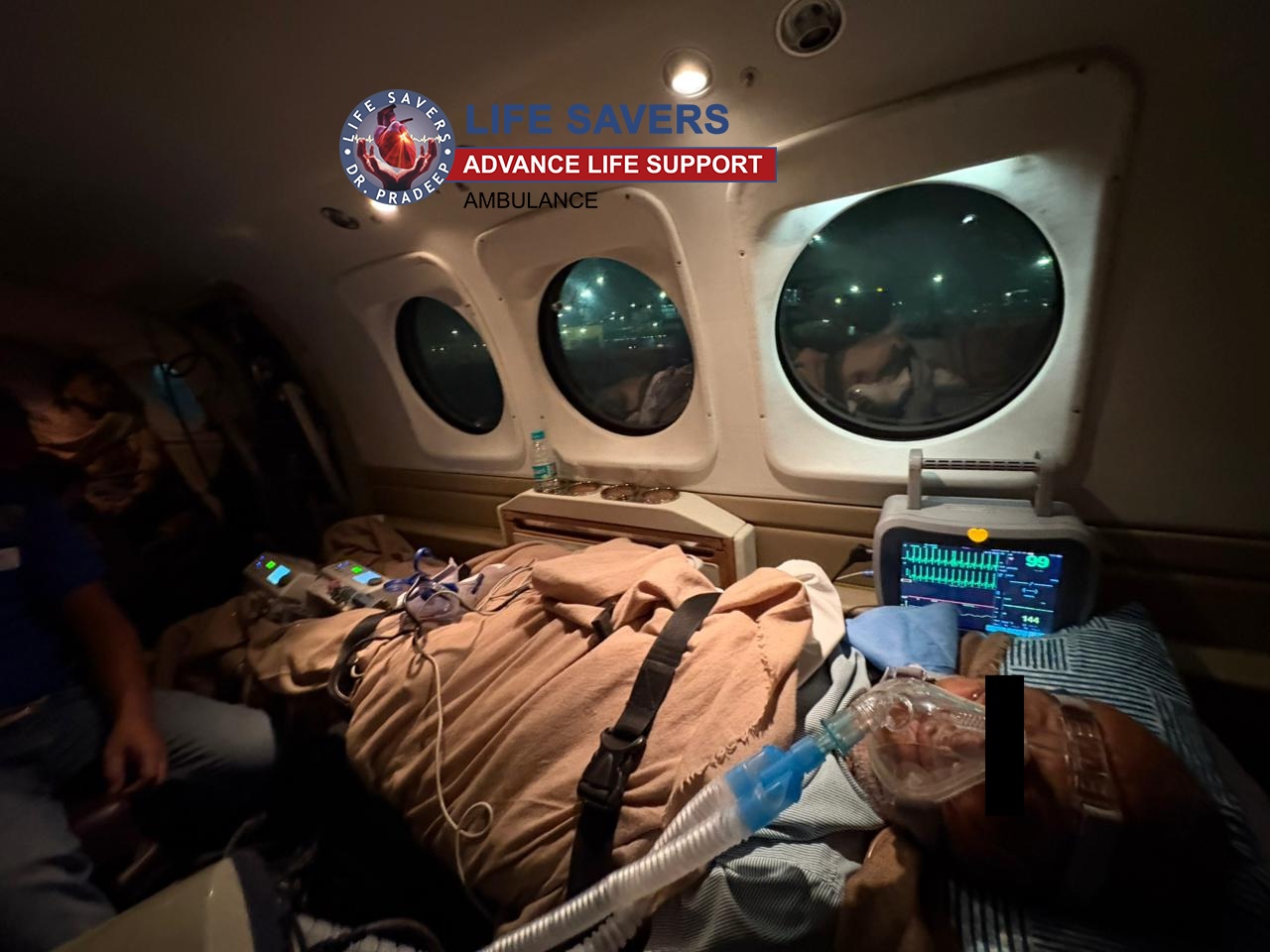
Life Savers also provides emergency air ambulance and commercial medical flight transfers through nearby Delhi NCR airports.
Charter Air Ambulance
Dedicated aircraft equipped as a flying ICU for:
• Highly unstable patients
• Emergency evacuations
• International transfers
• Ventilator-dependent critical cases
Commercial Airline Stretcher Transfer
Commercial flight medical transfer is available for:
• Stable stretcher patients
• Wheelchair passengers
• Elderly travellers
• Non-emergency medical transport
Services Include
• Airline stretcher approval
• Doctor or paramedic escort
• Oxygen arrangement onboard
• Airport wheelchair support
• Priority boarding coordination
• Bed-to-bed transfer management
Major Destination Hospitals
Delhi NCR
• AIIMS Delhi
• Apollo Hospitals
• Sir Ganga Ram Hospital
• Fortis Hospital
• Medanta - The Medicity
Other Metro Cities
• Mumbai
• Chennai
• Bangalore
• Hyderabad
• Kolkata
• Ahmedabad
• Pune
International patient transfers are available to Singapore, Thailand, UAE, and the UK.

Dr. Pradeep Gupta
Critical Care And Transportation Specialist
Current Handling Critical Care Ambulance services around the world, Founder And Chief Mentor at Life Savers, Start up in Train Ambulance on Ease of availability and Financial savvy.
Past Worked as Intensivist In Sir Ganga Ram Hospital(Delhi) for Many Years
Qualification MBBS, Diploma in Critical Care