Behrampur – Navi Mumbai | ICU Train Ambulance Transfer
Long-distance transport of elderly patients with complex chronic conditions requires careful planning, physical handling expertise, and a medically supervised environment. Life Savers Ambulance Services recently managed a rail ambulance transfer for a high-dependency patient requiring stable, dignified, and continuous care over a long journey.
Case Overview
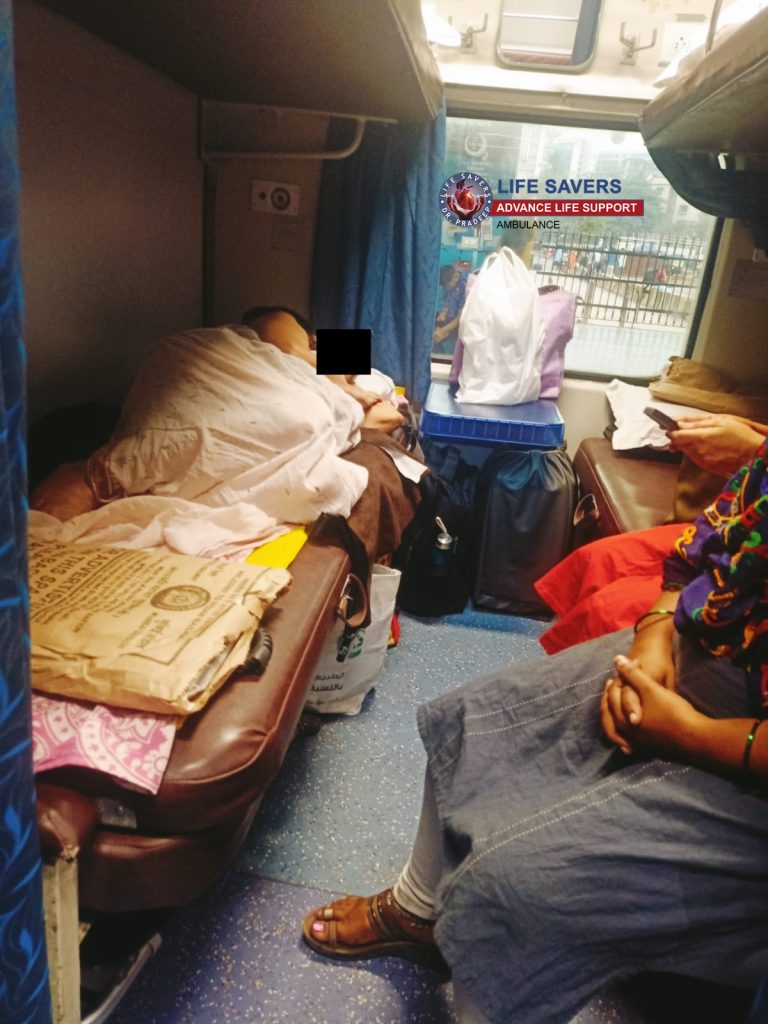
A 75-year-old male patient was transferred from Behrampur, Odisha to Mumbai using an ICU Train Ambulancearranged by Life Savers Ambulance Services. The transfer was planned as a bed-to-bed rail ambulance transport, ensuring continuity of care from the referring facility to the receiving hospital.
Patient Condition
The patient was diagnosed with Elephantiasis (Lymphatic Filariasis), a chronic parasitic disease that leads to severe swelling, skin thickening, and permanent enlargement of limbs due to lymphatic system damage.
In this case:
- The disease had progressed over years, causing marked lower limb swelling and fibrosis.
- The patient weighed approximately 100 kg, making mobility and handling extremely challenging.
- Prolonged immobility increased the risk of pressure injuries, infections, and circulatory compromise.
- Advanced age further added to transport-related risks such as fatigue, pain, and hemodynamic instability.
- While not ventilator-dependent, the patient required careful positioning, assisted movement, and close monitoring throughout the journey.
Transport Decision
A Train Ambulance Service was chosen over road or air transport due to:
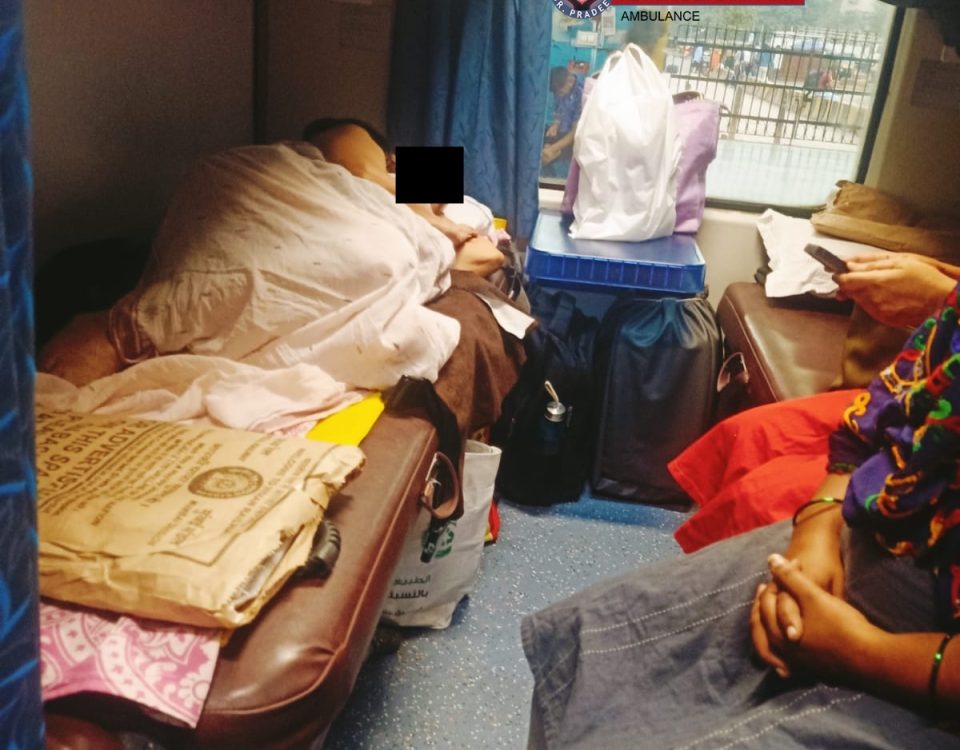
- Better space and stability for managing a high-weight, mobility-restricted patient
- Reduced physical strain compared to prolonged road travel
- Ability to ensure safe positioning and pressure relief over a long distance
- Cost-effective and clinically suitable option for extended intercity transfer
Life Savers ensured complete bed-to-bed train ambulance coordination, including ground ambulance support at both ends.
Medical Setup and Support
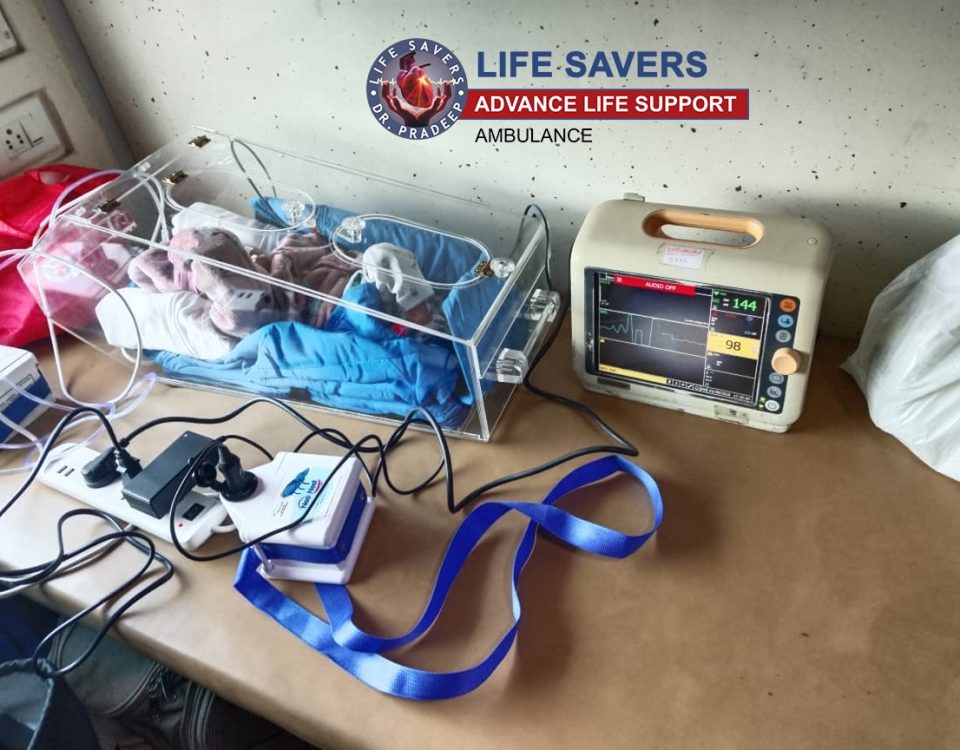
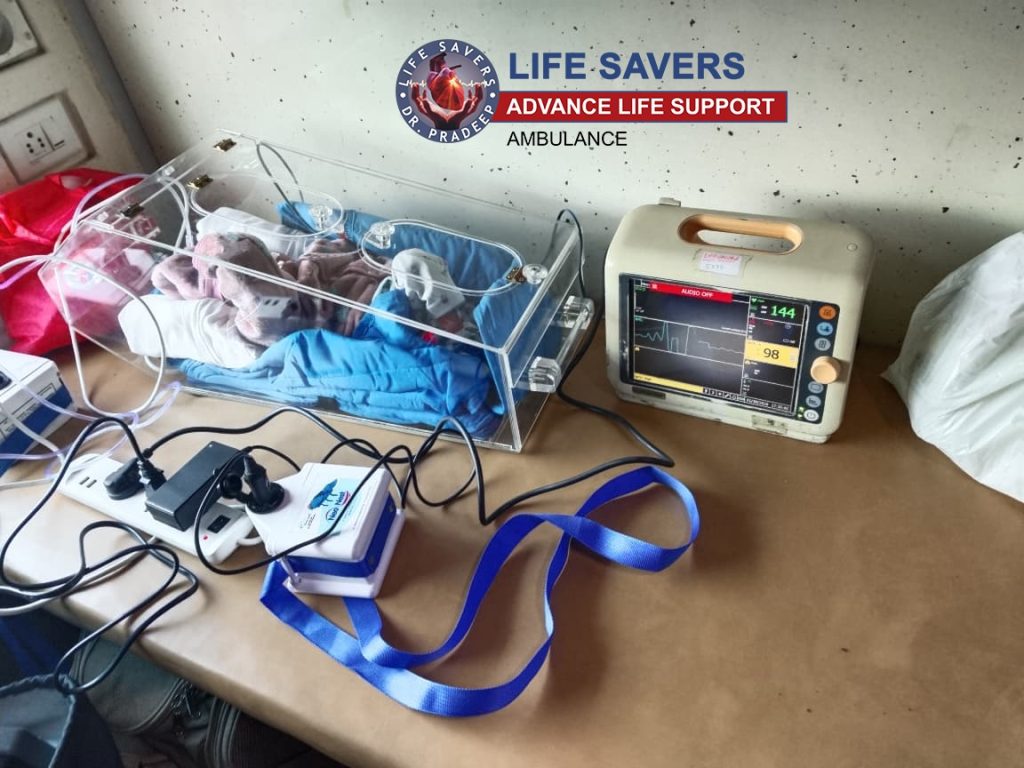
The rail ambulance was equipped with:
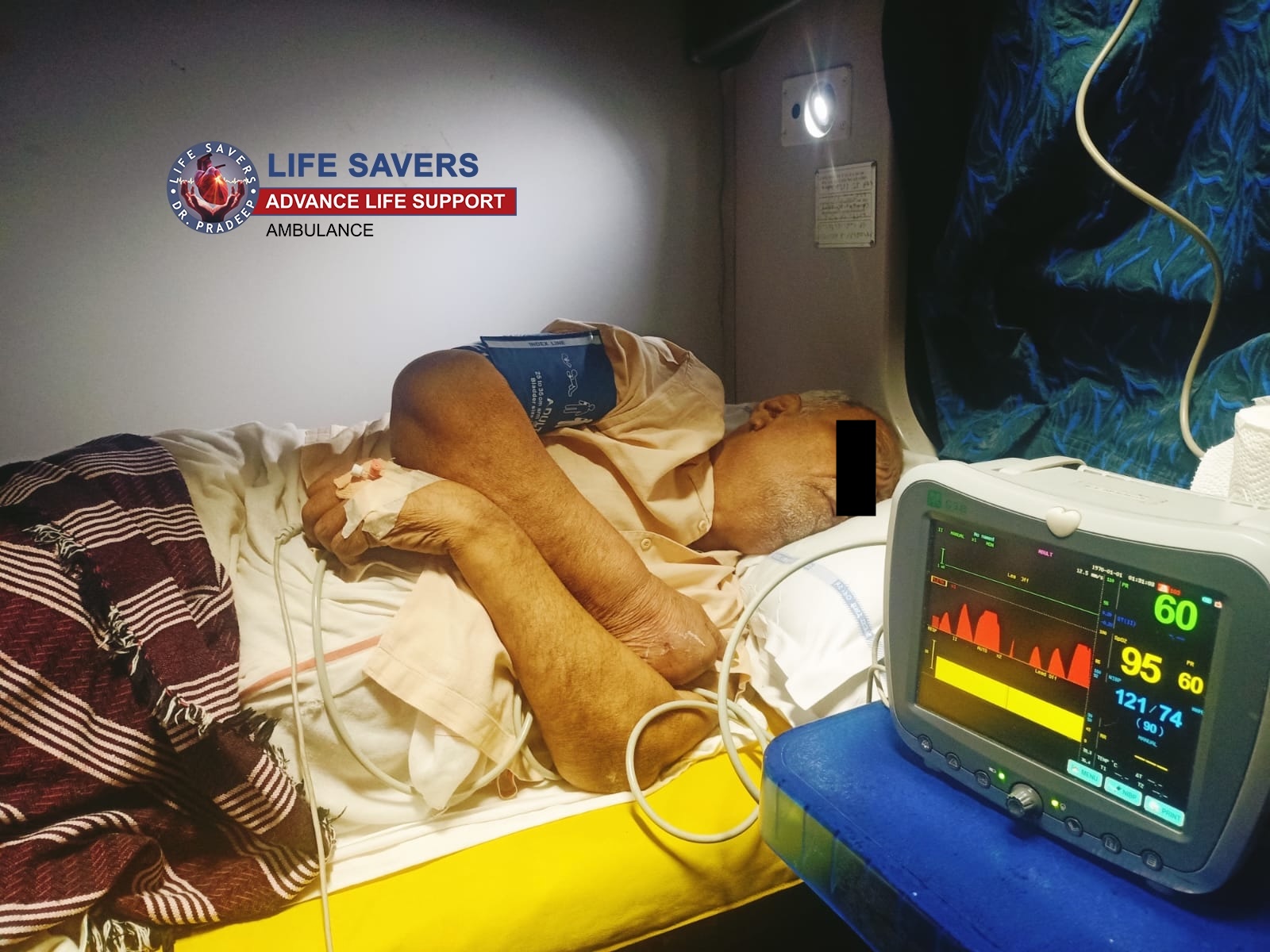
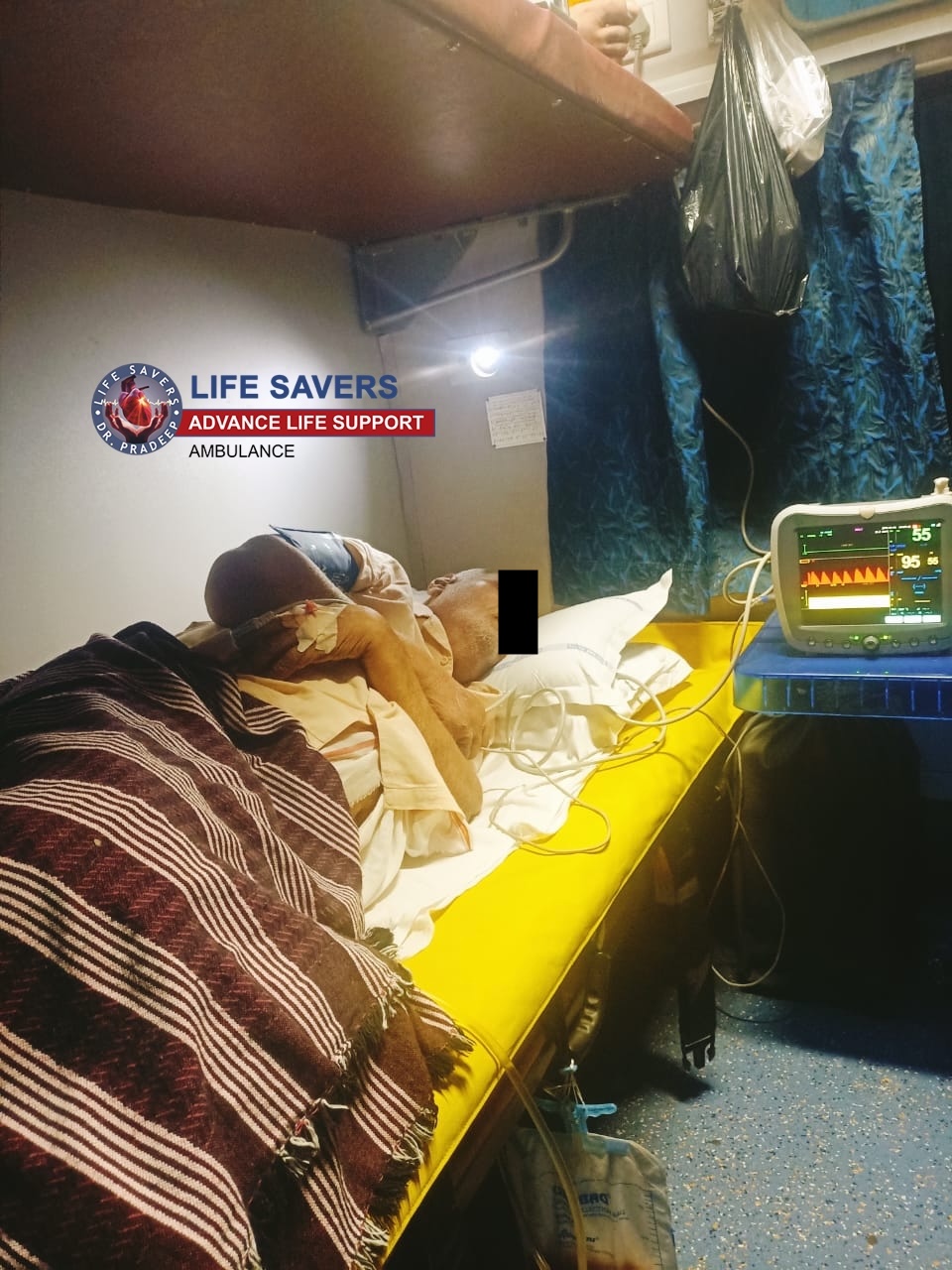
- Medical stretcher with pressure redistribution support
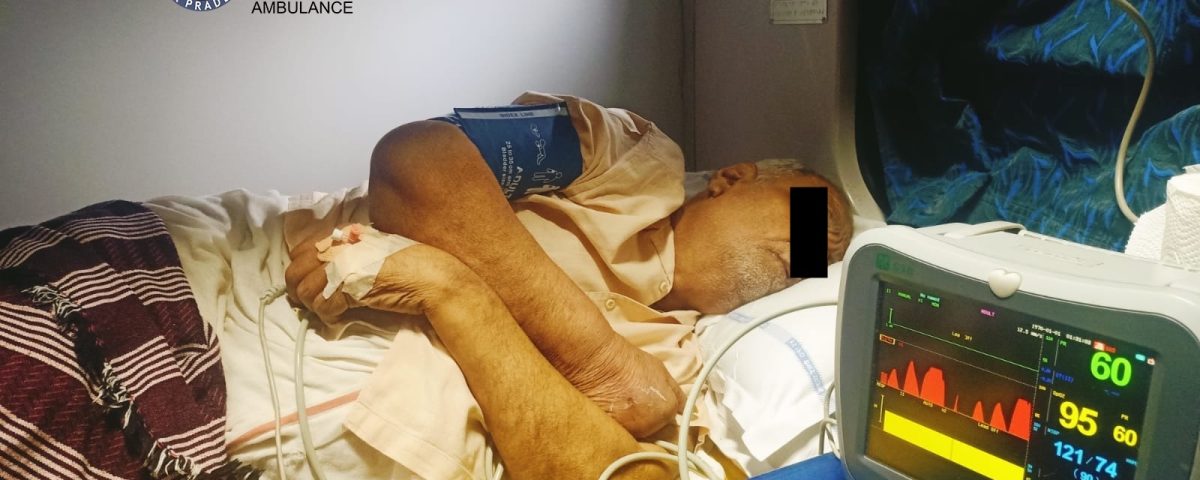
- Continuous vital sign monitoring
- Oxygen support on standby
- Emergency medications and basic life support equipment
An ICU-trained paramedic accompanied the patient throughout the journey, focusing on:
- Positioning and limb support to prevent pain and skin breakdown
- Monitoring for respiratory or circulatory distress
- Assisting with transfers and patient comfort
- Managing hygiene and basic nursing care during transit
Care During Transit
During the journey from Behrampur to Mumbai:
- The patient remained hemodynamically stable
- Regular checks were performed to prevent pressure-related complications
- Limb positioning was adjusted to minimize discomfort and edema-related strain
- The patient was kept calm, comfortable, and informed throughout the transfer
The stable environment of the train allowed unhurried, attentive care without sudden movements or vibration-related discomfort.
Arrival and Handover
On arrival in Mumbai, the patient was safely transferred to a waiting ground ambulance and handed over to the receiving medical team with a detailed clinical briefing. The handover included information on mobility limitations, limb condition, skin care needs, and ongoing medical concerns.
Clinical Perspective
This case highlights the value of Rail Ambulance Service in India for elderly patients with chronic, mobility-limiting conditions such as elephantiasis. With proper planning, trained personnel, and a controlled environment, long-distance transport can be conducted safely while preserving patient dignity. Life Savers Ambulance Services continues to provide structured, compassionate, and clinically appropriate transport solutions for complex cases where stability, respect, and continuity of care matter most.